A dog UTI (urinary tract infection) is more common than many pet owners realize—and it can quickly become painful or serious if ignored. Recognizing early UTI symptoms can help you get timely treatment and prevent complications. In this guide, we’ll break down the top warning signs of a dog urinary tract infection, what causes it, and when to seek diagnostic care for your pet.
What Is a Dog UTI and Why Does It Matter
A dog urinary tract infection occurs when bacteria enter the urinary system—usually through the urethra—and begin to multiply in the bladder. This often leads to a dog bladder infection, causing discomfort and changes in urination habits.
UTIs can affect dogs of any age or breed, but they’re more common in:
- Female dogs
- Senior pets
- Dogs with weakened immune systems
- Dogs with underlying health issues like diabetes
If left untreated, a simple infection can spread to the kidneys or become chronic. That’s why early detection and proper diagnostic care are critical.
7 Warning Signs Your Dog Has a UTI
1. Frequent Urination
One of the earliest signs of a dog UTI is increased frequency of urination.
You might notice:
- Your dog is asking to go outside more often
- Short, frequent bathroom trips
- Urinating in small amounts each time
This happens because the bladder becomes irritated and inflamed.
2. Straining or Difficulty Urinating
If your dog seems to struggle while urinating, it’s a red flag.
Watch for:
- Whining or discomfort while peeing
- Taking longer than usual to urinate
- Producing very little urine
This symptom is commonly linked to a dog bladder infection and should not be ignored.
3. Blood in the Urine
Seeing blood in your dog’s urine can be alarming, and it’s a serious UTI symptom.
Urine may appear:
- Pink
- Red
- Cloudy with streaks
Blood indicates inflammation or irritation in the urinary tract and requires immediate diagnostic care.
4. Strong or Unusual Urine Odor
A noticeable change in the smell of your dog’s urine is another warning sign.
Infected urine often smells:
- Strong
- Foul
- Unusually pungent
This is caused by bacterial buildup in the urinary tract.
5. Accidents Inside the House
If your well-trained dog suddenly starts having accidents indoors, don’t assume it’s behavioral.
It may indicate:
- Loss of bladder control
- Urgency caused by infection
A dog urinary tract infection can make it difficult for your dog to hold urine, even if they’re normally well-trained.
6. Excessive Licking of Genital Area
Dogs often try to soothe discomfort by licking.
Frequent licking of the genital area may mean:
- Irritation
- Pain or burning sensation
- Infection
This is a subtle but important UTI symptom many pet owners overlook.
7. Lethargy or Behavioral Changes
As the infection progresses, your dog may start acting differently.
Common changes include:
- Low energy
- Reduced appetite
- Irritability
In severe cases, especially if the infection spreads, your dog may appear sick overall.
What Causes Dog Urinary Tract Infections?
Understanding the root cause helps prevent future infections.
Common causes of dog UTI include:
- Bacterial infections (most common)
- Poor hygiene
- Bladder stones
- Diabetes or hormonal imbalances
- Holding urine for long periods
- Weakened immune system
In coastal communities, where outdoor activity is common, dogs may be exposed to bacteria from water or soil making routine hygiene even more important.
How Vets Diagnose a Dog UTI
Accurate diagnosis is key to proper treatment.
Veterinarians typically use:
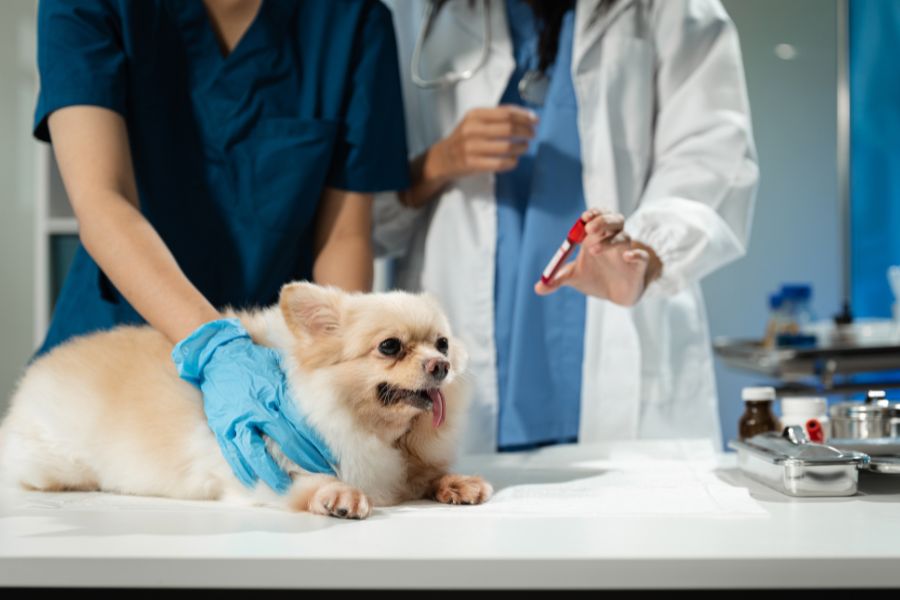
- Urinalysis to detect bacteria, blood, or crystals
- Urine culture to identify specific bacteria
- Blood tests if complications are suspected
- Imaging (X-rays or ultrasound) to check for stones or structural issues
Early diagnostic care ensures your dog gets the right treatment quickly and avoids complications.
Treatment Options for Dog UTIs
Most dog urinary tract infections are treatable, especially when caught early.
Common treatments include:
- Antibiotics (prescribed by a vet)
- Increased water intake
- Dietary changes
- Pain relief medications
In more serious cases:
- Treatment for underlying conditions
- Surgery for bladder stones
- Long-term management for chronic UTIs
Always complete the full course of medication—even if symptoms improve early.
How to Prevent Dog UTIs
Prevention is always better than treatment. Here’s how to reduce the risk of a dog bladder infection:
Daily Care Tips
- Provide fresh, clean water at all times
- Take your dog out for regular bathroom breaks
- Maintain proper hygiene, especially for female dogs
- Keep your dog’s living area clean
Diet & Health
- Feed a balanced, high-quality diet
- Monitor for recurring symptoms
- Schedule routine vet checkups
Local Tip for Patchogue Pet Owners
With the humid coastal climate, bacteria can thrive more easily. Regular grooming and keeping your dog dry after outdoor activities can significantly reduce infection risk.
When to See a Vet
You should seek veterinary care immediately if your dog shows:
- Blood in urine
- Pain while urinating
- Frequent accidents
- Lethargy or loss of appetite
Even mild symptoms shouldn’t be ignored. Early veterinary diagnostic care can prevent serious complications and ensure a quick recovery.
Conclusion
A dog UTI may seem like a minor issue at first, but it can quickly escalate if left untreated. Recognizing the early warning signs—like frequent urination, accidents, or unusual urine can make all the difference in your dog’s health.
If you notice any of these symptoms, don’t wait. The vet team at Paumanok Veterinary Hospital in Patchogue is here to provide expert care and accurate diagnosis to keep your dog healthy and comfortable. Book an appointment today and give your pet the care they deserve.
FAQs
Q1: How do I know if my dog has a urinary tract infection?
Ans: Common signs include frequent urination, straining, blood in urine, strong odor, and accidents indoors. A vet test is needed to confirm a dog’s UTI.
Q2: Can a dog’s UTI go away on its own?
Ans: Most dog urinary tract infections require antibiotics. Without treatment, the infection can worsen or spread to the kidneys, causing serious health issues.
Q3: How long does it take for a dog’s UTI to heal?
Ans: With proper treatment, most UTIs improve within 7–14 days. Always complete the full course of medication to prevent recurrence.
Q4: What causes frequent UTIs in dogs?
Ans: Recurring infections may be due to bladder stones, diabetes, weak immunity, or improper hygiene. Diagnostic care helps identify the underlying cause.
Q5: Can I prevent my dog from getting a UTI?
Ans: Yes, provide clean water, regular bathroom breaks, proper hygiene, and routine vet checkups to reduce the risk of dog bladder infections.