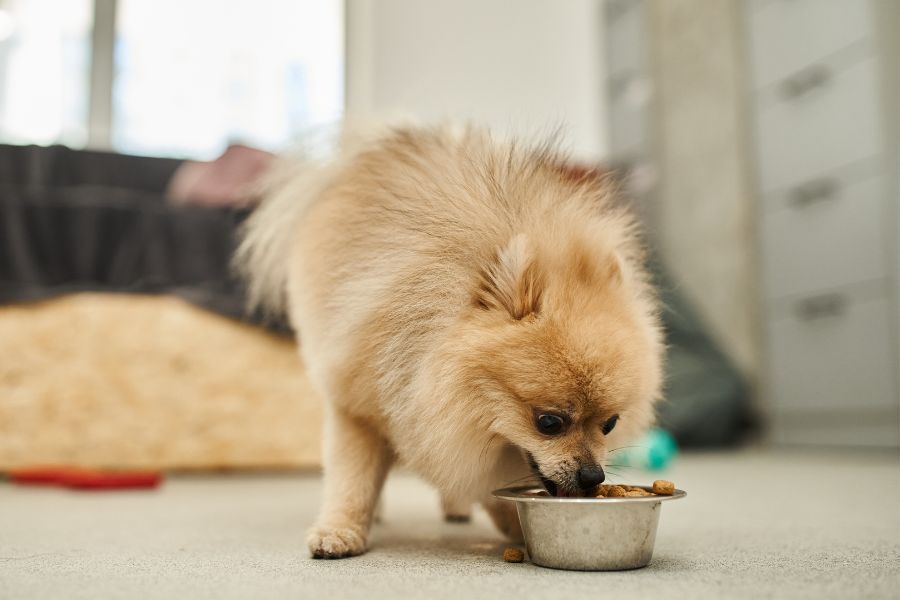
Choosing the right puppy food is one of the most important decisions you’ll make as a new pet parent. The right puppy nutrition supports healthy growth, strong bones, and a robust immune system during your puppy’s early months. In this guide, we’ll explore the top 5 vet-approved puppy foods, what makes them stand out nutritionally, and how to choose the best option for your furry friend.
Why Choosing the Right Puppy Food Matters
Puppies grow rapidly, especially during their first year. This means their nutritional needs are very different from those of adult dogs. Feeding low-quality or unbalanced food can lead to:
- Weak bones and joints
- Poor digestion
- Slow growth
- Long-term health issues
A high-quality vet-approved puppy food ensures proper puppy nutrition and gives your puppy:
- Balanced protein for muscle development
- Calcium and phosphorus for bone health
- DHA for brain and vision development
- Essential vitamins for immunity
For pet parents, where seasonal weather changes can impact activity levels, consistent nutrition becomes even more critical.
What to Look for in the Best Puppy Food
Before diving into the top picks, here’s what veterinarians recommend checking on the label:
1. High-Quality Protein
Look for real meat like chicken, turkey, lamb, or fish as the first ingredient.
2. AAFCO Certification
Ensure the food meets standards for growth and development.
3. DHA and Omega Fatty Acids
These support brain development and promote healthy skin and coat.
4. No Artificial Additives
Avoid artificial colors, flavors, and preservatives.
5. Breed-Specific Nutrition
Large and small breeds require different calorie levels and mineral balances.
Top 5 Vet-Approved Puppy Food Types
Instead of focusing on brand names, veterinarians often recommend choosing food based on nutritional quality and formulation. Here are five excellent puppy food categories to consider:
1. High-Protein Chicken-Based Puppy Food
Best for: Overall growth and muscle development
Chicken-based formulas are widely recommended due to their digestibility and protein content.
Key Benefits:
- Supports lean muscle growth
- Easily digestible for most puppies
- Rich in essential amino acids
Why it stands out:
A reliable option for meeting basic puppy nutrition needs.
2. Fish-Based Puppy Food with DHA
Best for: Brain and vision development
Fish-based diets naturally contain DHA and omega-3 fatty acids.
Key Benefits:
- Enhances cognitive development
- Supports eye health
- Promotes a shiny coat
Why it stands out:
Ideal for young puppies in their early learning stages.
3. Grain-Inclusive Balanced Puppy Food
Best for: Sustained energy and digestion
Contrary to trends, grains like brown rice and oats provide valuable nutrients.
Key Benefits:
- Provides steady energy levels
- Supports digestive health
- Rich in fiber and vitamins
Why it stands out:
A well-balanced diet for active puppies who enjoy outdoor play.
4. Limited Ingredient Puppy Food
Best for: Puppies with sensitive stomachs
These formulas contain fewer ingredients to reduce the risk of allergies.
Key Benefits:
- Minimizes food sensitivities
- Easier digestion
- Simple, clean ingredient list
Why it stands out:
Great for puppies experiencing itching, upset stomach, or food intolerance.
5. Wet Puppy Food for Hydration
Best for: Picky eaters and hydration support
Wet food can be a good addition or alternative to dry kibble.
Key Benefits:
- High moisture content
- More palatable
- Easier to chew
Why it stands out:
Helpful for puppies who need encouragement to eat or stay hydrated.
Specialized Diets for Puppies with Health Needs
In some cases, puppies may require a more targeted nutritional approach. Veterinary-recommended therapeutic diets, such as Hill’s Prescription Diet, are specially formulated to support specific health conditions like digestive sensitivity, joint concerns, or weight management.
These diets are developed by veterinarians and backed by clinical research, helping ensure your puppy receives precise, condition-specific care when needed. Always consult your vet before starting any prescription-based nutrition plan.
Dry vs. Wet Puppy Food: Which Is Better?
Both dry and wet puppy food have their advantages.
Dry Food (Kibble)
- Convenient and cost-effective
- Supports dental health
- Easy to store
Wet Food
- Higher moisture content
- Better taste appeal
- Softer texture
Pro Tip:
Combining both can provide balanced nutrition and variety in your puppy’s diet.
How Much Should You Feed Your Puppy?
Feeding the right amount is just as important as choosing the right food.
General Feeding Guidelines:
- 8–12 weeks: 4 meals per day
- 3–6 months: 3 meals per day
- 6–12 months: 2 meals per day
Adjust portions based on:
- Breed size
- Activity level
- Weight changes
If unsure, consult a veterinarian for tailored advice.
Common Puppy Feeding Mistakes to Avoid
1. Overfeeding
Too much food can lead to obesity and joint issues.
2. Sudden Food Changes
Always transition gradually over 7–10 days.
3. Feeding Adult Dog Food
Puppies need higher nutrient levels for growth.
4. Too Many Treats
Keep treats below 10% of daily calorie intake.
When to Consult a Veterinarian
While choosing the right food is essential, professional guidance ensures optimal health. Contact a vet if:
- Your puppy refuses to eat
- You notice vomiting or diarrhea
- There are signs of allergies
- Growth seems abnormal
At Paumanok Veterinary Hospital, pet owners in Patchogue can receive personalized recommendations tailored to their puppy’s needs.
Conclusion
Selecting the best vet-approved puppy food sets the foundation for your dog’s lifelong health. From balanced nutrition to proper feeding habits, every choice matters in your puppy’s early development.
Focusing on proper puppy nutrition, high-quality ingredients, and expert guidance will ensure your puppy grows into a healthy, happy companion. If you’re unsure where to start, a professional consultation can make all the difference.
For expert veterinary guidance and personalized care for your puppy, schedule a visit to Paumanok Veterinary Hospital today and give your puppy the strong, happy start they deserve.
FAQs
Q1: What is the best puppy food recommended by vets?
Ans: Most veterinarians recommend brands like Hill’s Science Diet, Royal Canin, and Purina Pro Plan due to their balanced nutrition and scientific formulation for growing puppies.
Q2: How do I know if my puppy food is high-quality?
Ans: Check for real meat as the first ingredient, AAFCO certification, and absence of artificial additives to ensure high-quality puppy food.
Q3: Can I mix wet and dry puppy food?
Ans: Yes, mixing wet and dry puppy food can improve taste and hydration while still providing balanced nutrition for your puppy.
Q4: When should I switch from puppy food to adult dog food?
Ans: Most puppies transition to adult food between 10–12 months, but large breeds may require puppy food for a longer period.
Q5: What are the signs that my puppy’s food isn’t suitable?
Ans: Common signs include digestive issues, dull coat, low energy, or allergies like itching and ear infections.