Bringing a new cat into your home is an exciting experience, full of purrs, playful antics, and affectionate cuddles. If you have a female feline, one of the most significant decisions you’ll make for her health and well-being is whether to have her spayed. This common surgical procedure, known as an ovariohysterectomy, involves the removal of a cat’s ovaries and uterus, effectively preventing pregnancy and eliminating heat cycles. But as a responsible pet parent, you might wonder: Will spaying change my beloved cat’s personality or behavior?
It’s a valid concern, and one surrounded by common misconceptions. Let’s delve into the actual changes you can expect after a female cat is spayed, separating fact from fiction.
The Most Noticeable Changes: Saying Goodbye to Heat Cycles
The most profound and immediate changes you’ll observe in a female cat after spaying relate directly to the elimination of her heat cycles. Unspayed female cats, or “queens,” can go into heat multiple times a year, often lasting for several days to a week. During this period, their bodies are signaling their readiness to mate, leading to a range of behaviors that can be challenging for pet owners.
Here’s what typically disappears:
- Excessive Vocalization: The loud, persistent yowling, howling, and caterwauling that many owners find incredibly disruptive, especially at night, will cease. This vocalization is a cat’s way of calling out to potential mates.
- Restlessness and Agitation: A cat in heat often becomes restless, pacing, rolling on the floor excessively, and seeking constant attention. This anxious energy is tied to their hormonal urges.
- Affectionate or “Rubbing” Behavior: While often perceived as cute, the exaggerated rubbing against furniture, walls, and even your legs is a way for her to spread her scent and attract males. This behavior will significantly diminish.
- Urine Marking/Spraying: Some female cats, especially when in heat, may start to spray urine to mark their territory and signal their availability. Spaying greatly reduces or eliminates this undesirable behavior.
- Attracting Male Cats: Without the hormonal cues, unneutered male cats will no longer be drawn to your home, reducing the likelihood of fights, territorial spraying, and unwanted litters outside.
By removing the ovaries, the primary source of these fluctuating hormones is gone, leading to a much more relaxed and consistent demeanor. This change isn’t a personality shift but rather the absence of hormonally driven stress and instinctive urges.
Behavioral Shifts: Calmer and More Focused
Beyond the heat cycle, spaying often results in subtle yet positive behavioral shifts. Many owners report that their spayed female cats become:
- Calmer and More Content: Without the constant drive to reproduce, spayed cats tend to be more settled and less prone to agitation or restlessness.
- More Affectionate (or Consistently So): While a cat’s core personality remains intact, many spayed cats become more consistently affectionate or even more cuddly, as they are no longer distracted by reproductive urges. Their focus can shift more towards their human companions.
- Less Prone to Roaming: The strong instinct to roam far from home in search of a mate diminishes significantly, making spayed cats, particularly indoor-outdoor cats, less likely to get lost, injured in traffic, or involved in fights with other animals.
- Reduced Aggression (in some cases): Hormonal fluctuations can sometimes contribute to irritability or aggression, especially if a female is competing for attention or defending perceived territory. Spaying can lead to a reduction in such behaviors.
It’s important to understand that spaying doesn’t create a new personality; rather, it allows your cat’s inherent personality to shine through without the overlay of reproductive hormones. If your cat was playful and loving before, she’ll likely remain so, perhaps even more consistently.
Physical Changes and Health Benefits
While behavioral changes are often the most noticeable, spaying also brings significant physical changes and health benefits:
- Elimination of Pregnancy Risk: This is the most obvious benefit, preventing unwanted litters and contributing to reducing pet overpopulation.
- Reduced Risk of Cancers: Spaying drastically reduces the risk of mammary (breast) cancer, especially if done before the first heat cycle. It also completely eliminates the risk of ovarian and uterine cancers.
- Prevention of Pyometra: Pyometra is a serious, life-threatening uterine infection that is common in unspayed older female cats. Spaying entirely removes this risk.
- Weight Management (with attention): Spayed cats may have a slightly decreased metabolism and reduced roaming activity, which can predispose them to weight gain. However, this is easily managed through proper diet and regular exercise, not an inherent flaw of the surgery itself.
Recovery and What to Expect Immediately After Surgery
Immediately after surgery, your cat will be groggy from anesthesia. She might be sleepy, disoriented, or less interested in food for the first 12-24 hours. This is normal. Your veterinarian will provide pain medication and clear post-operative instructions, which typically include:
- Restricting activity (no jumping or strenuous play) for 10-14 days.
- Monitor the incision site for swelling, discharge, or redness.
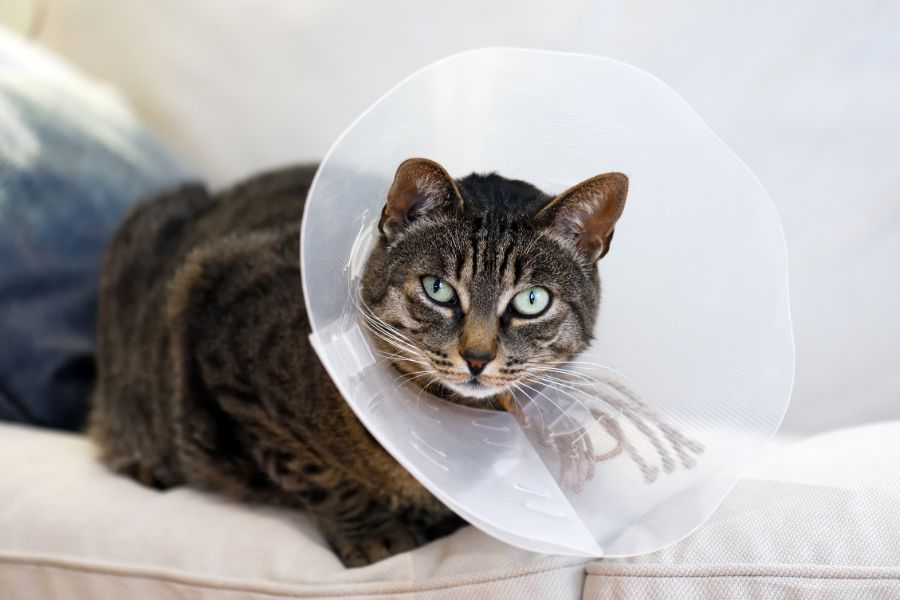
- Using an Elizabethan collar (E-collar) if your cat tries to lick her incision.
Most cats recover remarkably well within a few days, and their normal energy levels return quickly. Any short-term behavioral changes, like lethargy or mild irritability, are usually related to the discomfort of surgery and anesthesia, and they resolve as she heals.
The Verdict: Overwhelmingly Positive Changes
In conclusion, the answer to “Do female cats change after being spayed?” is yes, but primarily in ways that benefit both the cat and the owner. The vast majority of changes are the elimination of challenging heat-related behaviors and significant health advantages. Your cat’s core personality — her unique blend of playfulness, curiosity, and affection — will almost certainly remain, often becoming even more consistent and enjoyable without the influence of reproductive hormones.
Spaying is a responsible decision that contributes to a healthier, happier, and longer life for your feline companion, while also playing a vital role in controlling pet overpopulation. If you have concerns, always consult your veterinarian; they can provide personalized advice based on your cat’s specific health and temperament.