When your pet is in pain or recovering from an injury, finding safe and effective treatments becomes your top priority. Among modern veterinary innovations, cold laser therapy is gaining attention for its ability to promote healing and relieve pain, without the use of medication or invasive procedures.
But is it the right option for your furry friend? Let’s explore what every pet owner should know about this revolutionary treatment.
What Is Cold Laser Therapy?
Cold laser therapy, also known as low-level laser therapy (LLLT), uses specific wavelengths of light to stimulate tissue repair, reduce inflammation, and enhance cell function. The term “cold” means it doesn’t generate heat, making it a gentle, non-invasive therapy for pets.
Veterinarians use it to treat a variety of conditions—from chronic arthritis to post-surgical recovery, making it a versatile tool in modern pet care.
How Does Cold Laser Therapy Work?
Think of it as light-driven healing. The laser emits low-intensity light that penetrates deep into tissues. This light works its magic on cells, enhancing mitochondrial function and boosting ATP production, which is basically the energy currency of the cell.
As a result, your pet’s body naturally accelerates the healing process, reducing swelling, easing pain, and improving mobility.
Conditions Cold Laser Therapy Can Help With
Cold laser therapy is commonly used in veterinary medicine to treat:
- Arthritis and joint pain
- Hip dysplasia
- Muscle strains or ligament injuries
- Post-operative wounds and incisions
- Intervertebral disc disease (IVDD)
- Chronic inflammation
- Ear infections
- Dental inflammation and gingivitis
This therapy can be a game-changer, especially for senior pets or those unable to tolerate medication.
What Happens During a Session?
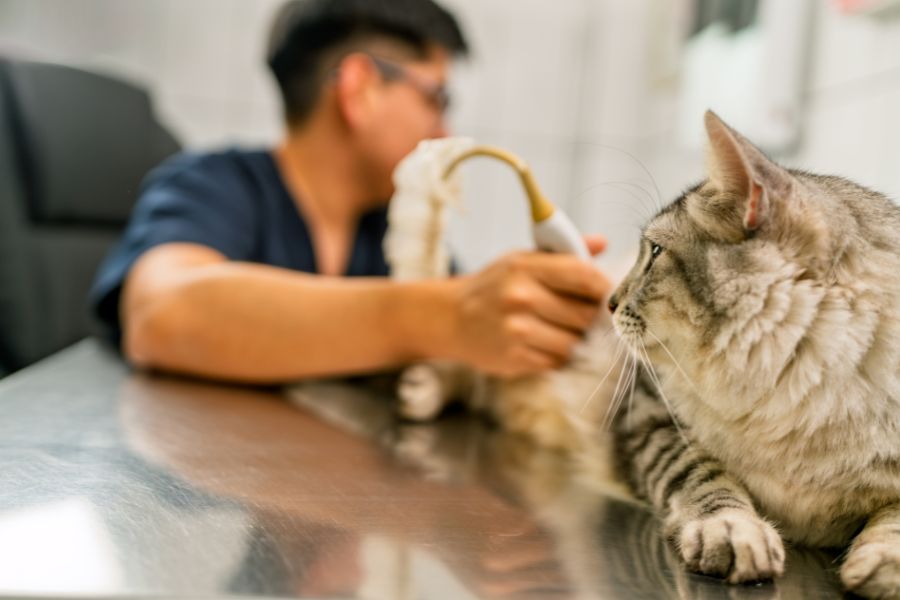
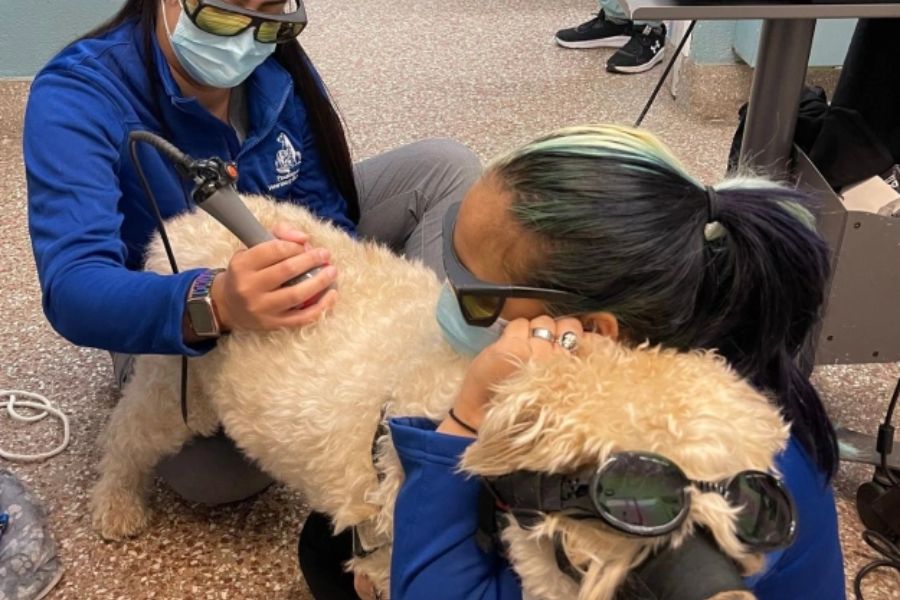
Most therapy sessions last between 5–20 minutes, depending on the condition being treated. Your pet will lie comfortably while the veterinarian gently moves the handheld laser over the targeted area.
There’s no pain, sedation, or recovery time required—just relaxation. Many pets even enjoy the experience, often dozing off during treatment!
Benefits You Can Expect
When used consistently, cold laser therapy offers several benefits:
- Reduced inflammation and pain
- Improved circulation
- Accelerated tissue repair and cell growth
- Better nerve function
- Shorter recovery time from injuries or surgery
- Enhanced mobility and quality of life
These advantages are particularly helpful for pets with chronic issues that require long-term management.
Is It Safe for All Pets?
Yes—cold laser therapy is safe for cats, dogs, and even exotic pets. However, there are a few exceptions. Pets with certain types of cancer or those who are pregnant may not be ideal candidates.
That’s why it’s essential to consult with your veterinarian. If you’re looking for laser therapy in Patchogue, NY, talk to a trusted vet who specializes in this treatment and can tailor a plan to your pet’s unique health needs.
How Many Sessions Are Needed?
The number of sessions varies depending on your pet’s condition. Acute injuries may require just a few visits, while chronic issues might need ongoing sessions over several weeks.
The good news? Many pet owners start noticing improvements after just a couple of treatments.
Cold Laser Therapy vs. Traditional Treatments
While medications and surgery are sometimes necessary, cold laser therapy provides a complementary or alternative option that minimizes side effects. It’s drug-free, pain-free, and non-invasive, making it an excellent option for pets with sensitivities or those recovering from surgery.
If your pet is dealing with chronic pain, recovering from surgery, or simply not responding well to traditional treatments, cold laser therapy might be the gentle yet effective solution you’re seeking.
Always consult with your veterinarian to determine if it’s the right fit. This therapy has helped countless pets regain comfort and mobility—yours could be next.
6 Frequently Asked Questions
1. Is cold laser therapy painful for pets?
A: No, it’s completely pain-free. Most pets feel a gentle warmth and even find the sessions relaxing.
2. How soon will I see results?
A: Some pets experience relief after the first session, while others may need multiple visits. Your vet will guide you based on your pet’s progress.
3. Can my pet take other medications while receiving laser therapy?
A: Yes, laser therapy can be used alongside medications and other treatments.
4. Is it covered by pet insurance?
A: Many pet insurance plans now include alternative therapies. Check with your provider to confirm coverage.
5. Are there any side effects?
A: Side effects are rare. Occasionally, a pet may feel slightly sore after their first session, similar to how humans feel after a massage.
6. Can cold laser therapy replace surgery?
A: It depends on the condition. While it can reduce the need for surgery in some cases, it’s best used as a complementary treatment under veterinary guidance.