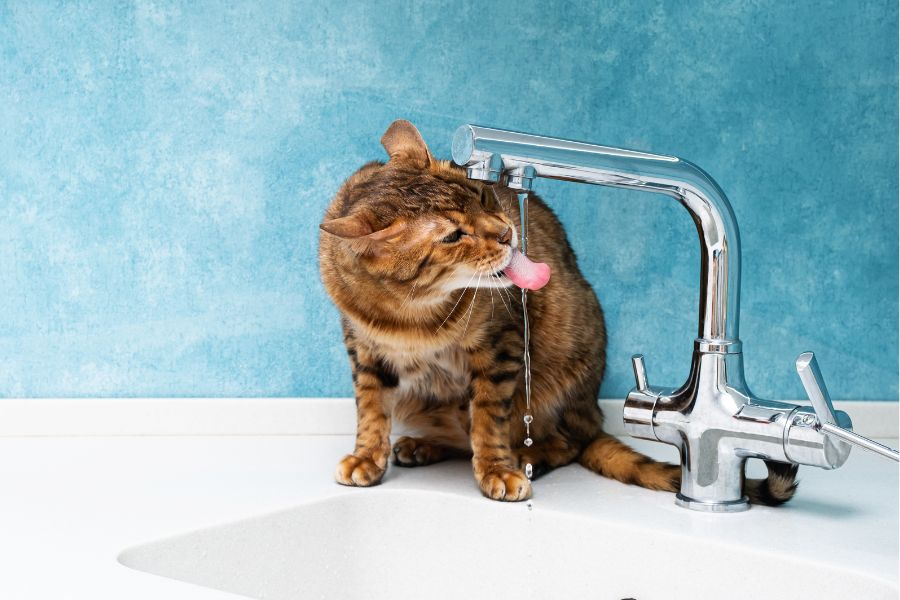
If your cat stopped eating suddenly, it’s more than just picky behavior it can be a sign of underlying health issues. Cats rely on consistent nutrition, and even 24–48 hours without food can become dangerous. This guide explains the most common reasons a cat won’t eat or drink, how to help at home, and when to contact your veterinarian. We’ll also cover early cat anorexia symptoms, practical remedies, and the most important warning signs to watch for. Whether your cat is refusing food, acting lethargic, or hiding more than usual, this article will help you take the right next steps to protect their health.
Why Your Cat May Stop Eating
Cats are creatures of habit, so a sudden change in appetite is usually a signal that something is wrong. Understanding the underlying causes behind a cat refusing food can help you respond quickly and appropriately.
Illness or Pain
Health-related issues are the most common reason a cat stops eating.
- Dental disease can make chewing painful.
- Kidney disease often leads to nausea and appetite loss.
- Pancreatitis, GI inflammation, or liver disease can suppress appetite.
- Respiratory infections may block a cat’s sense of smell, causing them to avoid food.
Cats instinctively hide pain, so appetite changes may be one of the first obvious clues that they’re unwell.
Stress or Anxiety
Environmental or emotional stress can trigger sudden anorexia in cats.
Common stressors include:
- A new pet or visitor in the home
- Changes in routine or feeding schedule
- Moving to a new house
- Outdoor noise, like construction or fireworks
Cats are sensitive animals, and disruptions—even subtle ones—can affect their appetite.
H3: Food-Related Issues
Sometimes the problem lies with the food, not the cat.
- A new diet they don’t like
- Spoiled or stale kibble
- The food bowl is dirty or in a noisy location
- A sudden change in brand or flavor
Cats may also refuse food if they associate it with a negative experience, such as vomiting after eating.
Digestive Upset
Hairballs, stomach irritation, or minor GI distress can temporarily reduce appetite. If your cat is vomiting, sluggish, or avoiding food, it might indicate an underlying GI problem.
When Loss of Appetite Becomes Dangerous
Cats can only go a short time without eating before serious complications develop. Unlike dogs, cats are highly prone to hepatic lipidosis, a life-threatening liver condition triggered when they stop eating.
Early Cat Anorexia Symptoms to Watch For
Look for these signs if your cat won’t eat or drink:
- Lethargy or hiding
- Weight loss
- Drooling or pawing at the mouth
- Vomiting or diarrhea
- Dehydration
- Bad breath
- Changes in vocalization
If your cat goes more than 24 hours without eating, veterinary guidance is recommended—even sooner for kittens or senior cats.
Home Remedies to Encourage Your Cat to Eat
While a veterinary exam is important for persistent anorexia, you can try a few safe, at-home strategies to encourage appetite.
Warm the Food or Add Aroma Boosters
Cats depend heavily on smell. Try:
- Warming wet food slightly
- Adding tuna water (not oil)
- Mixing in a small amount of low-sodium chicken broth
- Offering strong-smelling wet foods or toppers
This often helps if the cause is mild nausea or reduced smell.
Try Fresh Food or a New Texture
Some cats refuse dry kibble but will accept:
- Canned pet food
- Shredded or minced wet food
- Freshly cooked chicken or turkey (unseasoned)
- A different brand or flavor (transition slowly)
Texture preferences are surprisingly strong in cats.
Reduce Stress in the Environment
If stress is the suspected cause:
- Create a quiet feeding area
- Keep food and water away from litter boxes
- Maintain a consistent daily routine
- Use pheromone diffusers like Feliway
- Provide safe hiding spots and vertical climbing areas
Environmental enrichment helps calm anxiety and restore appetite.
Offer Small, Frequent Meals
Cats with sensitive stomachs often respond better to small portions spaced 3–4 times a day instead of two large meals.
Ensure Fresh Water Availability
If your cat won’t drink, dehydration becomes a concern. Encourage hydration by:
- Offering a pet water fountain
- Providing multiple water bowls
- Adding water or broth to wet food
- Using stainless steel or ceramic bowls instead of plastic
Hydration plays a major role in appetite recovery.
Veterinary Treatments for Cats Refusing Food
If your cat stopped eating suddenly, a veterinarian will examine your cat to diagnose the underlying cause. Treatments may include:
Medical Diagnostics
Your vet may recommend:
- Bloodwork to check kidneys, liver, and infection
- X-rays or an ultrasound to evaluate internal organs
- Mouth and dental exams
- Urinalysis for dehydration or kidney issues
This helps rule out serious concerns quickly.
Medication for Appetite or Nausea
Depending on the diagnosis, vets may prescribe:
- Anti-nausea medications
- Appetite stimulants
- Pain relievers
- Antibiotics if infection is present
- Supplements to support digestive health
These medications often help cats begin eating again within hours.
Fluid Therapy
If your cat is dehydrated or hasn’t eaten for more than 24–48 hours, fluid support helps stabilize them and restore appetite.
Nutritional Support
For severe anorexia, vets may recommend:
- Feeding tubes (short-term and humane)
- Prescription diets tailored to GI or kidney health
- Assisted feeding at home for short periods
Prompt nutrition prevents the risk of hepatic lipidosis.
When to Call the Vet: Critical Warning Signs
While some cases of decreased appetite are mild, others require immediate attention. Contact a veterinarian right away if your cat shows:
- Complete refusal to eat for 24 hours
- Refusal to drink for 12–24 hours
- Repeated vomiting
- Severe lethargy
- Labored breathing
- Yellow gums or eyes
- Drooling or signs of oral pain
- Weight loss over a short period
- Sudden behavior changes
If your senior cat, kitten, or chronically ill cat won’t eat, do not wait—early intervention is crucial.
How Preventive Wellness Care Helps Avoid Appetite Issues
Routine veterinary visits play an essential role in preventing appetite problems. Regular check-ups help identify diseases like:
- Kidney disease
- Diabetes
- Thyroid disorders
- Dental issues
- Obesity
- Parasite infections
Keeping up with cat wellness care in Patchogue ensures your cat gets early diagnosis and treatment before appetite loss becomes severe.
Preventive Tips for Long-Term Appetite Health
- Schedule dental cleanings as recommended.
- Maintain a consistent, high-quality diet.
- Keep your cat at a healthy weight.
- Check food freshness regularly.
- Reduce stress at home using play and enrichment.
- Stick to annual or bi-annual vet visits.
A cat refusing to eat is always a sign worth taking seriously. Whether the cause is stress, nausea, dental disease, or something more complex, early action can protect your cat’s long-term health. Monitor appetite changes closely, try safe home remedies, and don’t hesitate to contact your veterinarian if symptoms persist.
Suppose you are conveniently located in Patchogue, NY, and searching for the best pet care hospital near me. In that case, Paumanok Veterinary Hospital is the right choice for compassionate, advanced, and reliable pet care.
FAQs
Q1: Why has my cat stopped eating suddenly?
A sudden loss of appetite can result from illness, dental pain, stress, nausea, infection, or environmental changes. Cats rarely stop eating without a reason, so monitor symptoms and seek veterinary care if they continue for more than 24 hours.
Q2: What should I do if my cat won’t eat or drink?
Start by offering fresh wet food, warming the food, adding broth, or creating a calm feeding area. If your cat refuses both food and water for 12–24 hours, contact your veterinarian immediately to avoid dehydration and complications.
Q3: How long can a cat safely go without food?
Cats should not go more than 24 hours without eating. Beyond this point, they risk hepatic lipidosis, a dangerous liver condition. Prompt veterinary evaluation is crucial if your cat continues to refuse meals.
Q4: Are there warning signs that appetite loss is an emergency?
Yes—vomiting, lethargy, dehydration, drooling, yellow gums, difficulty breathing, or complete refusal to eat are red flags. These symptoms indicate urgent medical attention is needed.
Q5: Can stress cause my cat to stop eating?
Absolutely. Cats often stop eating when anxious or overwhelmed. Major changes like a move, a new pet, loud noises, or different feeding routines can trigger stress-related appetite loss.