As pets grow older, their dental health becomes increasingly important. Tooth loss is one of the common issues senior pets face, often caused by gum disease, plaque buildup, or untreated oral infections. The good news is that, with proper care and regular checkups, you can significantly reduce the risk of tooth loss in your senior pets. In this guide, we’ll explore how preventive measures, professional care, and at-home routines can work together to protect your pet’s teeth. Expert services in pet dentistry make this essential care even more accessible.
Why Dental Health Matters Even More in Older Pets
Many pet owners assume dental issues are minor, but the truth is that poor oral health affects a pet’s overall well-being. In senior pets, untreated dental disease can contribute to pain, difficulty eating, and even systemic health issues such as kidney or heart problems.
Therefore, prioritizing dental exams and treatments becomes critical. Experienced veterinarians offering pet dentistry emphasize that prevention is always easier—and safer—than treating advanced oral disease later.
Plaque and Tartar: Small Problems That Grow Big
It often starts small: plaque builds up on your pet’s teeth, eventually hardening into tartar. Unfortunately, older pets are even more vulnerable, as their immune systems are not as strong as they once were.
If left untreated, tartar leads to periodontal disease, a painful condition that causes gums to recede and teeth to loosen. Proactive dental cleanings at clinics that provide pet dental care can remove plaque and tartar before it triggers serious damage.
Spotting the Signs: When Your Pet’s Smile Needs Help
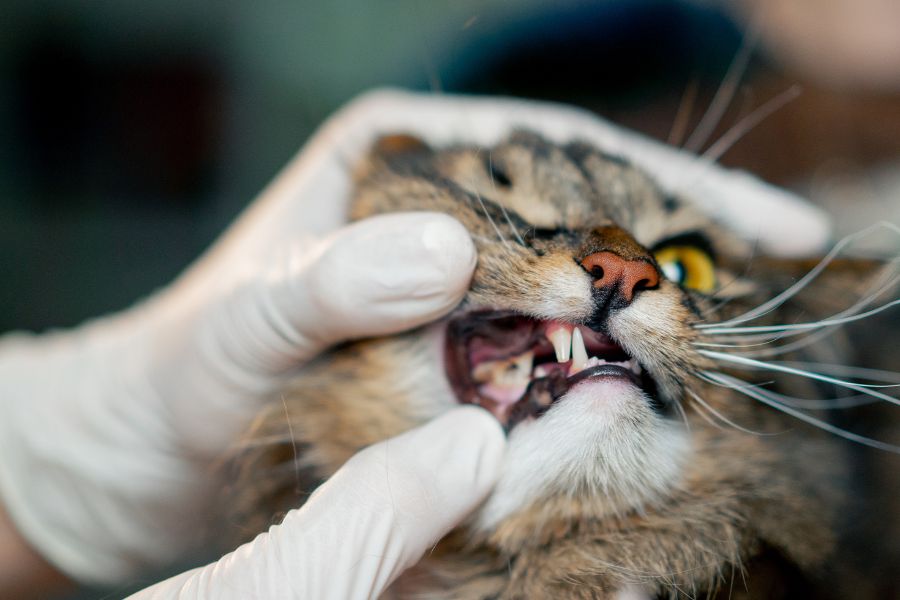
Catching dental problems early allows you to act before tooth loss becomes unavoidable. Common signs of dental disease in older pets include:
- Bad breath
- Difficulty chewing or loss of appetite
- Drooling excessively
- Red, swollen gums
- Loose or missing teeth
If you notice any of these symptoms, schedule a dental exam promptly. Regularly monitoring your pet’s mouth helps ensure their golden years remain comfortable.
Professional Cleanings: The Secret Weapon Against Tooth Loss
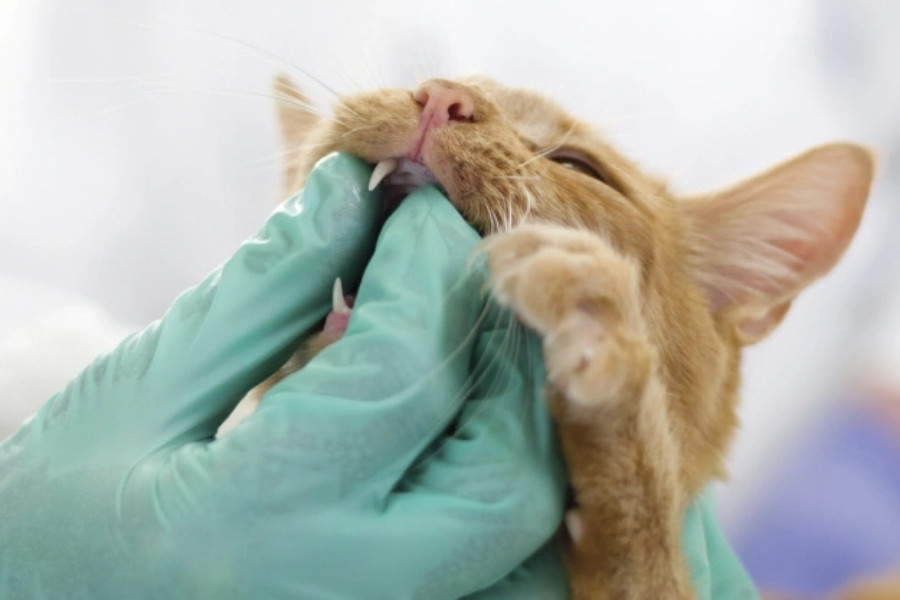
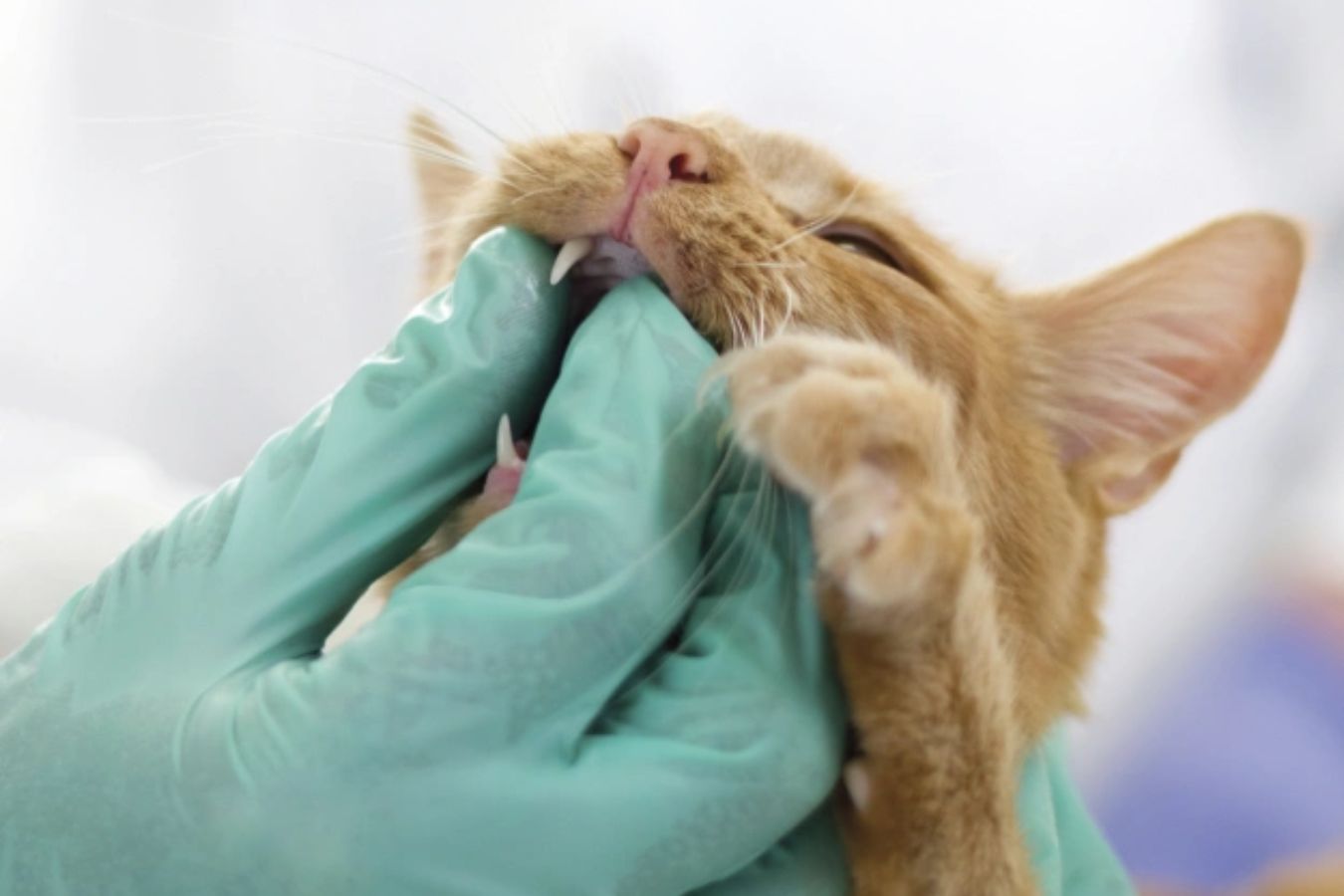
Although brushing at home helps, nothing compares to a professional cleaning. Veterinarians skilled in pet dentistry recommend regular cleanings under anesthesia for older pets who can safely undergo the procedure.
During these cleanings, the vet removes tartar above and below the gumline, smooths the teeth to slow down plaque accumulation, and may take X-rays to assess the health beneath the surface. This preventative care can dramatically extend the life of your pet’s teeth.
At-Home Dental Care: Building Good Habits Together
Preventing tooth loss doesn’t happen in the veterinary clinic alone—it continues at home. Simple routines can help maintain dental health between professional cleanings:
- Brush your pet’s teeth daily with pet-specific toothpaste.
- Offer dental chews approved by your veterinarian.
- Provide dental-friendly toys that reduce plaque.
- Add veterinarian-approved water additives or oral rinses.
By consistently practicing these habits, you create a strong defense line against gum disease and tooth loss.
Tailored Senior Care: Working With Your Veterinarian
Older pets often have unique health needs. This is why pet dentistry in Patchogue focuses on individualized care plans. Depending on your pet’s overall health, your veterinarian may recommend more frequent dental checkups, gentle oral treatments, or dietary changes that promote stronger teeth and gums.
By partnering with your vet, you ensure that your senior pet receives safe, targeted dental care without unnecessary risks.
Frequently Asked Questions (FAQs)
Q1: How often should older pets have dental exams?
Ans. Older pets should have dental exams at least once a year, though some may benefit from bi-annual visits depending on their oral health.
Q2: Is anesthesia safe for dental cleanings in senior pets?
Ans. With modern monitoring and safety protocols, anesthesia is generally safe. Your vet will conduct pre-anesthetic blood work to confirm your pet can safely undergo the procedure.
Q3: Can home brushing really help prevent tooth loss?
Ans. Yes, daily brushing greatly reduces plaque buildup and protects against periodontal disease, making it one of the most effective prevention tools.
Q4: Are there non-brushing alternatives for older pets?
Ans. Dental chews, oral rinses, and water additives can help reduce plaque, though brushing remains the gold standard.
Q5: What if my pet has already lost several teeth?
Ans. Even with missing teeth, your pet can live a comfortable life. Regular dental exams ensure the remaining teeth and gums stay healthy.
Q6: How does pet dentistry differ for senior pets?
Ans. Vets in Patchogue focus on gentle methods, preventive care, and extra monitoring to ensure oral health treatments are tailored to each senior pet’s needs.
Tooth loss in older pets is not inevitable. With early intervention, consistent at-home care, and professional dental support, you can keep your senior companion’s mouth healthy and pain-free. By choosing trusted pet dental care, you give your beloved pet the chance to age gracefully with a strong, happy smile.