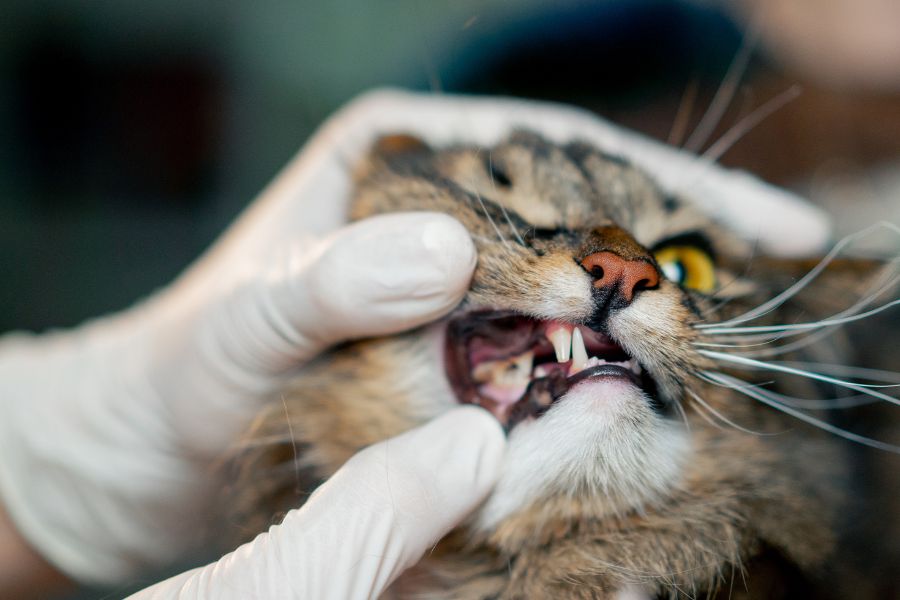
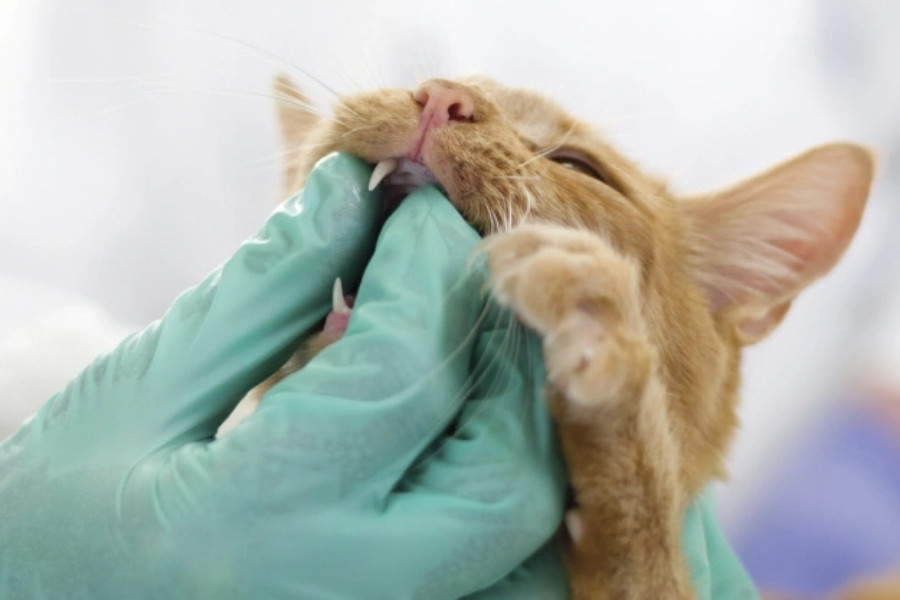
Maintaining your pet’s oral health is fundamental to their overall well-being. Just like humans, pets can experience various dental problems that impact their comfort and quality of life. Recognizing potential dental issues and proper oral care are key to responsible pet ownership.
The Mouth: A Gateway to Overall Health
Systemic Impact:
- The mouth is the entry point to the body; it plays a critical role in your pet’s overall health. Any imbalances or infections within this area can have far-reaching effects. When bacteria flourish in an unhealthy mouth, they don’t just stay localized; they can enter the bloodstream and travel to other body parts.
- Bacteria from oral issues can spread, affecting vital organs. This is especially concerning because these bacteria can contribute to severe conditions like heart disease, kidney disease, and liver problems. Therefore, maintaining a healthy mouth is not just about having clean teeth; it’s about safeguarding the entire body.
Recognizing the Signs: What to Watch For
Bad Breath:
- A persistent foul odor indicates bacterial buildup. While some pet breath can have a slight odor, a consistently strong and unpleasant smell is a red flag. This is often caused by the accumulation of plaque and tartar, which provide an ideal environment for bacteria to thrive.
- This is a common sign of plaque and tartar accumulation. The bacteria release sulfur compounds that produce that unpleasant smell.
Visible Buildup:
- A yellowish-brown substance along the gum line signifies tartar. This complex, mineralized deposit is formed when plaque is not removed regularly. It creates a rough surface that further attracts bacteria.
- This buildup irritates gums, causing redness and swelling. The gums may become inflamed, the body’s natural response to infection. If left untreated, this inflammation can progress to gum disease.
Changes in Eating Habits:
- Reluctance to eat hard food or chewing on one side suggests oral pain. If your pet is experiencing pain in its mouth, it may avoid chewing on the affected side or eating hard food altogether.
- Another potential sign is dropping food while eating. This can indicate that your pet is having difficulty chewing or is experiencing pain when biting down.
Other Indicators:
- Excessive drooling, pawing at the face, and loose teeth are signs of discomfort. Increased drooling can signal that your pet is trying to soothe irritated gums. Pawing at the face or mouth can indicate that they are experiencing pain or discomfort. Loose teeth are a sign of advanced dental disease.
- Any of these signs warrants veterinary consultation. Early intervention can prevent more serious problems.
The Importance of Professional Care
Beyond Home Care:
- Professional cleanings remove plaque and tartar below the gum line. This is important because bacteria thrive in these areas, which are difficult to reach with regular brushing.
- Thorough examinations identify underlying dental problems. Veterinarians can detect issues that may not be visible to the naked eye, such as abscesses or impacted teeth.
Preventing Health Issues:
- Regular care prevents gum disease, abscesses, and systemic infections. Periodontal disease, an infection of the gums and supporting structures of the teeth, is a common problem in pets.
- Maintaining oral hygiene contributes to overall health. It helps to prevent pain, discomfort, and the spread of infection.
Maintaining Your Pet’s Oral Health
Regular Checkups:
- Schedule routine dental examinations with your veterinarian. They can provide professional cleanings and assess your pet’s overall oral health.
Home Care:
- Talk with your vet about proper home dental care techniques. This may include brushing your pet’s teeth with pet-safe toothpaste and providing dental chews.
Diet:
- Discuss dental-appropriate food and treats with your vet. Certain foods and treats can help reduce plaque and tartar buildup.
By being vigilant about your pet’s oral health and seeking professional veterinary care when needed, you can ensure they enjoy a comfortable and healthy life.
Conclusion
Proactive and consistent attention to your pet’s oral hygiene is indispensable for its holistic well-being. By recognizing the telltale signs of dental issues, implementing a diligent home care routine, and prioritizing regular veterinary checkups, you can effectively safeguard your pet against potentially severe systemic health complications. This commitment to their dental health translates to your cherished companion’s happier, healthier, and more comfortable life.