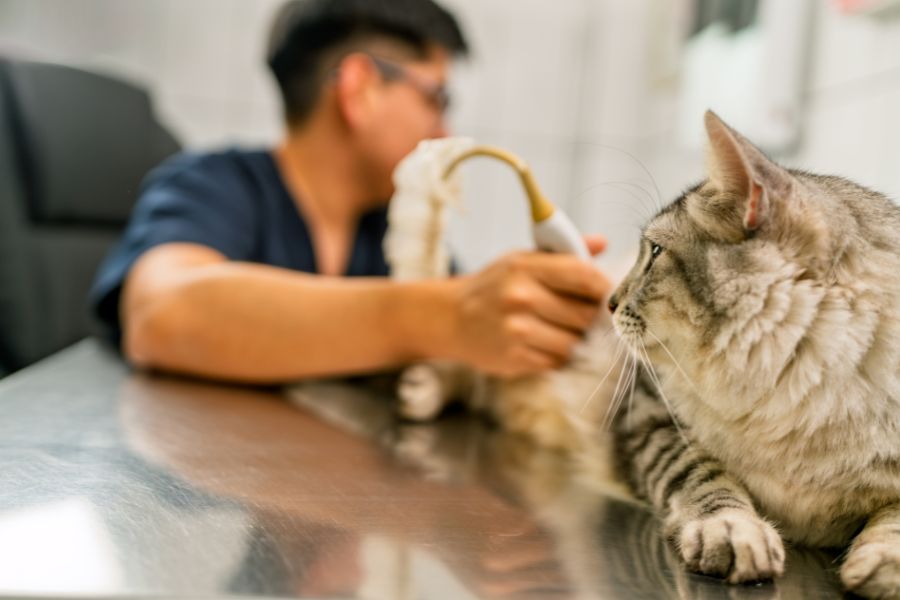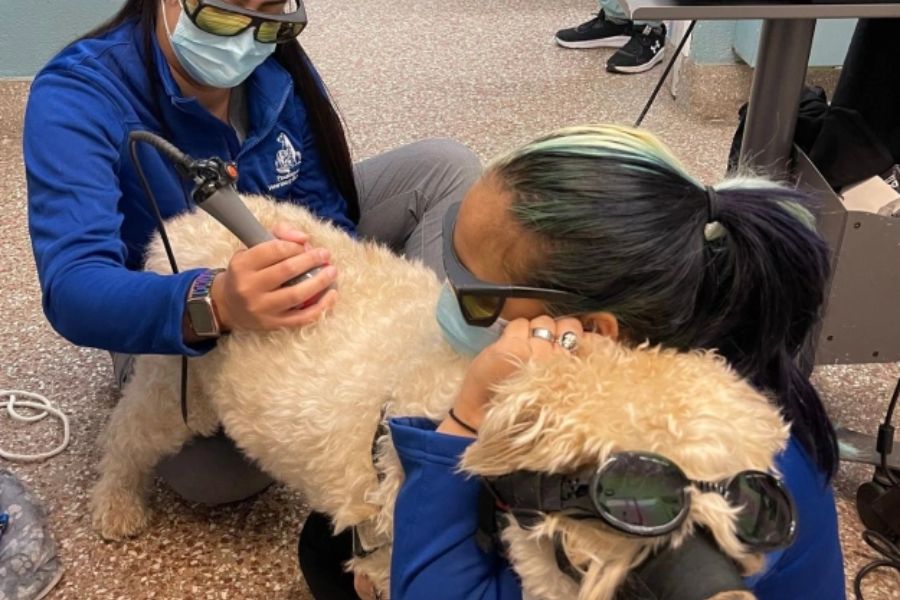
As pet parents, we constantly strive to provide the best possible care for our beloved companions. When they’re in pain or recovering from an injury, we want solutions that are effective, safe, and, ideally, non-invasive. That’s where laser therapy comes in – a cutting-edge treatment that’s gaining significant traction in veterinary medicine. But before you jump in, what should you know? Let’s shed some light on this incredible option!
What Exactly Is Laser Therapy for Pets?
You may have heard of laser therapy for humans, and the principles are similar for our four-legged friends. This non-invasive, drug-free, and pain-free treatment utilizes specific wavelengths of light to stimulate healing at a cellular level. Think of it like giving your pet’s cells a supercharge!
Here’s the magic behind it: the laser light penetrates the tissues, reaching damaged cells. This energy then stimulates the cells to produce more ATP (adenosine triphosphate), which is essentially the fuel for cellular functions. This boost in cellular energy production, coupled with improved cell membrane permeability, significantly accelerates the natural healing process and enhances tissue repair. The result? Faster recovery and higher-quality results for your pet.
A Painless Path to Relief – No Anesthesia Needed!
One of the most significant advantages of laser therapy for pets is its gentle nature. Unlike some medical procedures, laser therapy requires absolutely no anesthesia. Your pet can relax, often enjoying the warmth of the laser, while the treatment is being administered. This makes it an excellent option for pets of all ages, including those who may be sensitive to anesthesia or have underlying health conditions.
The Power of Light – How Does It Help?
Beyond stimulating cellular energy, laser therapy offers a multitude of benefits that contribute to your pet’s well-being:
- Faster Healing: By boosting cellular activity, the body can repair damaged tissues more efficiently.
- Reduced Pain: The therapy helps to alleviate pain by reducing inflammation and improving nerve function.
- Minimized Swelling: Laser light promotes improved lymphatic drainage, resulting in reduced swelling.
- Improved Circulation: Enhanced blood flow delivers vital nutrients and oxygen to the affected areas, thereby further aiding in the healing process.
Essentially, laser therapy helps your pet recover more efficiently and comfortably, allowing them to return to their playful selves sooner.
A Wide Range of Clinical Applications – More Than Just Sprains!
You might be surprised by the sheer number of conditions that can benefit from laser therapy. It’s a versatile tool in a veterinarian’s arsenal, effectively reducing pain and inflammation associated with both acute and chronic conditions. Here are just a few examples of where laser therapy shines:
- Infections: From skin infections to mouth and ear infections, laser therapy can aid in the healing process and reduce discomfort.
- Sprains & Strains: Helps to accelerate recovery from muscle and ligament injuries, which are common in active pets.
- Osteoarthritis: Provides significant pain relief and improves mobility for pets suffering from this common degenerative joint disease.
- Inflammation: A powerful anti-inflammatory tool for various inflammatory conditions throughout the body.
- Wounds: Speeds up the healing of surgical incisions, abrasions, and other types of wounds.
- Fractures: Can support the healing process of bone fractures by promoting cellular regeneration.
- Irritable Bowel Syndrome (IBS): Helps to reduce inflammation and discomfort associated with digestive issues.
- Dental Procedures: Excellent for post-extraction pain relief and speeding up gum healing.
- Post-Surgical Recovery: A fantastic way to manage pain, reduce swelling, and promote faster healing after any surgical procedure.
Is Laser Therapy Right for Your Pet?
While laser therapy is incredibly safe and effective for a wide range of conditions, it’s crucial to have a conversation with your veterinarian. They can assess your pet’s specific needs, discuss if laser therapy is the best course of action, and outline a tailored treatment plan. They’ll also be able to answer any specific questions you have about the process and what to expect.
In conclusion, laser therapy offers a promising, non-invasive, and remarkably effective option for managing pain and accelerating healing in our beloved pets. If your furry friend is experiencing discomfort or recovering from an injury, don’t hesitate to ask your vet if laser therapy could be the bright solution you’ve been looking for!