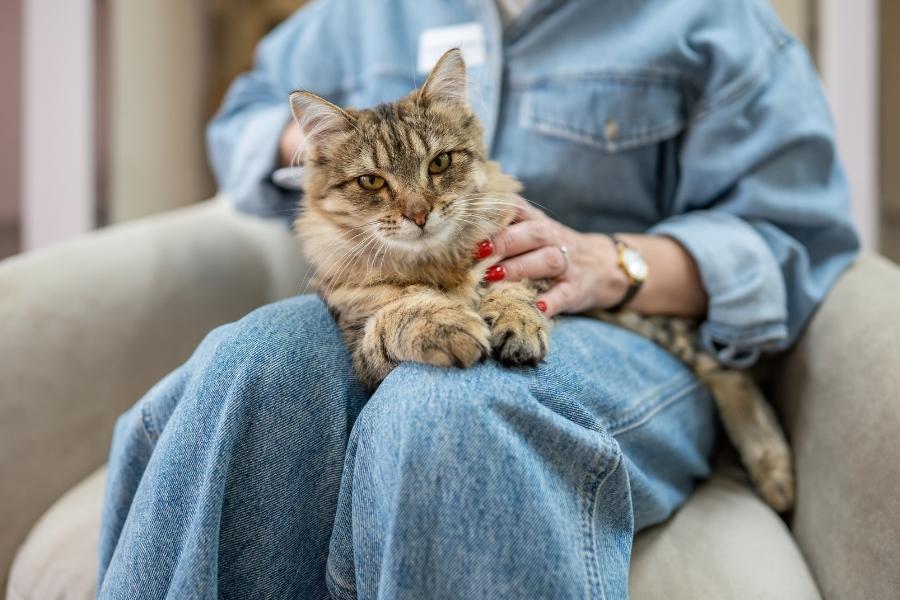
Aging pets go through gradual changes that aren’t always obvious at first. These changes can be physical, emotional, or behavioral. While a shift in appetite or increased napping might seem harmless, it could be a sign of an underlying issue. That’s where regular vet visits make a real difference.
Senior pets—typically those over seven years old—benefit from wellness exams every six months. These appointments allow your veterinarian to monitor your pet’s health more closely. Early detection of issues like arthritis, organ dysfunction, or dental problems can lead to faster treatment and improved quality of life.
Veterinarians also use these visits to discuss age-related behavior changes. Whether it’s confusion, anxiety, or decreased social interaction, these clues help shape better care for your senior pet. Think of these check-ups as a roadmap to help your pet age with comfort and dignity.
Subtle Behavior Shifts You Shouldn’t Ignore
Behavioral changes are often the first indicators that something isn’t right. As pets grow older, they may not show pain or illness the way younger animals do. Instead, their habits or moods might shift in subtle ways.
You might notice your normally active dog seems disinterested in play. Or your friendly cat becomes reclusive. These behaviors shouldn’t be brushed off as just aging—they could point to treatable medical or emotional issues.
Conditions like arthritis, dental pain, and even early stages of dementia often begin with slight behavioral differences. According to veterinary behaviorists, one of the most common issues in senior pets is Canine Cognitive Dysfunction (CCD), a condition that mimics Alzheimer’s disease in humans. The first signs usually involve disorientation, disrupted sleep, or changes in social behavior.
This is why tracking these behaviors becomes essential. If you want to explore the Importance of Regular Check-Ups for Senior Pets Care, please click here and explore the blog.
Signs of Change: What to Monitor as Pets Get Older
It’s helpful to know what types of behaviors to monitor as your pet ages. Below are some of the most common changes noticed in senior pets:
1. Appetite That Goes Up or Down
A senior pet eating less or more than usual may be dealing with pain, dental issues, or metabolic problems like diabetes.
2. Restless Nights and Altered Sleep
Restlessness at night, pacing, or reversed sleep cycles can be linked to anxiety, discomfort, or cognitive changes.
3. House Soiling or Missed Litter Box
If your pet is suddenly having accidents in the house, it could be a sign of urinary tract infections, arthritis, or confusion due to cognitive decline.
4. New or Unusual Moods
A friendly dog turning grumpy or a curious cat becoming withdrawn could indicate pain or neurological changes.
5. Slowed Movement or Hesitation
Stiffness, limping, or reluctance to climb stairs or jump may signal joint issues or loss of muscle strength.
6. Increased Whining or Meowing
Sudden vocalizing—especially at night—may suggest pain, anxiety, or confusion.
Easy Ways to Keep a Behavior Record at Home
Keeping an accurate record of your pet’s behaviors can be incredibly helpful when you visit the vet. You don’t need any special tools—just a simple method to stay organized.
- Create a Daily Log: Track sleep habits, eating, bathroom usage, and social behavior.
- Take Short Videos: If your pet behaves oddly, a 30-second clip can help your vet understand what’s happening.
- Use a Mobile App: Apps like PetDesk or Pawtrack can help monitor symptoms or changes over time.
- Compare Notes: Involve other household members. They may notice things you miss.
- Review Weekly: Spend a few minutes each week reviewing your notes. Patterns become clearer this way.
What Your Vet Can Do With This Information
Once you share these behavior observations with your vet, they can run targeted diagnostics to uncover the cause. Blood tests, urinalysis, physical exams, and even cognitive assessments might be suggested depending on the symptoms.
If your dog is acting forgetful or your cat stops grooming, your vet will look at possibilities like thyroid issues, kidney disease, or neurological disorders. Many of these conditions, when caught early, are manageable with medications, supplements, or lifestyle changes.
Sometimes the solution is as simple as a joint-support supplement or a change in diet. Other times, medication to support brain health or pain relief can make a big difference.
Creating a Comfortable Routine for an Aging Pet
While veterinary care is essential, a lot of your senior pet’s comfort comes from the environment you create at home. Here are ways to support them daily:
- Use Soft Bedding: Cushioned beds reduce joint pressure and make resting easier.
- Install Pet Ramps: Help pets reach furniture or navigate stairs with ease.
- Stick to Routine: Predictability reduces stress and confusion.
- Offer Mental Stimulation: Puzzle toys and scent games can keep your pet’s mind active.
- Provide Warmth: Older pets often feel cold more easily, so keep their resting areas cozy.
The small touches matter—lighting hallways at night, elevating food bowls, and adding non-slip mats can dramatically improve your pet’s daily comfort.
Want to Learn More?
Your pet has been a loyal part of your life for years—and now it’s your turn to support them through their senior stage with care and attentiveness. By tracking behavioral changes and staying on top of routine vet visits, you can catch health concerns early and offer your furry friend the best possible quality of life.
Looking for more ways to care for your aging pet? Curious about nutrition, mobility, or mental health for seniors? We’ve got you covered. Browse our blog for more helpful guides designed with pet parents in mind.
Whether you’re managing early cognitive changes or just want to ensure your pet stays comfortable, there’s always more to discover when it comes to senior pet care.