Regular veterinary checkups are crucial to your pet’s health and happiness. Whether it’s a routine wellness exam or a visit for a specific concern, preparing well helps you get the most from your appointment. Moreover, establishing a thorough dialogue with your veterinarian at your trusted animal hospital strengthens your partnership in preventative care.
First Things First: How to Prepare for Your Pet’s Checkup
Preparation reduces stress for both you and your pet. Start by gathering your pet’s medical history, including vaccination records, medications, and any previous illnesses or surgeries. Next, jot down any behavioral changes, appetite shifts, or unusual signs you’ve noticed. Also, consider your pet’s diet and exercise routine. Writing these details down ensures you won’t forget important topics during the visit.
Essential Questions to Ask: Getting Clear Answers
During the visit, don’t hesitate to ask focused questions. Here are key queries that will inform your care decisions:
- Is my pet’s weight within a healthy range? – Weight impacts many health conditions including joint, heart, and metabolic diseases.
- Are my pet’s vaccinations up to date? – Confirm vaccines appropriate for your pet’s lifestyle and age.
- What signs of illness should I watch for at home? – Recognizing early symptoms can make a big difference.
- Does my pet need any new preventive treatments? – This includes parasite control, dental care, or dietary adjustments.
- Are there any breed-specific health concerns? – Some breeds have predispositions that warrant extra attention.
- Can you explain any test results or recommended treatments? – Understanding these lets you make informed choices.
What Happens During the Exam? A Step-By-Step
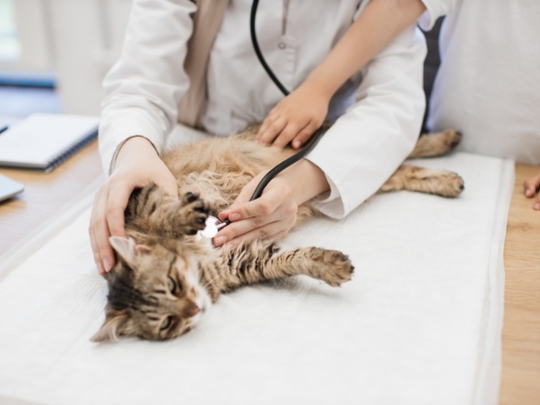
Expect a full physical evaluation that covers nose to tail. The vet will listen to your pet’s heart and lungs, check their eyes and ears, examine skin and coat condition, and palpate the abdomen to assess internal organs. Dental health evaluation is also part of this comprehensive checkup. Your vet may also recommend bloodwork, fecal tests, or urinalysis to uncover hidden issues.
Beyond the Exam Room: Follow-Up and Record-Keeping
After your visit, keep track of any instructions or medications prescribed. Schedule future appointments as recommended for vaccines, wellness exams, or specific treatments. If your pet hospital in Patchogue offers digital access to records or reminders, use them to stay organized and proactive.
The Human-Animal Bond: Making Vet Visits Less Stressful
Creating a calm environment before and during the visit helps your pet associate positive feelings with the veterinarian. Bring along a favorite toy or blanket, offer treats, and speak softly. Remember, your calm and prepared presence reassures your furry companion too.
FAQs About Vet Checkups
Q1. How often should my pet visit the vet for checkups?
Ans. Most adult pets benefit from annual exams, but seniors or pets with chronic conditions may need more frequent visits.
Q2. What should I bring to a veterinary appointment?
Ans. Bring your pet’s medical records, a list of questions, any medications they take, and comfort items for your pet.
Q3. How can I prepare my pet to reduce anxiety at vet visits?
Ans. Frequent gentle handling at home, car ride practice, and positive reinforcement can ease stress.
Q4. Are vaccinations always needed at every visit?
Ans. Vaccinations follow a schedule based on age, health, and risk factors; your vet will advise when shots are due.
Q5. Can I ask to see my pet’s test results and medical records?
Ans. Absolutely. Transparency is part of good care, so don’t hesitate to request explanations.
Q6. How does pet preventative care Patchogue support ongoing health?
Ans. Local clinics provide tailored wellness plans that include vaccines, parasite control, dental care, nutrition, and early disease detection.