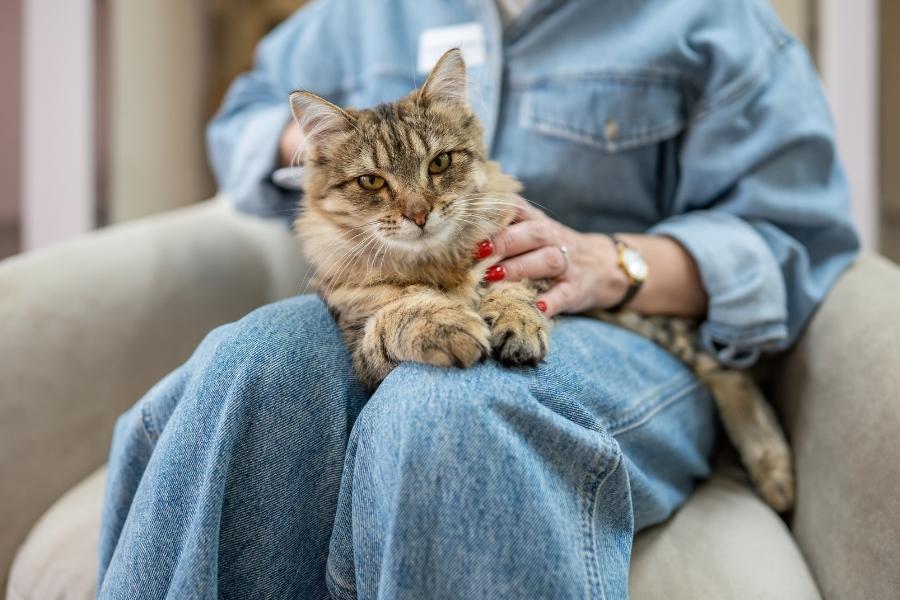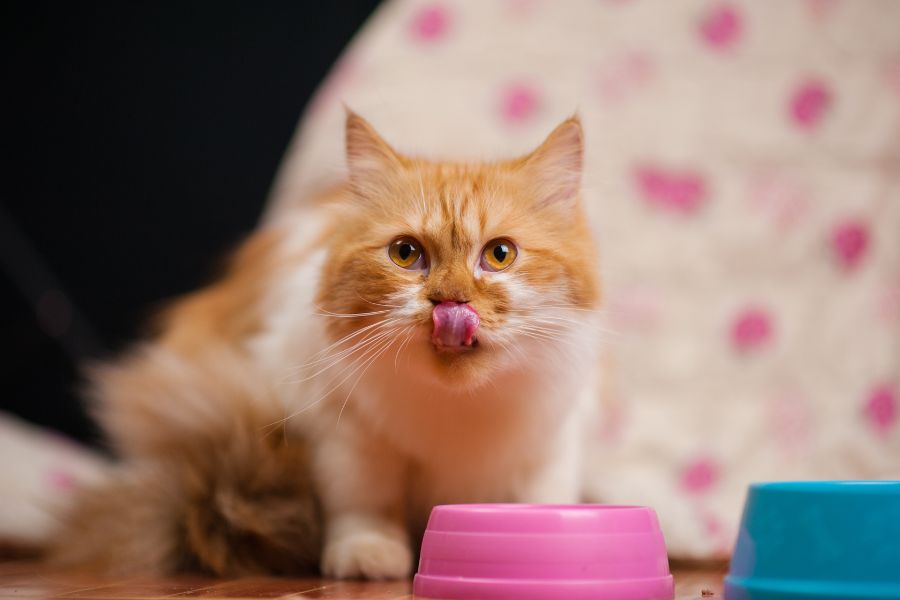
As pets grow older, their nutritional needs evolve, making it essential to adjust their diet for long-term health and comfort. Senior Pet Nutrition focuses on providing the right balance of protein, calories, and essential nutrients to keep aging cats and dogs active and comfortable. In this guide, we break down how aging affects your pet’s dietary needs and the best food for older cats and dogs. You’ll also learn how to build an old pet diet plan, spot signs of poor nutrition, and make smart senior pet food recommendations to support a healthy, happy life.
Understanding Senior Pet Nutrition
Aging pets experience metabolic and physiological changes that directly influence their dietary requirements. As dogs and cats become seniors—typically around age seven for most breeds—their bodies process nutrients differently and may require tailored feeding adjustments. Understanding Senior Pet Nutrition is the first step in ensuring long-term wellness and vitality.
Senior pets often need:
- Highly digestible protein to maintain muscle mass
- Joint-supporting nutrients like omega-3s and glucosamine
- Controlled calories to prevent obesity
- Increased fiber for digestive health
- Antioxidants for cognitive support
A well-designed old pet diet plan helps reduce age-related concerns such as weight gain, arthritis, and cognitive decline.
Signs Your Pet May Need a Senior Diet
Recognizing when your pet needs a senior dog food guide or specialized nutrition for older cats is key to keeping them healthy.
Common signs include:
- Slower movement or stiffness
- Weight fluctuations (gain or loss)
- Reduced appetite
- Increased thirst or urination
- Dull coat or dry skin
- Digestive issues
If you notice these changes, consider exploring senior pet food recommendations or consulting your nearest veterinarian in Patchogue for individualized guidance.
Best Food for Older Cats
Senior cats have unique nutritional needs due to changes in metabolism, dental health, and kidney function. Choosing the best food for older cats involves understanding these shifts.
What Senior Cats Need Most
Older cats often benefit from:
- Moderate to high-quality animal protein
- Controlled phosphorus levels for kidney support
- Moisture-rich food to prevent dehydration
- Fatty acids to support skin, coat, and brain health
- Antioxidants for immune strength
Wet vs. Dry Food for Senior Cats
Moisture becomes especially important as cats age.
- Wet food helps maintain hydration and support kidney function.
- Dry food can help manage dental health, but must be combined with adequate water intake.
A blended feeding style mixing both often works best for maximizing nutrition while supporting overall health.
Senior Dog Food Guide: What Older Dogs Really Need
Dogs experience a more noticeable shift in metabolism and joint strength as they age. A senior dog food guide ensures you understand and meet their evolving nutritional needs.
Core Nutritional Requirements for Senior Dogs
Senior dogs typically benefit from:
- Lean, highly digestible protein
- Reduced fat to maintain a healthy weight
- Added omega-3 fatty acids for joint mobility
- Increased fiber for digestive regularity
- Vitamins and antioxidants for immune support
Because joint issues are common in aging canines, look for senior formulations enriched with glucosamine and chondroitin.
Choosing the Right Diet Based on Breed Size
Different dog breeds age at different rates:
- Small breeds tend to have longer lifespans and may not require senior food until around age 10.
- Large breeds may need senior diets as early as age six due to faster aging.
Matching your dog’s diet to their breed size ensures they get adequate calorie intake and nutrient levels.
How to Build an Old Pet Diet Plan
Creating an old pet diet plan for cats or dogs should focus on balance, digestibility, and addressing individual medical conditions. Always consider your pet’s breed, size, activity level, and health concerns.
Steps to a Healthy Senior Diet Plan
- Start with a veterinary wellness exam to identify any underlying diseases.
- Choose age-appropriate food using species and breed as a guide.
- Adjust calorie intake to avoid obesity.
- Add supplements only if recommended by your veterinarian.
- Monitor your pet’s response to dietary changes for at least 4–6 weeks.
- Make gradual transitions to prevent gastrointestinal upset.
Transitioning to Senior Diets
Move to the new food gradually over 7–10 days:
- Day 1–3: 25% new, 75% old
- Day 4–6: 50% new, 50% old
- Day 7–10: 75% new, 25% old
This method reduces digestive distress and helps your pet adjust to their new nutrient profile.
Feeding Senior Pets with Health Conditions
As pets age, certain medical conditions become more common. Feeding senior pets with specific health concerns requires targeted nutrition.
Common Conditions and Dietary Adjustments
- Arthritis: Look for foods rich in omega-3 fatty acids and joint supplements.
- Kidney disease: Choose low-phosphorus, moderate-protein diets (especially important for older cats).
- Diabetes: Opt for high-fiber, low-glycemic foods to support blood sugar control.
- Obesity: Use calorie-controlled diets with added fiber.
- Cognitive decline: DHA and antioxidants can slow cognitive aging.
Speak with your nearest veterinarian to determine whether prescription diets are necessary.
Senior Pet Food Recommendations
A solid senior pet food recommendation list includes brands or types of diets that focus on digestibility, balanced nutrients, and age-appropriate support.
Important features to prioritize include:
- AAFCO-approved formulations for senior life stage
- Named animal proteins (e.g., chicken, salmon)
- Limited fillers and artificial ingredients
- Added supplements like glucosamine and omega-3s
- Moisture content for pets needing hydration support
Always select foods based on your pet’s specific condition and consult with your veterinarian to discuss suitable choices.
Tips for Feeding Senior Pets Daily
Building a long-term feeding routine is just as important as choosing the right food.
Daily Feeding Tips
- Break meals into 2–3 smaller servings for easier digestion.
- Provide fresh water at all times.
- Avoid table scraps that may cause stomach upset.
- Include gentle exercise to maintain mobility.
- Monitor stool quality and body condition regularly.
When to Seek Veterinary Advice
Consult your nearest veterinarian if your senior pet shows:
- Rapid weight loss
- Trouble chewing or swallowing
- Lethargy or weakness
- Increased drinking or urination
- Chronic vomiting or diarrhea
Senior Pet Nutrition plays a vital role in supporting a long, healthy life for aging cats and dogs. By choosing the right foods, adjusting portions, and monitoring your pet’s health closely, you can help them remain active and comfortable throughout their golden years. If you live near Patchogue, NY, and are trying to find a reliable senior pet care animal hospital, Paumanok Veterinary Hospital offers trusted guidance and compassionate support for your pet’s evolving nutritional needs.
FAQs
Q1: What is the best food for older cats with kidney issues?
Ans: Foods with controlled phosphorus, moderate protein, and high moisture help support kidney function in aging cats.
Q2: How do I know if my dog needs a senior diet?
Ans: If your dog is slowing down, gaining weight, or showing changes in appetite or coat health, it may be time to transition to senior-specific food.
Q3: How often should I feed my senior pet?
Ans: Most senior pets thrive on two to three smaller meals a day to support digestion and maintain energy.
Q4: Are supplements necessary for senior pets?
Ans: Supplements like omega-3s, probiotics, or joint support may be helpful but should only be used under veterinary guidance.
Q5: Can senior pets eat regular adult food?
Ans: Some can, but most senior pets benefit from tailored diets designed to address age-related changes in metabolism, joints, and organ health.