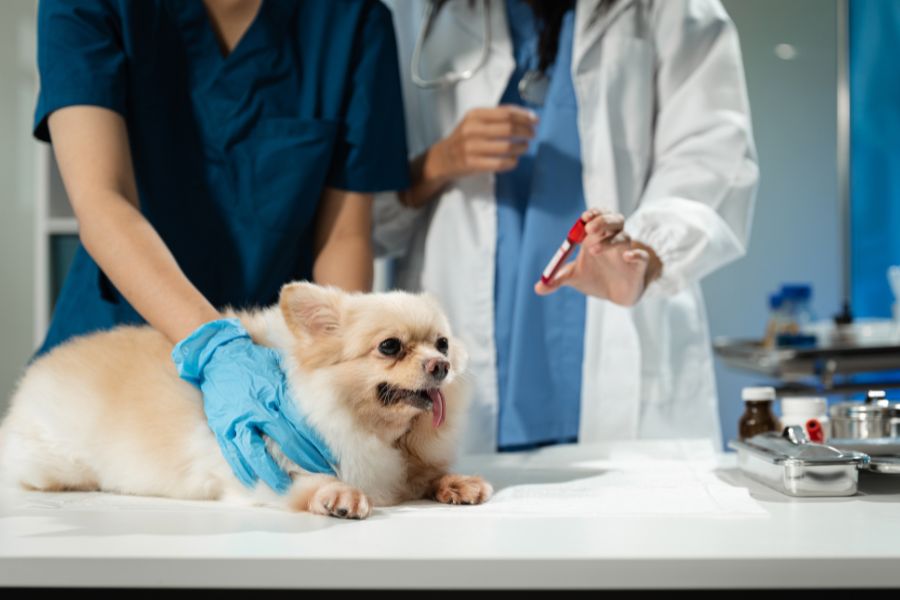
Golden Retrievers are one of the most beloved dog breeds in the U.S., but they also face a higher risk of cancer than many other breeds. Understanding Golden Retrievers cancer causes and how to reduce that risk can make a real difference in long-term health and quality of life. This article covers the most common causes, early warning signs, and practical prevention tips recommended by veterinarians.
Why Are Golden Retrievers More Prone to Cancer?
Cancer is sadly common in dogs, but Golden Retrievers are especially vulnerable. Research suggests that more than half of Golden Retrievers may develop cancer at some point in their lives. While that statistic can be concerning, knowing the reasons behind it helps owners take informed, proactive steps.
Cancer usually develops due to a combination of genetics, environment, and lifestyle rather than a single cause.
Genetic Predisposition in Golden Retrievers
The primary reason Golden Retrievers get cancer is genetics. Certain cancers are seen far more often in this breed due to inherited traits passed through bloodlines.
Common cancers in Golden Retrievers include:
- Hemangiosarcoma – affects the spleen, heart, or liver
- Lymphoma – cancer of the lymphatic system
- Osteosarcoma – bone cancer
- Mast cell tumors – a common type of skin cancer
Selective breeding focused on temperament and appearance has unintentionally increased the spread of cancer-related genes.
Overbreeding and Its Impact on Cancer Risk
Golden Retrievers’ popularity has led to overbreeding, especially by breeders who skip genetic health screening. When dogs with a family history of cancer are bred repeatedly, the risk increases for future generations.
Responsible breeders typically:
- Perform genetic testing
- Track cancer history in bloodlines
- Avoid breeding dogs with early-onset cancer
Asking about parental health history can be helpful when adopting a puppy.
Environmental Factors That Contribute to Cancer
Even dogs with strong genetics can develop cancer due to environmental exposure.
Environmental risks include:
- Lawn treatments and pesticides
- Secondhand smoke
- Household cleaners and chemicals
- Air pollution
- Excessive sun exposure
Limiting exposure to these toxins can help reduce long-term cancer risk.
Diet, Weight, and Overall Health
Golden Retrievers are known for their love of food, which makes them prone to weight gain. Obesity and poor nutrition increase inflammation in the body and may raise cancer risk.
Maintaining a healthy weight helps:
- Support immune function
- Reduce chronic inflammation
- Lower stress on vital organs
A balanced diet and daily exercise are key preventive measures.
Age-Related Cancer Risk in Golden Retrievers
Most cancers are diagnosed when Golden Retrievers reach middle age or senior years, usually after age 7. As dogs age:
- Their immune systems weaken
- Cell repair becomes less efficient
- Cancerous changes are more likely to occur
This makes routine veterinary care increasingly important as dogs get older.
Early Signs of Cancer in Golden Retrievers
Early detection often leads to better outcomes, but symptoms can be subtle at first.
Warning signs to watch for include:
- New or growing lumps
- Sudden weight loss
- Loss of appetite
- Fatigue or weakness
- Swollen lymph nodes
- Coughing or trouble breathing
- Pale gums or unexplained bleeding
Any unusual change should be checked by a veterinarian near you.
How to Help Prevent Cancer in Golden Retrievers
Cancer can’t always be prevented, but there are effective ways to lower risk and catch problems early.
1. Regular Veterinary Exams
Routine checkups allow vets to detect changes early. Senior dogs benefit from exams every six months, often combined with basic pet diagnostic care such as bloodwork or imaging to monitor internal health.
2. Keep Your Dog at a Healthy Weight
Use portion control, regular exercise, and limited treats to keep your Golden Retriever lean and active.
3. Feed High-Quality Nutrition
Choose food with quality ingredients and minimal artificial additives. Your veterinarian can guide you based on age and activity level.
4. Reduce Toxin Exposure
- Use pet-safe lawn products
- Avoid smoking indoors
- Store chemicals safely
- Wipe paws after walks
5. Discuss Spay or Neuter Timing
Spaying or neutering can lower the risk of certain cancers. Your veterinarian can recommend the best timing for your dog.
Why Early Screening Matters
Veterinary medicine allows for earlier cancer detection through exams and testing. Early diagnosis often means more treatment options, better comfort, and improved outcomes. Paumanok Veterinary Hospital works closely with dog owners to create preventive care plans for breeds with higher cancer risk.
Conclusion
Golden Retrievers are more prone to cancer due to genetics, breeding history, environmental exposure, and aging. While cancer isn’t always preventable, proactive steps—such as regular checkups, healthy nutrition, weight management, and early detection can greatly improve outcomes. If you’re a Golden Retriever owner in Patchogue, staying ahead of your dog’s health is essential. Book an appointment to give your dog the best possible care today.
FAQs
Q1: Why do Golden Retrievers get cancer more often than other breeds?
Ans: They have a strong genetic predisposition to certain cancers, especially lymphoma and hemangiosarcoma.
Q2: At what age do Golden Retrievers usually develop cancer?
Ans: Most cases are diagnosed after age 7, though younger dogs can also be affected.
Q3: Can a healthy lifestyle reduce cancer risk in Golden Retrievers?
Ans: Yes, proper nutrition, weight control, and reduced toxin exposure can help lower overall risk.
Q4: What is the most common cancer in Golden Retrievers?
Ans: Hemangiosarcoma and lymphoma are among the most common.
Q5: How often should Golden Retrievers see a veterinarian as they age?
Ans: Senior dogs should ideally have veterinary exams every six months for early detection.