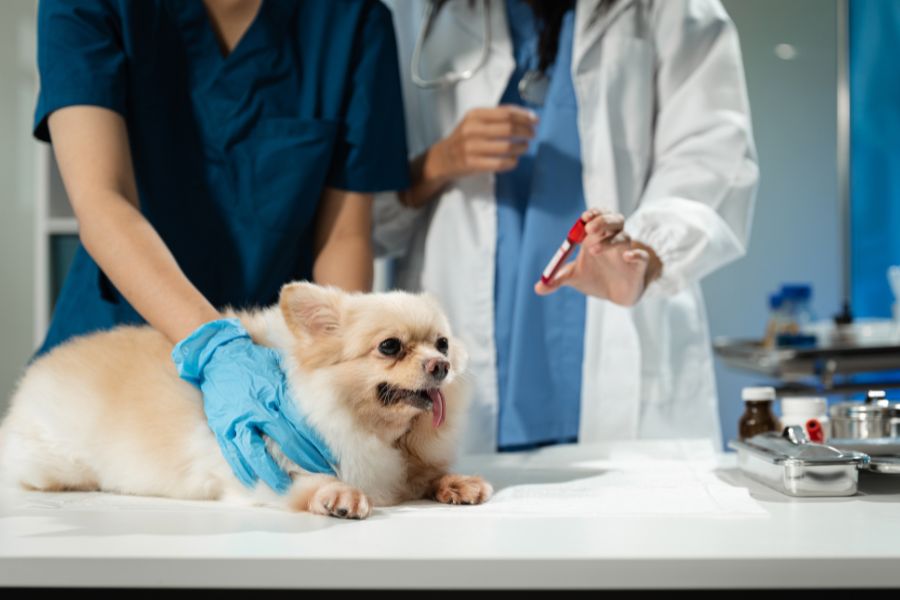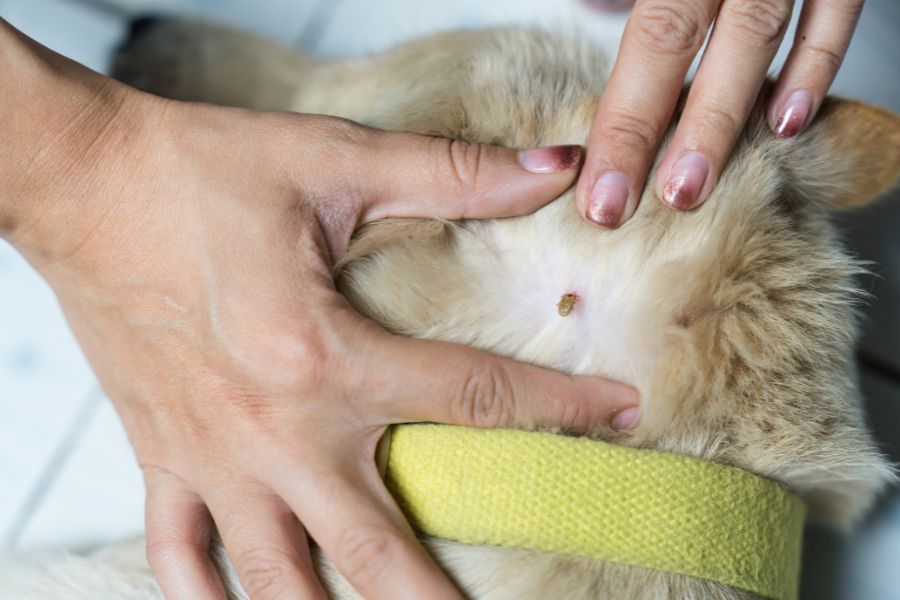
If your dog still has fleas after treatment, you are not alone. Many pet owners in Patchogue and across the US are frustrated when they see fleas after treatment and assume it failed. The truth is, flea infestations are more complex than most people realize.
In this guide, we will explain why your dog still has fleas, how flea treatment for dogs actually works, what mistakes may be happening at home, and how to improve flea prevention for dogs for long-term control.
Understanding the Flea Life Cycle
Before assuming a flea treatment failed, it is critical to understand the flea life cycle. Fleas develop in four stages:
- Egg
- Larva
- Pupa
- Adult
Only about 5 percent of fleas live on your dog. The remaining 95 percent exist in your home environment as eggs, larvae, and pupae. That means even if your dog’s flea treatment kills adult fleas, new ones may continue emerging for weeks.
This is one of the most common reasons pet owners report fleas after treatment.
Why Your Dog Still Has Fleas After Treatment
1. New Fleas Are Hatching
Most modern flea treatments kill adult fleas quickly. However, flea pupae can survive in carpets, bedding, and cracks in floors for weeks or even months. When they hatch, they jump onto your dog, making it look like the treatment failed.
2. The Treatment Was Not Applied Correctly
Improper treatment is a frequent issue. Examples include:
- Not parting the fur down to the skin
- Bathing your dog too soon after applying a topical
- Using the wrong dose for your dog’s weight
- Splitting doses between pets
3. You Did Not Treat All Pets in the Household
If one pet is untreated, fleas will continue reproducing. Every dog and cat in the home must be on consistent flea prevention for dogs or cats, even indoor pets.
4. Your Home Was Not Treated
Remember, 95 percent of the flea population is not on your dog. If carpets, furniture, and bedding are not addressed, fleas after treatment will continue appearing.
Environmental control is essential.
5. Reinfection From Outdoors
Dogs, especially those who visit parks or wooded areas, are at higher risk of reinfestation. Wildlife such as raccoons and stray cats can deposit flea eggs in your yard.
How Flea Treatment for Dogs Actually Works
There are several types of flea treatment for dogs available:
Topical Treatments
Applied to the skin, these spread through natural oils and kill adult fleas on contact or after biting.
Oral Medications
Chewable tablets kill fleas after they bite your dog. Some begin working in as little as 30 minutes.
Flea Collars
Modern veterinary collars release active ingredients slowly over several months.
Most high-quality Flea Collars:
- Kill adult fleas quickly
- Prevent egg production
- Break the life cycle
However, they do not instantly eliminate every flea in your home.
What To Do If Your Dog Still Has Fleas
If your dog still has fleas, follow this action plan:
Step 1: Continue the Monthly Prevention
Do not stop treatment. Consistency is critical to eliminate the infestation cycle.
Step 2: Deep Clean Your Home
Focus on:
- Vacuuming daily for 2 to 3 weeks
- Washing pet bedding in hot water weekly
- Steam cleaning carpets if possible
- Disposing of vacuum bags immediately
Vacuuming stimulates flea pupae to hatch, making them vulnerable to treatment.
Step 3: Consider Veterinary Prescription Options
If over-the-counter treatments are not resolving fleas after treatment, prescription medicine may be necessary. These often have higher efficacy and better safety profiles.
Step 4: Treat Your Yard If Necessary
In heavy infestations, yard treatment may be recommended, especially in shaded, moist areas where fleas thrive.
Are Home Remedies for Fleas Effective?
Many pet owners ask about home remedies for fleas. Some commonly mentioned options include:
- Apple cider vinegar sprays
- Dish soap baths
- Diatomaceous earth
- Essential oils
While some of these may temporarily repel fleas, they rarely eliminate an infestation. In fact, essential oils can be toxic to dogs if improperly diluted.
Home remedies for fleas may provide short-term relief, but they are not a substitute for veterinarian-approved flea treatment for dogs.
How Long Does It Take To Get Rid of Fleas?
Most infestations take 1 to 3 months to fully resolve, depending on:
- Severity of infestation
- Home environment
- Treatment consistency
- Climate conditions
Seeing fleas after treatment for a few weeks can be normal. The key indicator of progress is that fleas are dying quickly after jumping on your dog.
Best Practices for Flea Prevention for Dogs
Preventing reinfestation is much easier than eliminating an active infestation.
Here are proven flea prevention strategies for dogs:
1. Use Year-Round Preventatives
Even in colder climates like New York, indoor heating allows fleas to survive year-round.
2. Keep Your Yard Maintained
- Trim grass regularly
- Remove leaf litter
- Block wildlife access
3. Regular Grooming
Frequent brushing helps detect fleas early before they multiply.
4. Wash Bedding Consistently
Routine washing reduces environmental contamination.
5. Schedule Routine Veterinary Exams
Flea control should be part of your dog’s overall pet wellness care plan. During routine exams, your veterinarian can assess your dog’s skin health, review current flea treatment products, and adjust prevention if needed.
When To Call Your Veterinarian
You should contact your vet if:
- Your dog is scratching excessively
- You notice hair loss or skin infections
- Your dog develops pale gums, which can indicate flea-related anemia
- Fleas persist despite consistent prevention
Severe infestations can cause significant discomfort and health complications, especially in puppies and senior dogs.
Conclusion
If your dog still has fleas after treatment, do not panic. Fleas after treatment are often part of the normal life cycle process, not a treatment’s failure. The key is consistency, proper treatment, and thorough environmental cleaning.
Strong flea prevention for dogs, combined with professional guidance, is the most effective way to protect your pet long term. If you are searching for reliable flea treatment for dogs solutions near me, the experienced vet team at Paumanok Veterinary Hospital can evaluate your pet and recommend the safest and most effective plan. Book an appointment today and get your dog comfortable again.
FAQs
Q1: Why does my dog still have fleas after treatment?
Ans: New fleas may be hatching from the environment. It can take several weeks of consistent flea treatment for dogs to break the life cycle completely.
Q2: How long will I see fleas after treatment?
Ans: You may see fleas for up to 1 to 3 months, especially in heavy infestations, as pupae continue to hatch.
Q3: Do home remedies for fleas really work?
Ans: Home remedies for fleas may offer short-term relief but rarely eliminate an infestation. Veterinary-approved flea prevention for dogs is more reliable and safer.
Q4: Should I bathe my dog if he still has fleas?
Ans: Bathing can help temporarily remove fleas, but do not bathe within 48 hours of applying a topical treatment unless your veterinarian advises it.
Q5: What is the best flea prevention for dogs year-round?
Ans: Prescription oral or topical preventatives used consistently every month provide the most effective, long-term protection against fleas after treatment and reinfestation.