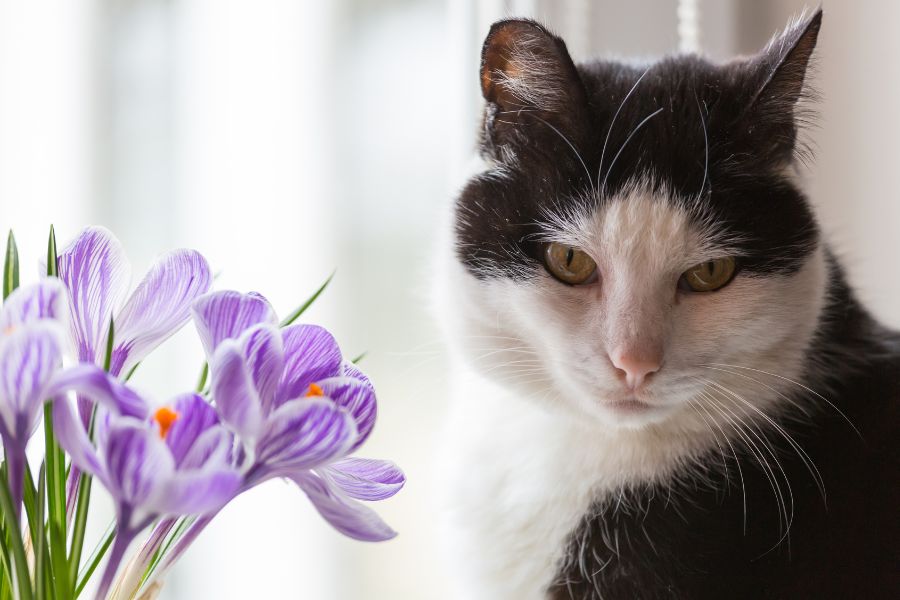
Lily poisoning in cats is a serious and potentially life-threatening issue. Many common household lilies are highly toxic to felines, and even a small exposure can cause severe kidney damage. This guide will help cat owners understand the warning signs, know which lilies are toxic to cats, and take immediate action to protect their pets. We’ll also cover treatment options, diagnostic care, prevention tips, and what to do if your cat is exposed. Knowing lily poisoning symptoms in cats can save your furry friend’s life.
Why Lilies Are Dangerous for Cats
Lilies are beautiful and popular flowers found in homes, gardens, and floral arrangements, but many are extremely toxic to cats. Unlike dogs, cats are especially sensitive to the toxins found in lilies, and even a small ingestion can trigger acute kidney failure, a condition that can be fatal if not treated promptly.
Some of the most common lilies toxic to cats include:
- Easter lilies – often given as gifts during spring holidays
- Tiger lilies – frequently planted in gardens and yards
- Daylilies – commonly used in landscaping
- Asiatic lilies – popular in bouquets and floral arrangements
Even pollen can be dangerous. Cats often groom themselves and may ingest toxic pollen that has landed on their fur. Additionally, the water in a vase containing lilies can harbor toxins. Cat owners should be extra cautious during spring and summer when flowers are more abundant.
How Cats Are Exposed to Lilies
Cats are naturally curious animals, and they may investigate anything new in their environment. Exposure can happen in several ways:
- Eating leaves or petals – even a single leaf or a few petals can be fatal
- Pollen contact – grooming after brushing against flowers
- Ingesting vase water – toxins can dissolve into the water and be harmful
- Outdoor exposure – gardens or neighbors’ yards may contain lilies
Even cats that don’t normally chew on plants can be at risk, because pollen ingestion while grooming is enough to cause poisoning.
Recognizing Lily Poisoning Symptoms in Cats
Early detection is critical. Lily poisoning symptoms in cats can appear within a few hours of exposure and may progress quickly. Common symptoms include:
- Vomiting – often the first sign of poisoning
- Loss of appetite – cats may refuse food or treats
- Lethargy or weakness – your cat may seem unusually tired or unresponsive
- Drooling or oral irritation – due to pollen or plant contact
- Changes in urination – either increased or decreased, which can indicate kidney stress
- Dehydration – dry gums, sunken eyes, and reduced skin elasticity
- Behavioral changes – hiding, restlessness, or unusual vocalizations
Even any mild symptoms you notice in your cat, call your veterinarian. Cats can appear normal initially, which is why monitoring after possible exposure is essential.
Immediate Actions if Your Cat Is Exposed
Time is critical in lily poisoning cases. Quick action can prevent permanent kidney damage or death. Here’s what to do:
- Remove the cat from the source – keep them away from lilies and pollen.
- Call your veterinarian immediately – provide details about the type of lily, amount ingested, and timing.
- Do not induce vomiting without professional guidance – in some cases, it can worsen the situation.
- Bring a sample of the plant – this helps the veterinarian confirm the diagnosis and plan treatment.
Patchogue cat owners can rely on vet hospitals like Paumanok Veterinary Hospital for immediate diagoenestic test for their cat. Many veterinarians emphasize that early action dramatically increases survival chances.
Diagnostic Care for Cats Exposed to Lilies
Upon arrival, your cat will receive diagnostic care to assess the severity of poisoning. Key steps may include:
- Blood tests – to monitor kidney function and detect early signs of damage
- Urinalysis – to check kidney performance and hydration
- Intravenous fluids – to flush toxins and maintain hydration
- Monitoring – for 24–48 hours to track kidney health and ensure stability
Even if your cat seems fine initially, lab tests are necessary because kidney failure may develop silently. Veterinarians often admit cats for observation, especially if ingestion occurred within the last 24 hours.
Treatment Options for Lily Poisoning in Cats
Treatment depends on how quickly your cat is brought in and the severity of symptoms. Common approaches include:
- Decontamination – induced vomiting or activated charcoal if ingestion was recent
- IV fluid therapy – essential to prevent kidney damage
- Monitoring – frequent blood tests to track kidney function
- Supportive care – medications to manage vomiting, dehydration, or secondary complications
Cats treated promptly often recover fully. Delayed treatment can result in permanent kidney damage or, in severe cases, death.
Long-Term Effects of Lily Poisoning
Even with treatment, severe exposure may have lasting consequences:
- Permanent kidney damage – requiring ongoing veterinary care and monitoring
- Behavioral changes – reduced appetite, lethargy, or stress
- Increased susceptibility to dehydration – careful attention during illness or stress
Early detection and treatment remain the best strategy to avoid long-term health problems.
Preventing Lily Poisoning in Cats
Prevention is always better than a cure. Here’s how to protect your feline friend:
- Do not bring lilies into your home – avoid bouquets or potted plants
- Educate friends and family – make sure gifts are safe for cats
- Check gardens and landscaping – be aware of lilies that your cat might access outdoors
- Provide cat-safe alternatives – such as roses, sunflowers, orchids, spider plants, or cat grass.
Conclusion
Lily poisoning in cats is a serious and often preventable threat. By knowing which lilies are toxic to cats, recognizing lily poisoning symptoms in cats, and acting quickly with proper diagnostic care, you can protect your cat’s health and save their life. Book a wellness visit for your cat at Paumanok Veterinary Hospital to ensure your feline friend stays safe. Awareness, prevention, and prompt veterinary attention are essential for every cat owner.
FAQs
Q1: What types of lilies are poisonous to cats?
Ans: Easter lilies, Tiger lilies, Daylilies, and Asiatic lilies are highly toxic and should never be in a home with cats.
Q2: How quickly do lily poisoning symptoms appear in cats?
Ans: Symptoms can appear within 1–3 hours, with vomiting and lethargy often being the first signs.
Q3: Can my cat survive lily poisoning?
Ans: Yes, if treated immediately. Prompt veterinary care with IV fluids and monitoring greatly improves survival rates.
Q4: Is there a safe amount of lilies a cat can eat?
Ans: No. Even small amounts, including pollen or leaves, can cause severe kidney damage.
Q5: What should I do if I suspect my cat has ingested a lily?
Ans: Remove the cat from the plant, call your veterinarian immediately, and follow instructions for diagnostic care.