If you’ve ever wondered about your dog’s tail wagging meaning, you’re not alone. Many pet owners assume a wagging tail always signals happiness, but it can actually reveal a wide range of emotions. In this guide, we’ll break down understanding dog body language, explain happy dog tail signs, and help you better interpret what your furry friend is trying to communicate.
What Does Dog Tail Wagging Really Mean?
A wagging tail isn’t just a simple sign of joy; it’s a complex form of communication. Dogs use their tails to express emotions like excitement, fear, anxiety, and even aggression.
The key to understanding your dog’s tail wagging meaning lies in observing:
- Tail position (high, neutral, or low)
- Speed of wagging
- Direction of the wag
- Overall body language
For example, a relaxed dog with a gently wagging tail and soft eyes is likely happy. But a stiff body paired with rapid wagging may signal tension or alertness.
Why Understanding Dog Body Language Matters
Dogs can’t speak, so their body language is their primary way of communicating. Misinterpreting signals can sometimes lead to stressful or even dangerous situations.
By improving your understanding of dog body language, you can:
- Prevent bites or aggressive encounters
- Recognize when your dog feels anxious or threatened
- Strengthen your bond and trust
- Respond appropriately to your dog’s needs
In areas where dogs often interact in parks and neighborhoods, correctly interpreting these signals helps ensure safe and positive social experiences.
Common Dog Tail Wagging Positions and Their Meanings
1. High and Stiff Wag
When a dog holds its tail high and wags it stiffly, it may be feeling alert, dominant, or even slightly aggressive.
What to look for:
- Erect posture
- Focused stare
- Minimal body relaxation
This isn’t one of the typical happy dog tail signs it’s more of a “stay cautious” signal.
2. Mid-Level Relaxed Wag
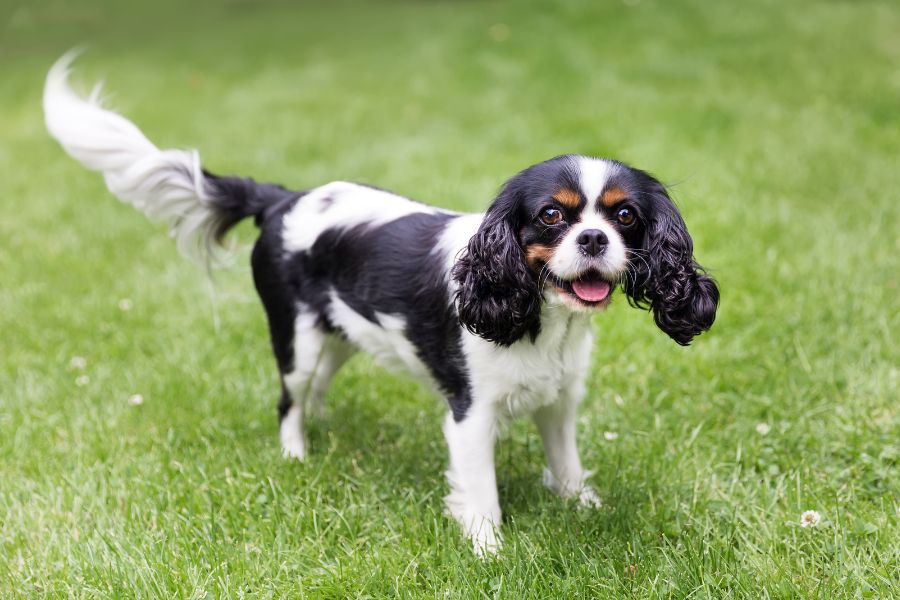
This is the most common and positive tail movement. A tail held at a natural level with a loose wag usually indicates a calm and friendly dog.
Signs include:
- Relaxed ears
- Soft eyes
- Slight body wiggle
This is a clear example of happy dog tail signs that most pet owners recognize.
3. Low or Tucked Tail
A low or tucked tail often signals fear, anxiety, or submission.
Common causes:
- Loud noises (like thunderstorms)
- Unfamiliar environments
- Stressful interactions
If your dog frequently shows this behavior, it’s worth evaluating their environment or routine.
4. Fast Wagging Tail
Speed matters. A fast wag can mean excitement—but context is everything.
- Wide, loose fast wag: excitement or happiness
- Short, tight fast wag: nervousness or agitation
Understanding these subtle differences is key to accurately interpreting the meaning of a dog’s tail wagging.
5. Slow Wagging Tail
A slow wag often indicates uncertainty. Your dog may be assessing a situation and deciding how to react.
This can happen when:
- Meeting new people
- Encountering unfamiliar dogs
- Exploring new environments
Direction of Tail Wagging: A Hidden Clue
Research suggests that the direction of a dog’s tail wag can reveal emotional states.
- Wagging more to the right: positive emotions (comfort, happiness)
- Wagging more to the left: negative emotions (fear, anxiety)
While subtle, this detail adds another layer to understanding dog body language.
How to Recognize Happy Dog Tail Signs
Every pet owner wants to know when their dog is truly happy. Here are some reliable happy dog tail signs:
- Loose, wide wagging motion
- Tail held at a natural or slightly elevated position
- Full-body wiggle or “butt wiggle.”
- Relaxed face and open mouth
When all these signs come together, you can feel confident your dog is comfortable.
Tail Wagging vs. Aggression: Know the Difference
One of the biggest misconceptions is that all tail wagging is friendly. In reality, some wagging can precede aggressive behavior.
Warning signs include:
- Stiff tail movement
- Raised hackles (fur along the back)
- Growling or intense staring
- Rigid body posture
If you notice these signs, it’s best to give the dog space and avoid sudden movements.
Factors That Influence Tail Wagging
Breed Differences
Different breeds have different tail shapes and natural positions. For example:
- Huskies often carry their tails curled upward
- Greyhounds tend to have lower tail positions
This means dog tail wagging’s meaning can vary slightly depending on breed characteristics.
Age and Personality
Puppies tend to wag their tails more enthusiastically, while older dogs may be more subtle. Personality also plays a big role; some dogs are naturally more expressive than others.
Health Conditions
Sometimes, changes in tail movement can indicate health issues.
Watch for:
- Sudden lack of tail movement
- Signs of pain when wagging
- Limp or drooping tail
These could point to injuries or conditions like “limber tail syndrome.” If you notice anything unusual, looking for nearest veterinary hospital is recommended.
When to Be Concerned About Tail Behavior
Not all tail wagging is normal. You should monitor your dog if you notice:
- Tail tucked for extended periods
- Unusual stiffness or immobility
- Signs of discomfort or whining
- Behavioral changes alongside tail movement
Pet owners in Patchogue often encounter seasonal stressors like fireworks or storms, which can temporarily affect tail behavior. However, persistent issues should not be ignored.
Tips to Better Understand Your Dog
Improving your understanding of dog body language takes time and observation. Here are some practical tips:
- Observe the whole body, not just the tail
- Pay attention to context (environment, people, other animals)
- Learn your dog’s baseline behavior
- Avoid forcing interactions when your dog seems uncomfortable
The more you observe, the better you’ll become at reading your dog’s emotional cues.
Building a Stronger Bond Through Communication
When you understand your dog’s signals, you create a deeper connection. Your dog feels safer, and you can respond more effectively to their needs.
Whether it’s recognizing happy dog tail signs or spotting early stress signals, this awareness leads to better care and a happier pet.
Conclusion
Understanding your dog’s tail wagging meaning goes far beyond recognizing happiness—it’s about decoding a full emotional language. By paying attention to tail position, speed, and overall body cues, you can better understand your dog’s feelings and respond appropriately.
If you are a dog owner in Patchogue and ever notice unusual tail behavior or signs of discomfort, the team at Paumanok Veterinary Hospital is here to help. Schedule a visit today to ensure your dog stays healthy, happy, and well understood.
FAQs
Q1: Does a wagging tail always mean a dog is happy?
Ans: No, a wagging tail can indicate excitement, anxiety, or even aggression. Context and overall body language are essential to understand the true meaning.
Q2: What are clear happy dog tail signs?
Ans: Loose, wide wagging, a relaxed body, soft eyes, and a natural tail position usually indicate a happy and comfortable dog.
Q3: Why does my dog wag its tail when nervous?
Ans: Dogs may wag their tails when nervous as a way to communicate uncertainty or appeasement. Look for other signs like a tucked tail or tense posture.
Q4: Can tail wagging indicate health problems?
Ans: Yes, sudden changes in tail movement or signs of pain may indicate injury or medical conditions that require veterinary attention.
Q5: How can I improve my understanding of dog body language?
Ans: Observe your dog regularly, consider the situation, and learn their normal behavior patterns to better interpret their signals over time.