Hot summer days can be tough on pets, especially when rising temperatures increase the risk of dehydration. Many pet owners don’t realize that dogs and cats can quickly lose fluids during outdoor walks, beach trips, or even while relaxing in a warm home without enough fresh water.
In this guide, we’ll cover the most common pet dehydration signs, including the early signs of dehydration in dogs and signs of dehydration in cats. You’ll also learn when dehydration becomes an urgent issue, how to help prevent it, and when to reach a veterinarian for professional care.
Why Hydration Matters for Pets During Summer
Water plays a critical role in your pet’s overall health. Proper hydration helps regulate body temperature, supports organ function, aids digestion, and keeps joints lubricated.
During the summer months, pets lose more fluids through:
- Panting
- Sweating through paw pads
- Increased outdoor activity
- Exposure to heat and humidity
Without enough water intake, dehydration can happen faster than many owners expect, especially in senior pets, puppies, kittens, and flat-faced breeds.
In coastal communities where pets often spend time outdoors near parks, beaches, and walking trails, staying hydrated becomes even more important.
Common Causes of Pet Dehydration
Dehydration occurs when your pet loses more fluids than they take in. While hot weather is a major factor, several other conditions can also contribute.
Common causes include:
- Hot summer temperatures
- Excessive exercise
- Vomiting or diarrhea
- Fever or illness
- Refusing to drink water
- Heat exhaustion
- Certain medications
- Kidney disease or diabetes
Even mild dehydration can make pets feel weak and uncomfortable, while severe dehydration may quickly become life-threatening.
Early Pet Dehydration Signs Every Owner Should Watch For
Recognizing dehydration early can help prevent serious complications. Many symptoms begin subtly, so it’s important to pay close attention to changes in your pet’s behavior and appearance.
Dry Nose and Gums
One of the first signs of dehydration in pets is a dry mouth.
Healthy gums should feel moist and slippery. If your pet’s gums feel sticky, tacky, or dry, dehydration may already be developing.
You may also notice:
- Dry lips
- Thick saliva
- Cracked nose texture
Loss of Energy or Excessive Tiredness
A dehydrated pet may seem unusually tired or less interested in normal activities.
Signs can include:
- Sleeping more than usual
- Slower walks
- Less interest in playtime
- General weakness
Many dogs and cats naturally slow down in summer heat, but sudden lethargy should not be ignored.
Panting and Rapid Breathing
Panting is normal for dogs after exercise, but excessive panting may indicate overheating or dehydration.
Watch for:
- Heavy panting indoors
- Difficulty calming down after an activity
- Fast breathing while resting
Cats do not commonly pant, so open-mouth breathing in cats should always be taken seriously.
Sunken Eyes
Sunken or dull-looking eyes are common signs of dehydration in dogs and cats.
You may notice:
- Eyes appearing deeper in the sockets
- Lack of normal brightness
- Tired facial expression
This symptom often appears when dehydration becomes more advanced.
Loss of Skin Elasticity
When you take your feline to a veterinary hospital, they often use the “skin tent test” to check hydration levels.
Gently lift the skin between your pet’s shoulders and release it:
- In a hydrated pet, the skin quickly returns to normal
- In a dehydrated pet, the skin stays tented or moves slowly back into place
This test can be especially helpful for identifying moderate dehydration.
Decreased Appetite
Dehydrated pets may stop eating or show less interest in food.
Some pets avoid eating because:
- They feel nauseous
- Their mouth feels dry
- They are overheated or uncomfortable
A sudden drop in appetite during hot weather should always be monitored carefully.
Signs of Dehydration in Dogs
Dogs are especially vulnerable to dehydration during summer walks, outdoor play, and trips to dog parks.
Common signs of dehydration in dogs include:
- Excessive panting
- Thick drool
- Dry gums
- Weakness
- Vomiting
- Loss of coordination
- Refusing water or food
Active breeds and dogs with thick coats may become dehydrated more quickly in the summer heat.
In neighborhoods where many owners enjoy outdoor activities with their dogs, hydration breaks are essential during walks and beach outings.
Signs of Dehydration in Cats
Cats are naturally less likely to drink water than dogs, which makes dehydration harder to notice.
Common signs of dehydration in cats include:
- Hiding more often
- Dry gums
- Sunken eyes
- Reduced grooming
- Loss of appetite
- Lethargy
- Constipation
Since cats are likely to hide their illness, even mild dehydration can become serious before symptoms are obvious.
When Dehydration Becomes an Emergency
Severe dehydration can quickly lead to organ damage, heatstroke, and other dangerous complications.
Seek immediate veterinary care if your pet experiences:
- Collapse or inability to stand
- Vomiting that won’t stop
- Severe lethargy
- Pale gums
- Rapid heartbeat
- Difficulty breathing
- Confusion or disorientation
These symptoms may indicate heat-related illness or advanced dehydration requiring urgent treatment.
How Veterinarians Treat Dehydration
A veterinarian will first evaluate your pet’s hydration level and identify the underlying cause.
Treatment may include:
- Intravenous (IV) fluids
- Electrolyte replacement
- Cooling measures for heat exhaustion
- Blood testing
- Medications for vomiting or illness
Early treatment often leads to faster recovery and prevents more serious complications.
At Paumanok Veterinary Hospital, pets receive supportive care from our reliable vet team to safely and effectively restore hydration during the hot summer months.
Tips to Keep Your Pet Hydrated This Summer
Preventing dehydration is much easier than treating it.
Simple ways to help your pet stay hydrated include:
- Provide fresh, clean water at all times
- Bring water on walks and outdoor trips
- Add extra water bowls around the house
- Avoid outdoor activity during peak heat hours
- Offer pet-safe frozen treats
- Feed moisture-rich foods when appropriate
- Keep pets indoors during extreme heat
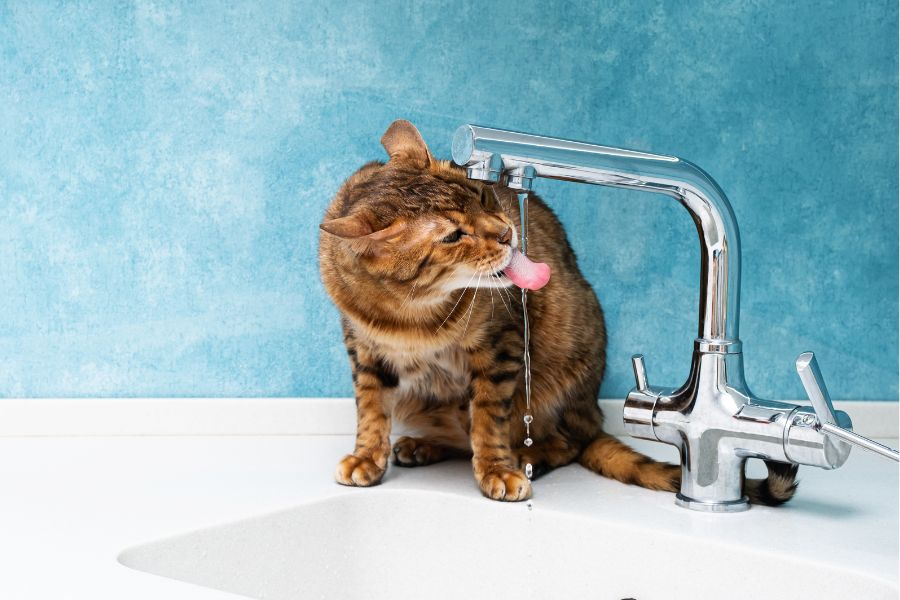
Some pets drink more water from pet fountains because moving water feels fresher and more appealing.
How Much Water Should Pets Drink?
Water needs vary based on size, age, activity level, and diet.
As a general guideline:
- Dogs typically need about one ounce of water per pound of body weight daily
- Cats generally require less, but still need consistent hydration
Pets eating canned food may naturally consume more moisture than those eating dry kibble alone.
If you notice sudden changes in water intake, it’s worth discussing with your veterinary hospital since both excessive thirst and reduced drinking can signal underlying health problems.
Summer Safety Tips to Follow for Pets
Summers can bring high humidity and rising temperatures. Pets spending time outdoors near local parks, marinas, or beaches may overheat faster than expected.
To reduce dehydration risk:
- Walk dogs early in the morning or evening
- Avoid hot pavement
- Never leave pets in parked vehicles
- Provide shaded rest areas outdoors
- Monitor brachycephalic breeds closely
Flat-faced dogs and cats often struggle more in humid weather and may need additional cooling support.
Keep Your Pet Safe and Hydrated During Hot Weather
Dehydration in pets can develop quickly during the summer, but early recognition makes a big difference. Watching for common signs of pet dehydration, such as dry gums, lethargy, excessive panting, and sunken eyes, can help you respond before the condition becomes serious.
Whether you notice signs of dehydration in dogs after outdoor play or in cats hiding quietly at home, prompt attention is important. Staying proactive with hydration and summer safety helps protect your pet’s health throughout the hottest months of the year.
If your pet is showing symptoms of dehydration or heat-related illness, book an appointment with Paumanok Veterinary Hospital serving Patchogue and nearby Long Island communities. Schedule an evaluation and get professional care for your furry companion.
FAQs
Q1: What are the first signs of dehydration in pets?
Ans: Early signs of pet dehydration often include dry gums, tiredness, panting, reduced appetite, and decreased energy levels.
Q2: How can I tell if my dog is dehydrated?
Ans: Common signs of dehydration in dogs include excessive panting, sticky gums, weakness, thick saliva, and loss of skin elasticity.
Q3: Are cats more prone to dehydration than dogs?
Ans: Yes, cats are often more prone to dehydration because they naturally drink less water and may hide symptoms longer.
Q4: When should I take my pet to a veterinarian for dehydration?
Ans: You should seek veterinary care immediately if your pet shows severe lethargy, vomiting, collapse, pale gums, or difficulty breathing.
Q5: How can I keep my pet hydrated during summer?Ans: Provide constant access to fresh water, avoid outdoor activity during peak heat, bring water on walks, and monitor your pet closely in hot, humid weather.