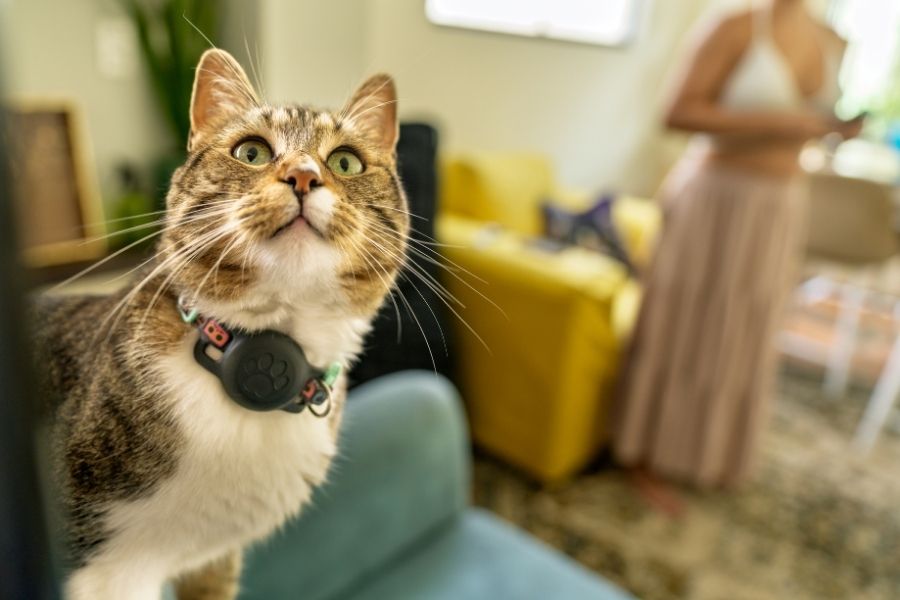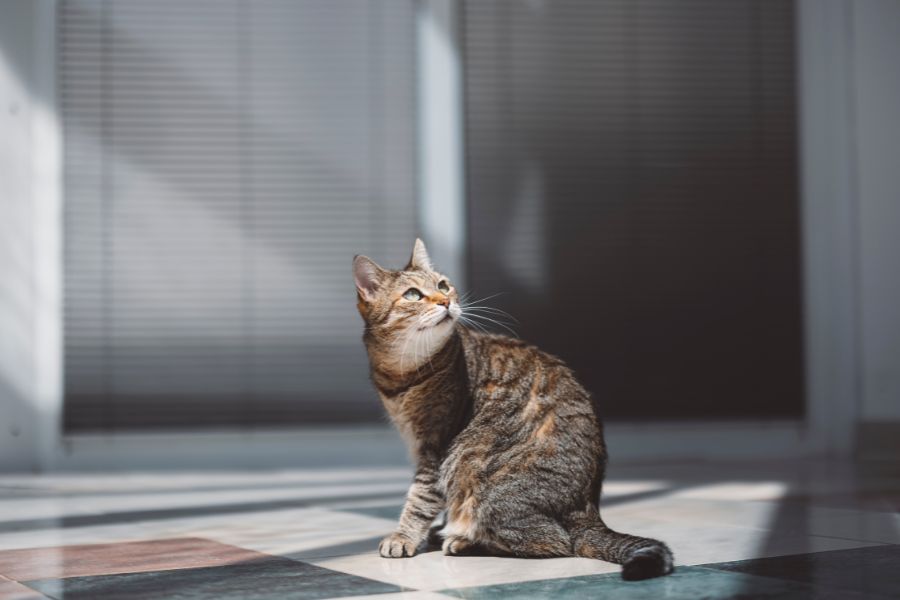
Your cat has been vocal all day. The meowing is nonstop, and you are not sure whether to worry or simply ignore it. This is one of the most common concerns cat owners bring to their veterinarian. Cat meowing too much can mean many things, and the answer is rarely simple. Sometimes a cat wants your attention or a second helping of food. Other times, that same sound is the only way your pet can tell you something is wrong. Knowing the difference could protect your cat’s health. This article breaks down the most common reasons cats meow, what patterns to watch for, and when that vocalization signals something that requires a veterinary visit.
Understanding Why Cats Meow
Cats are not naturally vocal with each other. Adult cats in the wild rarely meow at other cats. They reserve that sound almost entirely for communicating with humans. That means every meow your cat directs at you is intentional. It is a learned behavior that began in kittenhood and evolved into a communication tool.
The type, frequency, and pitch of meowing all carry meaning. A short, high-pitched chirp is very different from a long, drawn-out yowl. Soft repetitive meows around feeding time are completely normal. A sudden increase in vocalization, especially in a previously quiet cat, is a pattern worth paying attention to.
Many cats we see at our practice were brought in because their owners noticed a change in how much the cat was vocalizing. That shift is one of the most reliable early indicators that something has changed, either in the cat’s environment or in the cat’s health.
Common Behavioral Reasons for Excessive Meowing
Not every vocal cat is a sick cat. Behavioral causes account for a large portion of cases where excessive cat meowing raises concern for owners.
Common behavioral triggers include:
- Hunger or food-seeking behavior: Cats quickly learn that meowing gets them fed. This can escalate into persistent begging, especially if owners respond by giving food.
- Attention and boredom: Cats left alone for long periods may meow to engage with their owners. Indoor cats with limited enrichment often develop this habit.
- Stress or anxiety: Changes in the home, new pets, or unfamiliar visitors can cause a cat to vocalize more than usual.
- Greeting behavior: Some cats are simply chattier than others. Breeds like Siamese are genetically predisposed to high vocalization.
- Disorientation in senior cats: Older cats may meow more due to cognitive changes, particularly at night.
If your cat has always been vocal and nothing else has changed, behavioral causes are more likely. But if the meowing is new, sudden, or accompanied by other changes in behavior or appetite, do not assume it is just a habit.
Is My Cat’s Meowing a Medical Problem?
Excessive meowing can be the primary symptom of several medical conditions. If your cat is meowing more than usual, rule out these health issues before assuming it is behavioral.
Common medical causes include hyperthyroidism, which is especially prevalent in cats over age 10, chronic pain from arthritis or dental disease, high blood pressure, urinary tract infections or blockages, and sensory decline, such as vision or hearing loss. Cats are instinctively private about pain. Meowing is often the only visible sign that something is wrong.
Pet owners often tell us they assumed their older cat was just “getting grumpy” or “needy.” In several of those cases, the cat turned out to have hyperthyroidism or early kidney disease. Vocalization was the first red flag.
Hyperthyroidism alone affects an estimated 10% of cats over age 10, and increased vocalization is one of its hallmark signs. This is a condition that is highly treatable when caught early.
Signs and Symptoms to Watch For
There is a difference between a chatty cat and a cat that is trying to tell you something is wrong. Watch for these warning signs alongside increased meowing:
- Meowing at night (cat crying at night): Nighttime vocalization in cats that previously slept quietly can indicate pain, cognitive dysfunction, or a thyroid imbalance.
- Changes in eating or drinking: A cat meowing near the water bowl and drinking more than usual may have kidney disease or diabetes.
- Litter box visits with vocalization: Straining or crying in the litter box is a veterinary emergency, particularly in male cats.
- Weight loss: A cat meowing frequently while losing weight needs bloodwork promptly.
- Hiding combined with vocalization: This pairing often signals acute pain or illness.
If you notice any of these signs, contact your veterinarian promptly. The ASPCA notes that unexplained behavioral changes in cats are among the most commonly overlooked early disease indicators.
A crying at night in a senior cat should be treated as a medical concern until proven otherwise. Cognitive dysfunction syndrome in cats, similar to dementia in humans, causes disorientation and nighttime distress. It is more common than most owners realize.
How Vets Diagnose the Cause of Excessive Vocalization
Pinpointing why cats vocalize constantly requires a systematic approach. Your veterinarian will not simply guess. Here is what a typical pet wellness visit looks like:
- Full physical exam: The vet checks weight, heart rate, thyroid gland size, and pain response.
- Blood panel: This screens for hyperthyroidism, kidney disease, diabetes, and other systemic conditions.
- Urinalysis: Especially important if litter box changes are present.
- Blood pressure measurement: Hypertension is a common but underdiagnosed cause of vocalization in older cats.
- Neurological screening: For senior cats, cognitive function is assessed based on history and behavior patterns.
In New York, where many cats live exclusively indoors, environmental stressors are also a key part of the diagnostic conversation. Apartment living, multi-pet households, and owner schedule changes are all factors a vet will explore alongside physical health.
The goal is to rule out medical causes first. If the cat is physically healthy, the veterinarian will then help you develop a behavioral plan. This may involve environmental enrichment, feeding schedule adjustments, or, in some cases, behavior support medications.
Home Care and Prevention Tips
Once a medical cause has been ruled out or treated, you can take steps to reduce attention-seeking vocalization at home.
- Do not reward meowing with food: If your cat meows and you feed them, you have reinforced the behavior. Feed on a consistent schedule instead.
- Increase enrichment: Puzzle feeders, window perches, and play sessions reduce boredom-driven vocalization significantly.
- Establish a nighttime routine: A consistent bedtime routine, including playtime and a small meal, helps cats settle and reduces cat crying at night.
- Address stress triggers: If a new pet or person has recently entered the home, give your cat a dedicated quiet space to decompress.
One of the most common misconceptions we hear is that senior cats are “just getting old” when they become more vocal. Why cats vocalize constantly in their senior years is almost always tied to a specific, treatable cause. Age itself is not a diagnosis.
If your cat’s vocalization has changed and you are not sure why, Paumanok Veterinary Hospital is here to help. A single exam can give you a clear picture of what is happening and how to address it.
Conclusion
Cats are not random in their communication. A cat meowing too much is trying to tell you something, and the message is worth decoding. Behavioral causes are common and manageable. Medical causes are serious but often very treatable when caught early. The key is not to guess. Observe the full picture: the frequency, the timing, any accompanying symptoms, and whether the pattern is new. Trust your instincts as an owner, and do not wait too long if something feels off. The vet team at Paumanok Veterinary Hospital is experienced in helping cat owners understand exactly what their pets are communicating. Book an appointment today.
Frequently Asked Questions
Q: Why is my cat meowing so much all of a sudden?
Ans: A sudden increase in meowing is often linked to a medical issue such as hyperthyroidism, pain, high blood pressure, or urinary problems. If the change happened within a few days or weeks, schedule a veterinary exam to rule out a physical cause before assuming it is behavioral.
Q: Is it normal for cats to meow at night?
Ans: Occasional nighttime meowing can be normal, but persistent cat crying at night, especially in a previously quiet cat, is a concern. Senior cats may develop cognitive dysfunction that causes nighttime disorientation. A vet visit is the best way to find out what is driving the behavior.
Q: What medical conditions cause excessive meowing in cats?
Ans: Hyperthyroidism, kidney disease, diabetes, high blood pressure, chronic pain, dental disease, and cognitive dysfunction are all known to increase vocalization in cats. Blood and urine testing can identify most of these conditions quickly.
Q: How do I stop my cat from meowing for attention?
Ans: Do not respond to attention-seeking meowing with food, play, or petting, as this reinforces the behavior. Instead, reward quiet behavior and establish consistent feeding and play schedules. If the meowing is new or intense, rule out a medical cause first.
Q: At what age do cats start meowing more?
Ans: Increased vocalization in cats often begins around age 10 and older, when conditions like hyperthyroidism and cognitive dysfunction become more common. Any age-related increase in meowing should be evaluated by a veterinarian rather than attributed to aging alone.