Persian cats charm owners with flat faces and gentle eyes, but that same build hides real health risks. Their short muzzles and shallow eye sockets make breathing trouble and eye injuries more common than in other breeds. Knowing when to seek Persian cat urgent care can mean the difference between a quick fix and a serious complication. Many owners assume snoring or watery eyes are just “part of the breed.” Sometimes that is true. Other times it signals a problem building underneath the surface. This guide walks through the warning signs worth watching, what a visit involves, and how to protect your Persian’s health year-round.
What Is Brachycephalic Anatomy and Why Does It Matter
Persian cats belong to a group called brachycephalic breeds, meaning they have shortened skulls and flattened faces. This structure compresses the nasal passages, airway, and tear ducts into a smaller space than in longer-nosed cats. The result is narrower airflow and eyes that sit closer to the surface, more exposed to debris and injury.
Studies estimate that brachycephalic cats experience upper airway restriction at notably higher rates than non-flat-faced breeds. That narrower airway leaves less room for error when a cat gets stressed, overheated, or congested. Even a mild cold that a typical cat shrugs off can turn into real breathing trouble for a Persian.
Understanding this anatomy helps owners recognize that some symptoms considered normal in other cats deserve faster action in a Persian.
Signs Your Cat Needs Same-Day Cat Vet Care
Persian owners should learn to spot the following signs early:
- Open-mouth breathing — cats rarely breathe through their mouths, so this always signals distress.
- Loud, persistent snoring while awake — occasional snoring during sleep is common, but daytime noise is not.
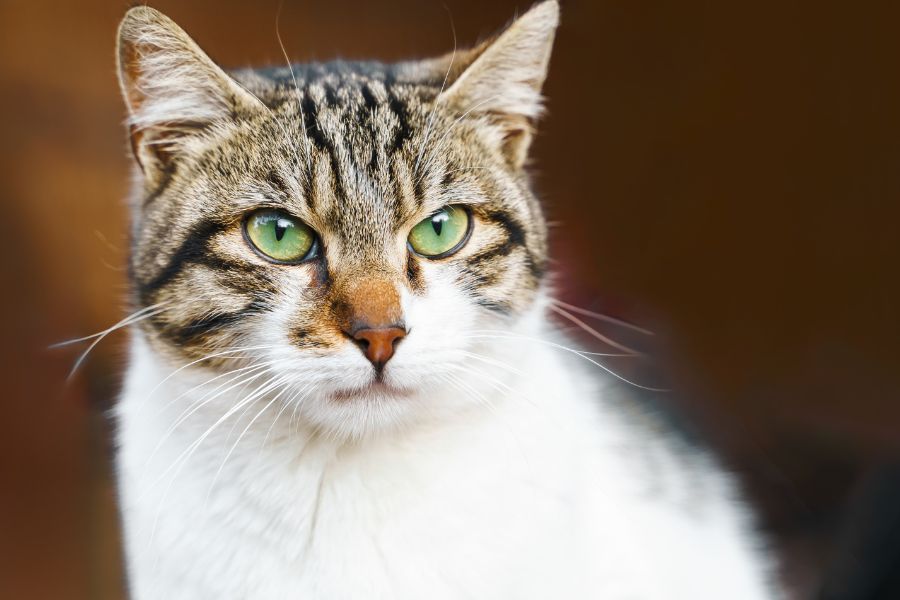
- Thick or colored eye discharge — clear tearing is typical for the breed, but yellow or green discharge points to infection.
- Pawing at the face — often means eye pain, irritation, or a foreign object.
- Sudden lethargy paired with rapid breathing — this combination should never wait until morning.
If any of these appear, treat it as one of the clearer brachycephalic cat symptoms that needs prompt evaluation, not a wait-and-see situation. In our experience, owners who call in early get the fastest, simplest resolutions.
What to Expect During a Pet Urgent Care Visit
Walking into an urgent visit for the first time can feel overwhelming, so here is what typically happens:
- Check-in and rapid assessment — staff check breathing rate and effort right away, since airway issues are prioritized first.
- Oxygen support if needed — cats in distress may rest in an oxygen-rich space to stabilize before further handling.
- Eye and airway exam — the vet examines nostrils, eyelids, and tear ducts closely, since Persian anatomy hides problems easily.
- Diagnostic imaging or staining — imaging checks the airway structure, and eye staining reveals scratches invisible to the naked eye.
- Treatment plan and home care instructions — most visits end with clear next steps, whether that is medication, cleaning routines, or a follow-up.
Pet owners often tell us that visits move faster than expected once the initial anxiety passes. Cats here in Patchogue tend to calm down quickly in a quiet, low-stimulation exam space.
Climate and Seasonal Risks for Flat-Faced Cats
Weather changes affect brachycephalic cats more than most owners realize. Humid summers can make already-narrow airways work harder, while dry winter heat irritates sensitive eyes and nasal passages. On Long Island, seasonal shifts between damp coastal air and dry indoor heating can aggravate both breathing and eye symptoms within the same year.
A common misconception is that indoor cats are immune to these seasonal effects. In reality, indoor heating and air conditioning create their own dry, dusty conditions that stress a flat-faced cat’s airway just as much as outdoor humidity. We frequently remind our clients that a simple humidifier during winter months can ease breathing and reduce eye irritation significantly.
Why Choose Us for Urgent Pet Care
When breathing or eye symptoms appear suddenly, having a trusted local clinic matters. Paumanok Veterinary Hospital has experience handling the specific challenges brachycephalic cats face, from airway distress to corneal scratches. Our team recognizes that Persian cats need gentler handling and faster triage than many other breeds, and we structure visits around that need.
Located in Patchogue, our clinic offers urgent pet care for cats and dogs showing sudden breathing changes, eye discharge, or facial pawing that will not stop. Call us at 631-475-1312 when your pet needs urgent care, and our team will guide you through next steps immediately. Many dogs and cats we see from the surrounding area arrive anxious, and our staff is trained to keep flat-faced breeds calm during exams.
How to Choose the Right Urgent Care Vet
Not every clinic has deep experience with brachycephalic breeds, so ask a few questions before you need urgent help. Confirm the clinic has handled Persian or other flat-faced cats before, and ask how they manage airway emergencies specifically. A clinic familiar with Paumanok Veterinary Hospital’s approach to gentle handling will typically explain its process clearly without hesitation.
Also consider proximity and hours. A same-day cat vet option close to home reduces stress on both you and your cat during an already tense situation. Choosing ahead of time, rather than searching mid-crisis, saves valuable minutes.
Persian cats bring warmth and personality to any home, but their unique anatomy means owners need to stay alert to breathing and eye changes that other breeds might shrug off. Learning the early signs, understanding seasonal risks, and knowing where to go for Persian cat urgent care puts you ahead of most complications. A little preparation now, from a home humidifier to knowing your closest clinic’s hours, makes a real difference later. Trust your instincts. If something seems off with your Persian’s breathing or eyes, treat it seriously rather than waiting. Book an appointment today.
Frequently Asked Questions
Q: What Are Signs of Breathing Trouble in Persian Cats?
Ans: Open-mouth breathing, loud daytime snoring, and rapid or labored breaths are the clearest signs. Any of these warrants prompt veterinary evaluation, since Persian cats have less airway room to spare than other breeds.
Q: Is eye discharge normal for Persian cats?
Ans: Clear tearing is common due to the breed’s shallow eye sockets and shortened tear ducts. Thick, yellow, or green discharge is not normal and usually signals infection or irritation needing treatment.
Q: Can stress trigger breathing problems in flat-faced cats?
Ans: Yes, stress and overheating can quickly worsen an already narrow airway. Keeping a calm environment during travel or vet visits helps reduce this risk significantly.
Q: How can I protect my Persian cat’s eyes at home?
Ans: Gently wipe tear-stained fur daily with a soft, damp cloth and watch for changes in discharge color or thickness. Any sudden pawing at the face should prompt a vet check for scratches or debris.
Q: Do all Persian cats need special breathing care?
Ans: Not every Persian develops airway problems, but their anatomy puts them at higher risk than average. Regular checkups help catch early changes before they become serious complications