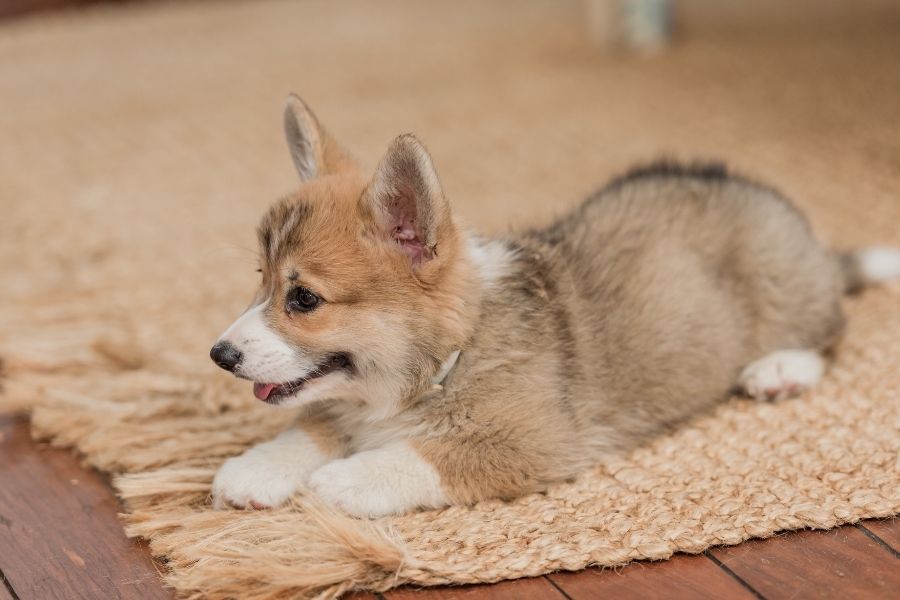
Watching a puppy struggle to catch its breath is frightening for any pet owner. Puppy difficulty breathing can range from a mild, short-lived episode to a sign of a serious underlying problem. Because young dogs have smaller airways and less developed lungs, breathing changes can escalate faster than in adult dogs. Understanding what normal breathing looks like, and what does not, helps you act quickly and confidently when your puppy needs help.
Understanding Why Puppies Struggle to Breathe
A healthy puppy at rest typically takes between 15 and 30 breaths per minute, with smooth, quiet movement of the chest. When that rhythm changes, becomes labored, or is paired with unusual sounds, something is interfering with normal airflow. This can involve the upper airway, lower airway, lungs, or even the heart.
Labored breathing in puppies is more common than many owners expect, since puppies are prone to respiratory infections, airway irritation, and congenital issues that have not yet been diagnosed. Their immune systems are still developing, which makes them more vulnerable to illnesses that affect breathing. In our experience, breathing changes in puppies tend to progress faster than in older dogs, so early attention matters.
Signs and Symptoms to Watch For
Breathing trouble does not always look dramatic at first. Watch for these signs.
- Rapid or shallow breaths. Breathing that looks quick and shallow rather than deep and steady can signal distress.
- Open-mouth breathing at rest. Puppies that pant heavily while resting or sleeping may be struggling to get enough air.
- Wheezing or high-pitched sounds. Why is my puppy wheezing is one of the most common concerns we hear, and it often points to airway narrowing or irritation.
- Blue or pale gums. This is a sign that tissues are not getting enough oxygen and needs prompt attention.
- Stretched neck or flared nostrils. Puppies working hard to breathe often extend their neck and widen their nostrils to pull in more air.
- Reluctance to move or lie down. A puppy that avoids activity or refuses to lie on its side may be trying to keep its airway as open as possible.
If you notice any of these signs, contact your veterinarian promptly.
What Causes Labored Breathing in Puppies?
Labored breathing in puppies is usually caused by an airway obstruction, a respiratory infection, fluid in the lungs, or a congenital heart or lung defect. Some causes are mild and resolve with treatment, while others require urgent diagnosis. Pinpointing the cause quickly is the safest path forward.
Common causes include kennel cough and other respiratory infections, inhaled foreign objects, allergic reactions, and structural airway issues common in short-nosed breeds. Puppy breathing problems symptoms can also stem from parasites like heartworm or lungworm, particularly in puppies with limited preventive care history. Pet owners often tell us they assumed a cough was minor, only to learn it had progressed to a lower airway infection.
How Breathing Trouble Is Diagnosed and Treated
Diagnosis usually starts with a physical exam, listening closely to the lungs and heart, and checking gum color and breathing effort. From there, your vet may recommend additional steps depending on what they find.
- Chest X-rays to check the lungs, airway, and heart size.
- Bloodwork to rule out infection, anemia, or organ involvement.
- Oxygen support if the puppy is struggling to breathe comfortably.
- Airway or throat exam if an obstruction or structural issue is suspected.
- Targeted treatment, such as antibiotics for infection or a nebulizer treatment for airway inflammation.
One of the most common questions we get is how fast treatment needs to start. In many cases, the sooner labored breathing is addressed, the more comfortable and stable the puppy becomes. We frequently remind our clients that even short episodes of open-mouth breathing at rest deserve a same-day evaluation rather than a wait-and-see approach.
When to Seek Urgent Pet Care for Your Puppy
Any puppy showing ongoing rapid breathing, blue or pale gums, extreme lethargy, or breathing effort that does not settle within a few minutes needs prompt veterinary attention. These signs can indicate a problem that will not resolve without treatment. Waiting to see if it improves on its own can allow the underlying cause to worsen.
At Paumanok Veterinary Hospital, our vet team sees puppies with sudden changes in breathing regularly, and we know how stressful those moments can be. This is exactly the kind of situation pet urgent care exists for, giving your puppy fast access to oxygen support, diagnostics, and treatment without waiting for a scheduled appointment. Call us at 631-475-1312 when your pet needs urgent care and our team will guide you through next steps right away.
Conclusion
Puppy difficulty breathing can stem from minor irritation or a more serious underlying condition, and the safest choice is always prompt evaluation. Watch closely for rapid breathing, wheezing, pale or blue gums, and reluctance to move, since these signs call for immediate action rather than a wait-and-see approach. Paumanok Veterinary Hospital is ready to help your puppy breathe easier and get back to normal. Book an appointment today.
Frequently Asked Questions
Q: Why is my puppy breathing fast while sleeping?
Ans: Rapid breathing during sleep can be normal if it’s brief, but ongoing rapid breaths at rest may signal respiratory distress and should be checked by a veterinarian.
Q: What does labored breathing look like in a puppy?
Ans: Labored breathing often includes visible chest or belly movement, flared nostrils, an extended neck, and open-mouth breathing even while resting.
Q: Can kennel cough cause breathing problems in puppies?
Ans: Yes, kennel cough can irritate the airway and lead to coughing, wheezing, and occasional breathing difficulty, especially in young or unvaccinated puppies.
Q: When should I worry about my puppy’s breathing?
Ans: Worry if breathing is rapid, shallow, noisy, or paired with pale or blue gums, since these signs suggest the puppy is not getting enough oxygen.
Q: Are certain puppy breeds more prone to breathing issues?
Ans: Yes, short-nosed breeds have narrower airways and are more prone to breathing difficulty, especially during heat, excitement, or exercise.