

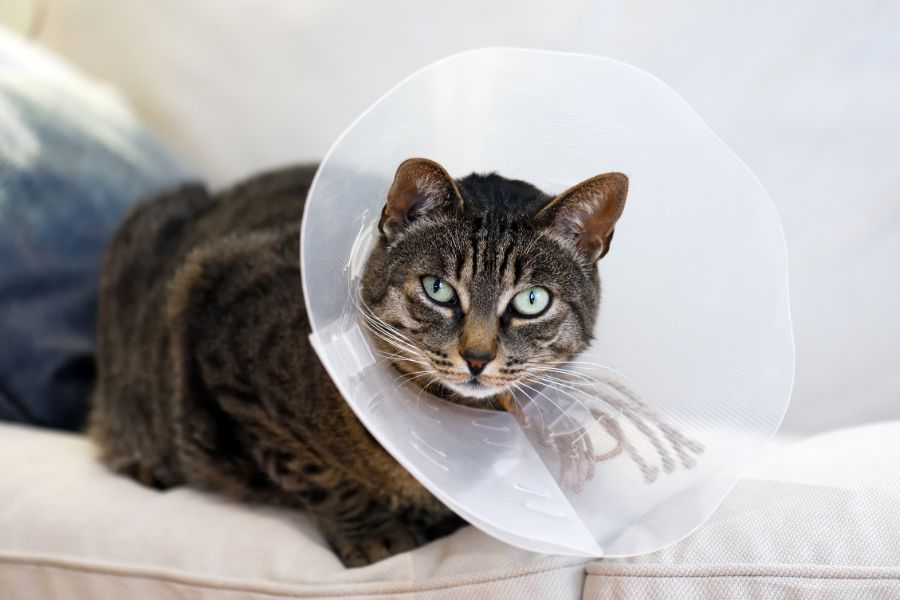
You just scheduled your cat’s spay surgery, and now a new worry is creeping in. Will she get bigger? Will she turn into a lazy, overweight cat who ignores her food bowl one minute and begs for snacks the next? Many pet owners in Patchogue ask us this exact question before their cat’s procedure. The honest answer is: yes, some female cats do gain weight after being spayed, but it is not inevitable. Understanding why it happens is the first step to preventing it. A female cat spayed bigger than her pre-surgery self is a common outcome, but only when pet owners are not prepared. This article will explain what actually changes after spaying, what signs to watch for, and exactly how to keep your cat healthy, happy, and at her ideal weight for years to come.
What Spaying Actually Does to Your Cat’s Body
Spaying is the surgical removal of a female cat’s ovaries and uterus. The procedure eliminates the hormones that drive your cat’s reproductive cycles. Those hormones, especially estrogen and progesterone, do more than regulate breeding. They also influence metabolism and energy use.
When those hormones disappear, your cat’s resting metabolic rate drops. Studies suggest that spayed cats may need up to 25 to 30 percent fewer calories than they did before surgery. Her body becomes more efficient, which sounds like a good thing, but it means she needs less food to maintain the same weight.
At the same time, her appetite can actually increase after spaying. That combination of a slower metabolism and a bigger appetite is what leads many cats to gain weight. It is not a flaw in the surgery. It is a predictable hormonal shift that you can manage with the right plan.
Does Every Female Cat Get Bigger After Being Spayed?
No. Not every female cat gets bigger after being spayed. Weight gain after spaying is common, but it is not guaranteed. The outcome depends entirely on how you respond to the changes in your cat’s needs.
Cats that are switched to a portion-controlled or post-spay formula diet right after surgery tend to maintain healthy weights. Cats that continue eating the same amount of food as before spaying are at much higher risk of gaining weight. In our experience, the cats who gain the most weight after spaying are those fed free-choice dry food with no portion limits.
Genetics and breed also play a role. Some cats are naturally more prone to weight gain than others. Your veterinarian can assess your individual cat’s risk and give you a calorie target tailored to her size and activity level.
Signs Your Spayed Cat May Be Gaining Too Much Weight
Spayed cat behavior changes can be subtle in the early weeks. Weight gain often sneaks up gradually. Here is what to watch for:
- Difficulty grooming her lower back or tail base. Cats who cannot reach these areas are often carrying excess weight.
- A rounder, fuller belly that does not firm up. Some post-surgery bloating is normal, but persistent roundness is not.
- Reduced interest in play or jumping. Extra weight puts pressure on joints and reduces activity.
- Ribs you cannot feel with gentle pressure. You should always be able to feel a cat’s ribs without pressing hard.
- Increased food-seeking behavior. Meowing at the bowl constantly or stealing food is a sign that her appetite has shifted.
If you notice any of these signs, contact your veterinarian promptly. Early intervention is far easier than reversing significant weight gain.
One of the most common questions we get from pet owners is whether a little extra weight is really a big deal. It is. Obesity in cats significantly increases the risk of diabetes, urinary problems, joint disease, and a shortened lifespan.
Cat Spay Recovery Tips That Also Prevent Weight Gain
The recovery period is actually the perfect time to set your cat up for long-term health. Here are cat spay recovery tips that support healing and prevent unnecessary weight gain:
- Switch to a spay or neuter formula food. These diets are lower in calories and formulated for the hormonal changes your cat just experienced. Make the switch gradually over 7 to 10 days.
- Start measuring meals. Move away from free-feeding. Offer measured portions twice a day based on the food label and your vet’s recommendation.
- Limit treats to 10 percent of daily calories. Treats add up fast, especially in the weeks when your cat is bored and inactive during recovery.
- Reintroduce play slowly. After your vet clears her for activity, bring back interactive toys and wand games. Physical activity supports a healthy metabolism.
- Schedule a weight check every 30 days. A quick weight recheck lets your vet catch any upward trends before they become a real problem.
The American Association of Feline Practitioners (AAFP) recommends starting weight monitoring immediately after spay surgery, not waiting until a problem is visible.
Indoor Cat Weight Management After Spaying
Many spayed cats live primarily indoors, which adds another layer to the weight management challenge. Indoor cat weight management requires both diet control and environmental enrichment. Indoor cats burn fewer calories than outdoor cats simply because they have fewer opportunities to run, hunt, or climb.
Pet owners often tell us their indoor cat seems bored after spaying. That boredom drives food-seeking behavior. Puzzle feeders are one of the best tools you can use. They slow down eating, stimulate the brain, and turn mealtime into a mini workout.
Vertical space matters too. Cat trees, wall shelves, and window perches encourage jumping and movement throughout the day. Even 10 to 15 minutes of interactive play each day makes a measurable difference in calorie burn over weeks and months.
We frequently remind our clients in Patchogue that a cat’s indoor lifestyle after spaying should be intentionally designed, not just passively managed. Small daily efforts create big long-term results.
Conclusion
A female cat spayed bigger than before is not a guaranteed outcome. It is a preventable one. Spaying is one of the best health decisions you can make for your cat. It eliminates the risk of uterine infections, reduces certain cancer risks, and removes the stress of heat cycles. The hormonal changes that follow surgery simply require a thoughtful adjustment to her diet and lifestyle. Start measuring her food, switch to a post-spay formula, bring back playtime gradually, and schedule regular weight checks with your vet. You have complete control over how her body changes after surgery. At Paumanok Veterinary Hospital, we are here to guide you through every step, from pre-surgery prep to long-term wellness care for your cat. Book an appointment today.
Frequently Asked Questions
Will my cat’s personality change after being spayed?
Ans: Most cats become calmer after spaying because the hormonal swings of heat cycles are eliminated. Some cats become more affectionate. Personality does not change dramatically, but the anxious, restless behavior associated with heat cycles typically disappears within a few weeks of surgery.
How soon after spaying can my cat gain weight?
Ans: Weight gain can begin within the first 4 to 8 weeks after spaying if diet is not adjusted. The metabolic shift happens quickly after surgery. This is why switching to a portion-controlled or post-spay diet immediately after the procedure is so important.
What should I feed my cat after spaying?
Ans: Look for foods labeled for spayed or neutered cats, or ask your vet for a specific recommendation based on your cat’s current weight and breed. These formulas are lower in calories and designed to support the metabolic changes that follow spaying. Avoid free-feeding dry food without measuring portions.
How do I know if my spayed cat is overweight?
Ans: Run your hands along your cat’s sides. You should feel her ribs easily without pressing hard. If you cannot feel her ribs, or if she has a noticeable belly pouch and a thick base at her tail, she is likely carrying excess weight. A veterinary body condition score check is the most accurate way to assess her.
At what age should I spay my cat?
Ans: Most veterinarians recommend spaying cats between 4 and 6 months of age, before the first heat cycle. Early spaying has the strongest protective benefits. Your vet will evaluate your individual cat and recommend the ideal timing based on her health and development.

