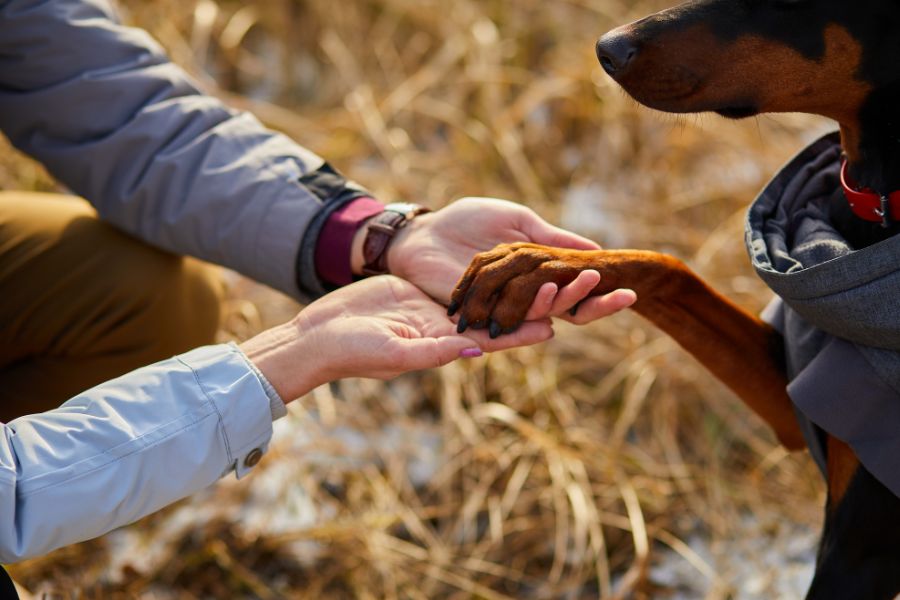
The dog-human bond is more than companionship; it’s a powerful biological and emotional connection. If you’ve ever wondered what happens when you pet a dog, the answer goes far beyond a wagging tail. Science shows that petting your dog releases feel-good hormones, lowers stress, and strengthens trust on both sides of the leash.
In this guide, we’ll explore what happens in your brain and your dog’s brain during those quiet petting moments, how this bond impacts health, and why nurturing the dog-human bond is essential for families.
What Happens in Your Brain When You Pet a Dog?
When you pet a dog, your body responds almost instantly. Within seconds, your brain begins releasing oxytocin, often called the “love hormone.” This same hormone is released between parents and babies.
Key physiological changes include:
- Reduced cortisol levels (stress hormone)
- Lower heart rate and blood pressure
- Increased serotonin and dopamine (mood boosters)
- A stronger feeling of connection and trust
Multiple studies show that even 5–10 minutes of petting a calm dog can significantly lower stress. That’s why therapy dogs are commonly found in hospitals, nursing homes, and even schools.
For many families, especially during long workdays, simply sitting on the couch and petting your dog can provide measurable stress relief.
What Happens in a Dog’s Brain When You Pet Them?
The benefits aren’t one-sided. Dogs experience similar hormonal changes.
When you pet your dog gently and consistently:
- Their oxytocin levels rise
- Their stress decreases
- Their heart rate stabilizes
- They feel safer and more secure
Dogs are highly attuned to human touch. Gentle stroking along the chest, shoulders, or back activates calming neural pathways. Over time, these repeated positive interactions strengthen the dog-human bond at a neurological level.
However, context matters. Fast, rough, or unexpected touching can increase anxiety, especially in senior dogs or rescue pets.
Why the Dog-Human Bond Is So Powerful
The dog-human bond has evolved over thousands of years. Dogs were the first domesticated animals, and over time, they developed a unique ability to read human facial expressions, tone of voice, and body language.
Unlike many animals, dogs:
- Maintain prolonged eye contact
- Respond to pointing gestures
- Mirror human emotional states
- Seek physical closeness for comfort
The bond isn’t just emotional, it’s biological and behavioral.
Health Benefits of Petting a Dog
1. Mental Health Improvements
Regular interaction with your dog can:
- Reduce anxiety and depression symptoms
- Improve mood stability
- Decrease feelings of loneliness
For seniors or individuals living alone, dogs often provide critical emotional support.
2. Cardiovascular Benefits
Research has shown that dog owners may have:
- Lower resting blood pressure
- Reduced risk of heart disease
- Improved heart rate variability
The calming effect of petting contributes directly to these outcomes.
3. Stronger Immune Function
Some studies suggest that interacting with pets may help regulate immune responses, especially in children exposed to animals early in life.
How Petting Builds Trust Over Time
Trust isn’t automatic; it’s built through repetition.
When you consistently pet your dog calmly and respectfully:
- They associate your touch with safety.
- They become more responsive to commands.
- Their overall confidence increases.
This is particularly important for rescue dogs adjusting to a new home. In Suffolk County shelters and adoption centers, gradual, positive physical interaction is often part of rehabilitation programs.
The dog-human bond deepens when your dog learns that your hands bring comfort, not unpredictability.
Are There “Right” and “Wrong” Ways to Pet a Dog?
Yes. Not all dogs enjoy the same type of touch.
Most dogs prefer:
- Gentle strokes on the chest or shoulders
- Slow scratching under the chin
- Calm, predictable movements
Many dogs dislike:
- Sudden head pats
- Hugging tightly
- Touching paws or tail without warning
Always observe body language. Signs of comfort include relaxed ears, soft eyes, and leaning into your touch. Signs of discomfort include lip licking, turning away, or stiff posture.
Understanding these signals strengthens the dog-human bond and prevents misunderstandings.
How the Bond Changes as Dogs Age
As dogs grow older, their sensory needs change. Senior dogs may:
- Become more sensitive to touch
- Develop joint discomfort
- Seek more frequent reassurance
Petting becomes less about play and more about comfort and security. A gentle massage can improve circulation and ease stiffness in aging pets. For many local families, these quiet bonding moments become even more meaningful in a dog’s later years.
Can Petting Help Reduce Behavioral Problems?
Yes, Dogs that receive consistent, positive attention are less likely to develop:
- Separation anxiety
- Excessive barking
- Destructive behaviors
However, petting should not reinforce anxious behavior. For example, excessive soothing during fear-based reactions may unintentionally reinforce fear.
The Science of Eye Contact and Touch
When you pet your dog and make gentle eye contact, oxytocin increases in both of you. This feedback loop strengthens attachment.
Unlike wolves, domesticated dogs have evolved to seek human gaze. This is one of the clearest biological indicators of the dog-human bond.
Short sessions of affectionate touch combined with verbal reassurance create powerful reinforcement pathways in your dog’s brain.
Strengthening the Dog-Human Bond
Many opportunities to deepen your relationship with your dog:
- Daily walks along the shoreline
- Calm beach outings during permitted seasons
- Outdoor cafés that welcome pets
- Structured obedience training
But the foundation remains simple: regular, calm physical interaction.
At Paumanok Veterinary Hospital, we often see firsthand how strong bonds contribute to better overall health outcomes. Dogs that feel secure with their owners are typically easier to examine, less stressed during visits, and recover more smoothly from procedures.
Simple Ways to Deepen Your Bond Today
- Spend 10 distraction-free minutes petting your dog daily.
- Learn your dog’s preferred touch zones.
- Combine petting with soft verbal praise.
- Maintain routine. Dogs thrive on predictability.
- Schedule regular wellness visits to support long-term health.
The dog-human bond isn’t built in grand gestures. It grows in consistent, small, daily moments.
Conclusion
The dog-human bond is backed by science, strengthened by touch, and nurtured through everyday interactions. When you pet a dog, both of your brains release calming hormones that build trust, reduce stress, and reinforce attachment.
From lowering blood pressure to improving emotional resilience, the benefits are real and measurable. Whether you’re walking near the Great South Bay or relaxing at home in Patchogue, those simple petting moments matter more than you might realize.
If you’d like to learn more about supporting your dog’s emotional and physical well-being, schedule an appointment with Paumanok Veterinary Hospital today. We’re here to help you strengthen that lifelong bond.
FAQs
Q1: What happens chemically when you pet a dog?
Ans: Petting a dog releases oxytocin, serotonin, and dopamine in both humans and dogs while lowering cortisol levels, reducing stress, and strengthening the dog-human bond.
Q2: Can petting a dog lower blood pressure?
Ans: Yes. Studies show that calm interaction with dogs can reduce heart rate and blood pressure within minutes.
Q3: Why does my dog lean into me when I pet him?
Ans: Leaning is a sign of trust and comfort. Your dog feels secure and is strengthening the emotional connection.
Q4: Do dogs feel love when you pet them?
Ans: Dogs experience increased oxytocin during petting, which supports attachment and bonding behaviors similar to human affection.
Q5: How often should I spend time petting my dog?
Ans: Daily interaction, even 5–10 minutes of focused, calm petting can significantly reinforce the dog-human bond and improve overall well-being.