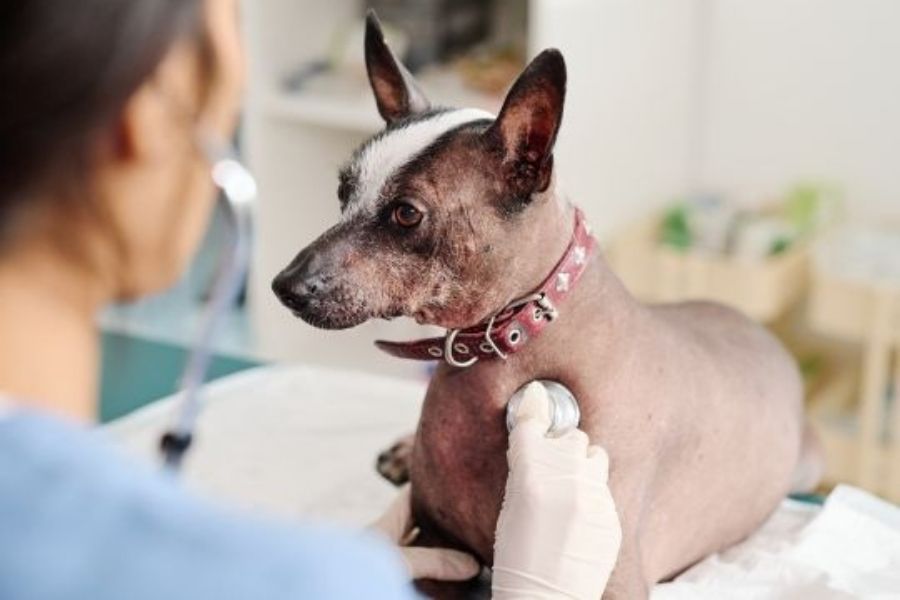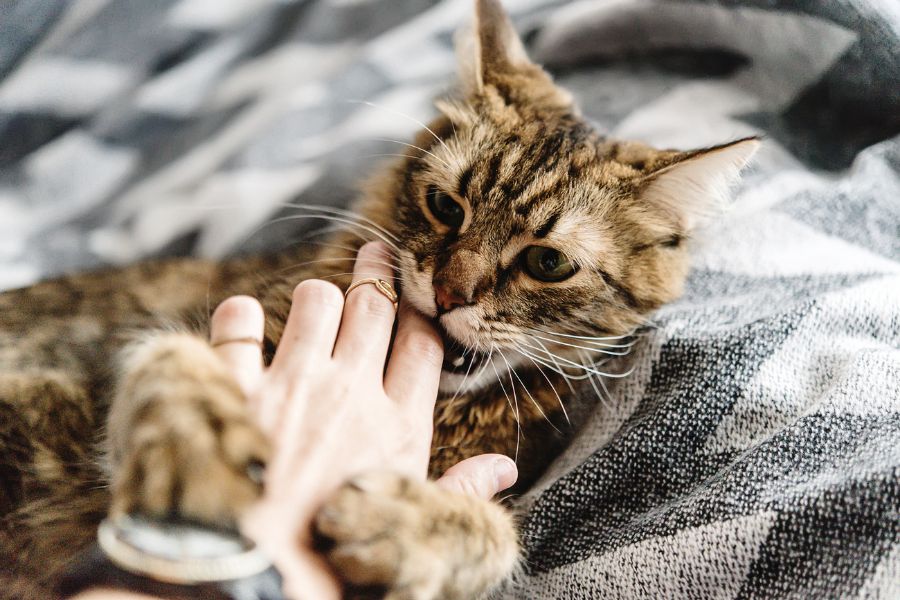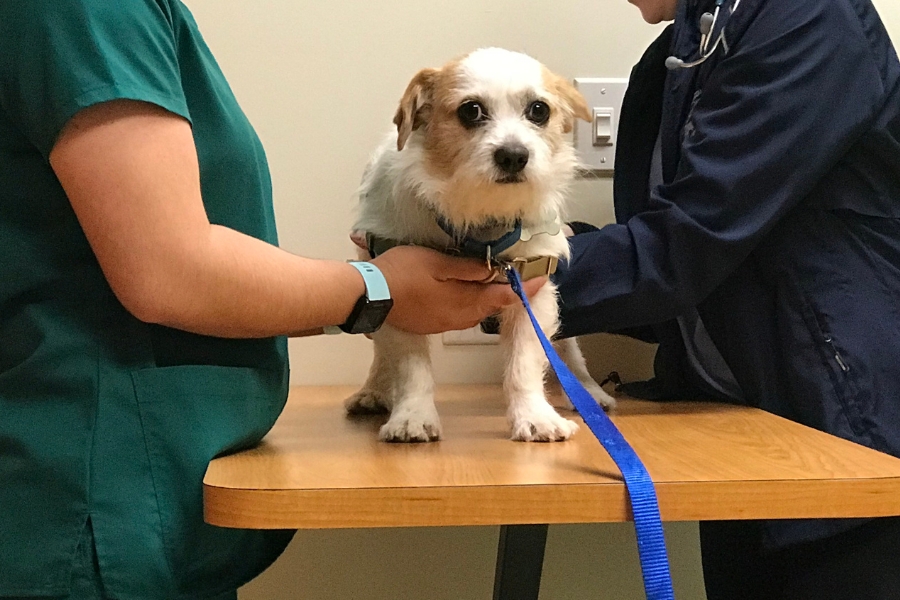
Pet anxiety at the vet is more common than many pet owners realize, and it can turn routine checkups into stressful experiences for both pets and their families. From unfamiliar smells to past negative encounters, several factors contribute to this fear. In this guide, we will explain what causes pet anxiety at the vet, how to recognize the symptoms, and which solutions, including natural remedies for pet anxiety, can help make visits calmer and safer.
What Is Pet Anxiety at the Vet?
Pet anxiety at the vet refers to stress, fear, or panic that animals experience before or during veterinary visits. While some mild nervousness is normal, severe anxiety can interfere with exams, treatments, and overall health care.
Veterinary clinics are filled with unfamiliar sounds, scents, and people. For pets, especially those who are sensitive or have had prior medical trauma, these environments can feel overwhelming. Over time, repeated stress can condition pets to react negatively the moment they sense an upcoming appointment.
Common Causes of Pet Anxiety at the Vet
Understanding the root causes of anxiety is the first step toward managing it effectively. Several factors can contribute to fear during veterinary visits.
Past Negative Experiences
Pets have strong associative memories. A painful procedure, rough handling, or extended hospitalization can leave lasting impressions, causing fear during future visits.
Unfamiliar Environment
Veterinary clinics contain unfamiliar animals, medical equipment, and disinfectant smells. These sensory changes can trigger anxiety, especially in pets that thrive on routine.
Separation From Owners
Some pets experience distress when separated from their owners, even briefly. Being led into exam rooms alone can heighten fear and uncertainty.
Lack of Socialization
Pets that were not exposed to different environments, people, or handling during early development are more likely to feel anxious in clinical settings.
Owner Stress Transfer
Pets often mirror human emotions. If an owner is anxious about the appointment, the pet may sense this tension and become more stressed.
Signs and Symptoms of Pet Anxiety
Recognizing anxiety early allows for proactive management. Symptoms can range from subtle behavioral changes to severe physical reactions.
Behavioral Symptoms
- Trembling or shaking
- Hiding or trying to escape
- Excessive vocalization, such as whining or growling
- Aggression or snapping when handled
Physical Symptoms
- Panting or drooling
- Rapid heartbeat
- Dilated pupils
- Loss of bladder or bowel control
Some pets may freeze and appear calm, but immobility can also indicate fear. Observing changes in normal behavior before appointments is often a key indicator.
Why Managing Vet Anxiety Matters
Unmanaged anxiety does more than cause temporary discomfort. Chronic stress can lead to elevated heart rates, suppressed immune function, and difficulty diagnosing health issues accurately.
Anxious pets are also harder to examine safely, which increases the risk of injury to both veterinary staff and the animal. Addressing pet anxiety at the vet improves overall care quality and strengthens trust between pets, owners, and veterinary teams.
Natural Remedies for Pet Anxiety
Many pet owners prefer gentle approaches before considering prescription medications. Natural remedies for pet anxiety can be effective when used consistently and appropriately.
Calming Supplements
Products containing ingredients like chamomile, valerian root, L-theanine, or CBD formulated specifically for pets may promote relaxation. Always consult your veterinarian before starting supplements.
Pheromone Therapy
Synthetic pheromone sprays or diffusers mimic natural calming signals. These products can be applied to carriers, blankets, or collars before visits.
Herbal Treats
Soft chews designed for stress relief can help take the edge off anxiety when given prior to appointments. These are often most effective when introduced well in advance.
Training and Desensitization Techniques
Behavioral conditioning can significantly reduce fear over time.
Happy Visits
Schedule brief visits where no exams occur. Allow your pet to explore the clinic, receive treats, and leave without stress. These positive associations can gradually replace fear.
Carrier and Car Conditioning
For cats and small dogs, leaving carriers out at home and practicing short car rides helps normalize the experience and reduce anxiety triggers.
Positive Reinforcement
Reward calm behavior with treats and praise before, during, and after visits. Consistency is key to long-term improvement.
How Veterinary Teams Help Reduce Anxiety
Modern veterinary practices increasingly prioritize fear-free care. Techniques may include gentle handling, quiet exam rooms, longer appointment times, and allowing pets to stay with owners whenever possible.
If you are searching for a vet near me who understands anxiety management, look for clinics that discuss low-stress handling, behavior-focused care, or fear-free certification.
When Medication May Be Necessary
In severe cases, natural remedies and training alone may not be enough. Short-term anti-anxiety medications prescribed by a veterinarian can help pets remain calm and safe during necessary procedures.
Medication is often used as part of a broader plan that includes behavioral training and environmental adjustments, not as a standalone solution.
Conclusion
Pet anxiety at the vet is a manageable condition with the right approach and professional guidance. By identifying triggers, recognizing symptoms early, and using a combination of training and natural remedies for pet anxiety, veterinary visits can become less stressful over time. If you are looking for compassionate care and a trusted vet near me, Paumanok Veterinary Hospital in Patchogue, NY, is committed to helping pets feel safe and comfortable. Call today to schedule an appointment and discuss personalized anxiety solutions for your pet.
FAQs
Q1: What causes pet anxiety at the vet?
Ans: Pet anxiety at the vet is often caused by unfamiliar environments, past negative experiences, lack of socialization, or sensing owner stress.
Q2: Are natural remedies for pet anxiety safe?
Ans: Most natural remedies for pet anxiety are safe when used correctly, but it is important to consult a veterinarian before starting supplements or herbal products.
Q3: How can I calm my pet before a vet appointment?
Ans: You can use calming treats, pheromone sprays, short practice car rides, and positive reinforcement to help reduce stress before visits.
Q4: Can vet anxiety get worse over time?
Ans: Yes, untreated anxiety can worsen if pets continue to associate vet visits with fear or discomfort, making early intervention important.
Q5: How do I find a vet near me that handles anxious pets?
Ans: Look for clinics that advertise fear-free techniques, low-stress handling, and personalized anxiety management plans.