Welcoming a puppy into your home is a joyful adventure filled with love and new experiences. However, caring for a young, growing dog comes with responsibilities that include regular veterinary exams. Puppy exams are vital for ensuring your puppy’s health and happiness. This comprehensive guide unpacks why these exams matter, what to expect at each visit, and how they contribute to your puppy’s long-term well-being.
Paving the Path to Health: Early Detection Matters
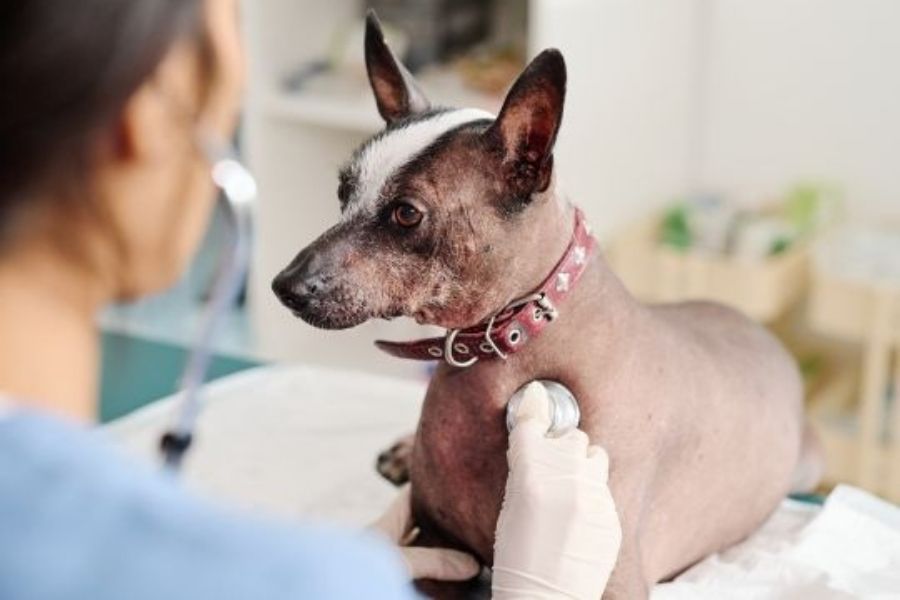
First and foremost, regular vet exams help catch health issues early. Puppies are especially vulnerable to illnesses like parasites, infections, and congenital problems. During puppy exams, veterinarians carefully evaluate growth, behavior, and overall wellness to identify any warning signs before they become serious.
By detecting health concerns early, you ensure timely treatment and reduce the risk of complications. This proactive approach gives your puppy the best chance for a healthy life.
Building Immunity Brick by Brick: Vaccinations and Preventive Care
One of the key reasons for regular visits lies in vaccinations. Puppies need a series of vaccines to develop strong immunity against diseases such as parvovirus, distemper, and rabies.
During puppy & kitten exams in Patchogue, your veterinarian will follow a tailored vaccination schedule and discuss parasite prevention like flea and tick control. This structured care not only protects your puppy but also safeguards the broader community of pets.
Growth Monitoring: Watching Your Puppy Thrive
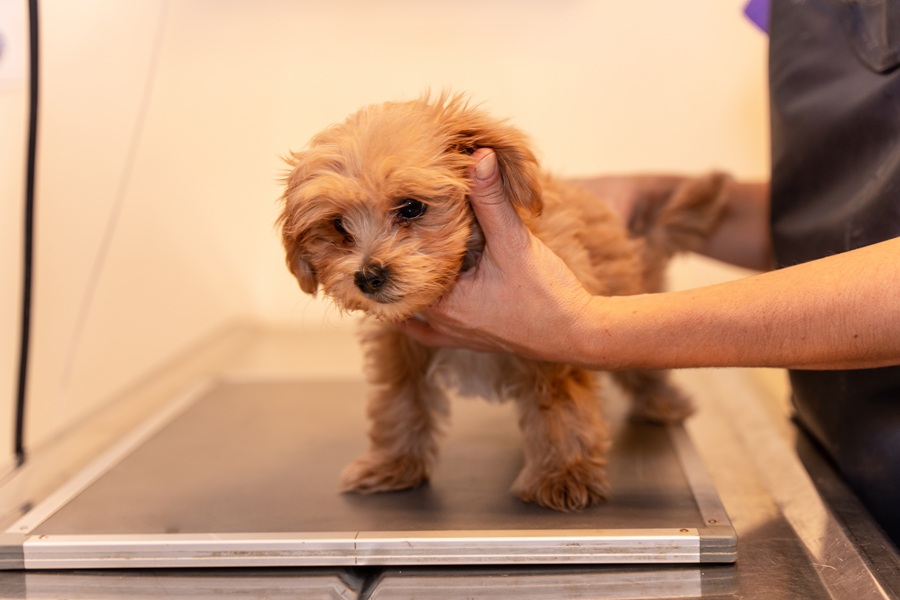
Puppies grow at a rapid pace, and not all growth patterns are healthy. Vets monitor weight, nutrition, and physical development to confirm your puppy is on the right track.
If your puppy is underweight or overweight, your veterinarian can recommend diet adjustments and exercise plans. Additionally, vets check for developmental issues such as hip dysplasia or dental abnormalities, ensuring timely interventions.
Social and Behavioral Health: More Than Physical Exams
Regular vet exams also offer a chance to discuss behavioral concerns, which often arise during puppyhood. Anxiety, chewing, or house training difficulties can be addressed with your vet’s guidance.
At puppy & kitten exams, veterinarians understand that mental health is part of total wellness. They may offer resources or referrals to trainers, helping you raise a well-adjusted and happy dog.
Building a Lifelong Partnership with Your Vet
Frequent visits help you establish a trusted relationship with your veterinarian. This bond allows for open communication and personalized care tailored specifically to your puppy’s needs.
Your vet becomes a partner in your puppy’s health journey, supporting you through every milestone from puppyhood to adulthood.
Prevention Is the Best Medicine: Long-Term Benefits of Routine Exams
Finally, regular vet exams reinforce prevention over cure. Preventative care saves you money and heartache by avoiding serious, costly illnesses later in life.
By adhering to recommended schedules for vaccines, dental care, and wellness checks, you make a positive, lasting investment in your puppy’s future health.
Frequently Asked Questions (FAQs)
Q1: How often should I bring my puppy for vet exams?
Ans. Typically, puppies visit the vet every 3 to 4 weeks until about 16 weeks old, then transition to annual checkups.
Q2: What can I expect during puppy & kitten exams in Patchogue?
Ans. Expect physical exams, vaccinations, parasite prevention, growth monitoring, and behavior discussions.
Q3: Are vaccinations painful for puppies?
Ans. Most puppies tolerate vaccines well; there may be minor soreness at the injection site, but serious reactions are rare.
Q4: Can my puppy visit the park before completing vaccinations?
Ans. It’s best to limit exposure to high-risk areas until your puppy’s vaccine series is complete, but supervised play with vaccinated dogs is usually safe.
Q5: What signs indicate my puppy needs a vet visit outside regular exams?
Ans. If your puppy shows signs like vomiting, diarrhea, lethargy, coughing, or difficulty breathing, seek immediate veterinary care.
Q6: How can I prepare my puppy for vet visits?
Ans. Gently acclimate your puppy by handling paws, ears, and mouth regularly and offer treats and praise during visits.
Regular vet exams form the cornerstone of your puppy’s health and happiness. With attentive care through puppy & kitten exams, you provide your young dog the best start in life. Remember, your veterinarian is your ally in nurturing a joyful, healthy companion who will thrive for years to come.