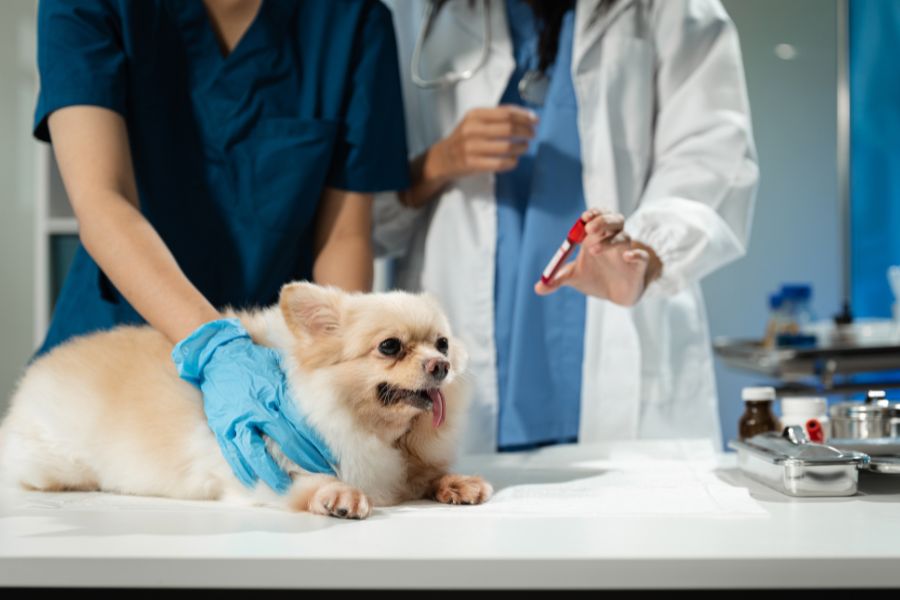
Dog vomiting can happen for many reasons — from eating something they shouldn’t to more serious health issues like infections or pancreatitis. Knowing the common dog vomiting causes helps pet parents respond quickly and keep their pets safe. This guide covers the top 10 reasons dogs vomit, signs to watch for, and when it’s time to visit a veterinary clinic near you for professional care.
Why Is My Dog Vomiting?
Seeing your dog vomit can be alarming. While occasional vomiting may result from eating too fast or minor stomach upset, frequent or severe vomiting can signal an underlying health issue. This guide explains the most common dog vomiting causes, when to seek professional help, and what you can do to help your furry friend feel better.
1. Dietary Indiscretion — Eating Something They Shouldn’t
Dogs are curious eaters. From garbage scraps to grass, their adventurous appetite can upset their stomach. This “dietary indiscretion” is one of the leading dog vomiting causes.
What to do:
- Monitor for continued vomiting or diarrhea.
- Keep trash, toxic foods, and chemicals out of reach.
- Offer bland food and water after a few hours if vomiting stops.
If your dog keeps vomiting, visit a veterinary clinic immediately.
2. Food Intolerance or Allergy
Some dogs react poorly to specific ingredients like chicken, wheat, or soy. This intolerance can lead to vomiting, gas, or itchy skin.
Solution:
Switch to hypoallergenic or limited-ingredient diets. Ask your vet about the best food for dogs with sensitive stomachs.
3. Sudden Diet Changes
Changing your dog’s food too quickly can shock their digestive system. Always transition gradually over 7–10 days by mixing old and new food.
Tip: Even if you’re upgrading to a premium formula, a slow switch prevents upset stomachs and vomiting.
4. Gastrointestinal Infections
Bacterial or viral infections—such as parvovirus or distemper—can cause vomiting, diarrhea, and dehydration. Puppies are especially at risk.
When to worry:
If vomiting is accompanied by lethargy, fever, or dog diarrhea, seek dog diarrhea treatment hospital nearby, immediately.
5. Intestinal Parasites
Roundworms, hookworms, and giardia can trigger vomiting and weight loss. You might even spot worms in the vomit or stool.
Prevention:
- Schedule routine fecal exams.
- Use monthly dewormers as prescribed by your vet.
6. Ingesting Toxins or Foreign Objects
Dogs often chew on toys, socks, or sticks—items that can cause intestinal blockage or poisoning. Symptoms include vomiting, drooling, abdominal pain, and loss of appetite.
Act fast:
If your dog may have ingested something toxic, don’t wait. Go directly to your nearest veterinary clinic for emergency care.
7. Motion Sickness
Just like people, dogs can get car sick. Anxiety and unfamiliar movement can cause nausea and vomiting during travel.
Help your pet:
- Keep car rides short initially.
- Provide fresh air or try motion-sickness medication prescribed by your vet.
8. Pancreatitis
Pancreatitis is inflammation of the pancreas, often triggered by fatty meals. Signs include vomiting, diarrhea, fever, and hunched posture.
What to do:
Avoid feeding table scraps or greasy food. Your vet may recommend IV fluids and a low-fat diet.
9. Kidney or Liver Disease
Chronic vomiting may indicate systemic illnesses such as kidney or liver disease. These conditions require bloodwork and ongoing management.
Watch for:
- Increased thirst
- Weight loss
- Bad breath or yellow gums
Early detection through regular wellness exams is key to improving outcomes.
10. Stress or Anxiety
Emotional stress can affect digestion, too. Moving homes, new pets, or loud noises may cause vomiting.
Reduce stress:
Maintain a calm environment and a consistent feeding schedule. Provide your dog with toys, exercise, and affection to keep them comfortable.
When to See a Veterinarian
Call your vet if vomiting:
- Occurs more than twice a day
- Contains blood or bile
- Is accompanied by diarrhea or lethargy
- Persists for more than 24 hours
Prompt veterinary care can prevent dehydration and diagnose the underlying issue early.
What You Can Do at Home
If your dog vomits once but appears fine afterward:
- Withhold food for 6–8 hours (not water).
- Reintroduce a bland diet—boiled chicken and rice.
- Avoid treats until your vet confirms recovery.
But remember, chronic vomiting should never be ignored.
How a Veterinary Clinic Can Help
Your vet will perform physical exams, bloodwork, and possibly imaging to identify the cause. Treatments may include:
- IV fluids for dehydration
- Medications to control nausea or infection
- Dietary management for sensitive stomachs
- Parasite control or detoxification for ingestion issues.
Vomiting in dogs is common—but not always harmless. From simple dietary mistakes to serious health problems, it’s essential to understand the cause and act fast.
If you are conveniently located in Patchogue, NY, and searching for the best veterinary clinic near me, Paumanok Veterinary Hospital is the right choice for compassionate, advanced, and reliable pet care.
FAQs
Q1: What should I do if my dog vomits but seems fine?
Ans: If your dog vomits once and acts normal, withhold food for a few hours, then offer a bland meal. If vomiting continues, call your vet.
Q2: When is dog vomiting an emergency?
Ans: Vomiting that contains blood, lasts over 24 hours, or is accompanied by diarrhea or lethargy warrants immediate veterinary attention.
Q3: Can diet cause vomiting in dogs?
Ans: Yes, poor-quality food, sudden diet changes, or allergies can cause vomiting. Ask your vet about the best food for dogs with sensitive stomachs.
Q4: How do vets treat dog vomiting?
Ans: Treatment depends on the cause and may include fluids, anti-nausea meds, or specialized diets.
Q5: Can stress make my dog vomit?
Ans: Absolutely. Anxiety, loud noises, or changes in routine can upset a dog’s stomach. Calming techniques and consistent care can help.