

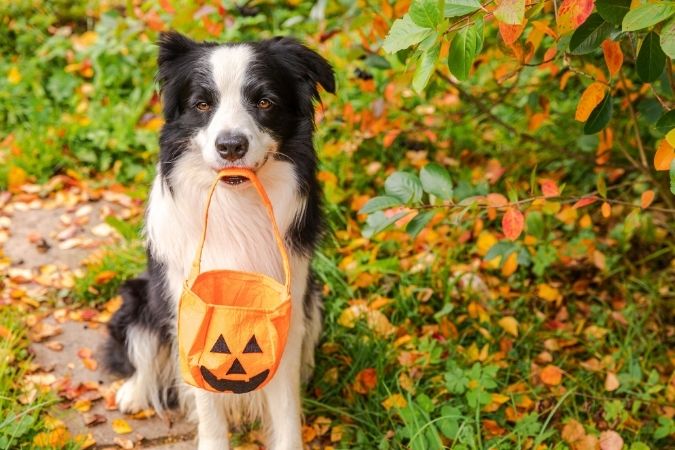
Halloween is one of the most dangerous nights of the year for dogs. Bags of candy left on counters, wrappers dropped on the floor, and well-meaning trick-or-treaters slipping a treat to the family dog create a perfect storm for accidental poisoning. Understanding which Halloween candy toxic dog situations require immediate action and which are low-risk can make all the difference. Dogs are opportunistic eaters. They don’t know the difference between a treat meant for them and a bite-size chocolate bar. Every Halloween season, veterinarians see a spike in toxicity cases that could have been prevented with a little preparation. This guide walks you through the candies that pose the greatest threat, the symptoms to watch for, and the exact steps to take if your dog gets into the candy stash.
The Candies That Pose the Greatest Danger to Dogs
Not all Halloween candy carries the same risk, but several common treats are genuinely dangerous for dogs and should never be within reach.
Chocolate is the most well-known offender. It contains theobromine and caffeine, both of which dogs metabolize far more slowly than humans. Dark chocolate and baking chocolate are the most concentrated, but milk chocolate and even white chocolate in large amounts can cause serious problems. Dental disease affects an estimated 80% of dogs over age 3, yet chocolate toxicity is the number one Halloween-related call to pet poison hotlines every year; it affects dogs of every age, every breed, and every size.
Sugar-free candies and gums are an often-overlooked threat. Many contain xylitol, an artificial sweetener that is harmless to humans but triggers a rapid release of insulin in dogs, causing blood sugar to crash dangerously fast. Even small amounts can lead to xylitol poisoning in dogs with consequences that include liver failure.
Raisins and grape-flavored candies should also be avoided completely. The toxic compound in grapes and raisins is still not fully understood, but even a small handful has caused acute kidney failure in some dogs.
Macadamia nuts, often found in mixed candy bags or novelty treats, cause weakness, tremors, and elevated body temperature in dogs within hours of ingestion.
Hard candies and lollipops pose a choking and intestinal blockage risk, especially for smaller breeds. Even if the candy itself is not chemically toxic, the stick, wrapper, or candy shell can obstruct the digestive tract.
Warning Signs After Your Dog Gets Into the Candy Bowl
Dogs rarely show remorse after stealing a treat, but their bodies often signal a problem within hours. Knowing what to look for helps you act quickly.
- Vomiting or diarrhea: One of the first signs of chocolate or raisin ingestion. Can appear within one to four hours.
- Muscle tremors or seizures: A hallmark sign of severe chocolate toxicity or xylitol poisoning in dogs at high doses.
- Extreme lethargy or collapse: When a dog seems suddenly unable to stand or respond normally, it signals a serious systemic reaction.
- Rapid or irregular heartbeat: Theobromine directly affects the cardiovascular system. If you notice your dog panting heavily and acting restless, this is a key red flag.
- Pale or yellow gums: Yellow-tinted gums can indicate liver involvement, especially after xylitol exposure.
- Loss of coordination: Wobbling, stumbling, or difficulty walking can appear with macadamia nut ingestion.
If you notice any of these signs, contact your veterinarian promptly. In our practice, we’ve seen dogs who ate candy hours earlier suddenly deteriorate once the toxic compound reached peak concentration in the bloodstream. Time matters here.
What to Do If Your Dog Eats Halloween Candy
Acting fast, and acting correctly, is critical. Here is a step-by-step guide for the moments after you discover your dog ate candy.
- Stay calm and assess the situation. Identify what your dog ate, approximately how much, and when it happened. Check the candy wrapper and search the area for evidence.
- Do not induce vomiting on your own. Unless a veterinary professional specifically instructs you to do so, attempting to make your dog vomit at home can cause additional harm.
- Call your veterinarian or a pet poison hotline immediately. Have your dog’s weight ready. The toxic dose for many substances is calculated by body weight, so this information matters. What to do if dog eats candy depends on what candy, how much, and the size of the dog.
- Bring the wrapper to your appointment. The ingredient list helps the veterinarian identify xylitol, raisins, macadamia nuts, or other hidden toxins quickly.
- Follow veterinary instructions exactly. Treatment may include induced vomiting at the clinic, activated charcoal, IV fluids, or blood monitoring depending on what was consumed.
- Monitor your dog at home after treatment. Even after a vet visit, watch for recurrence of symptoms for the next 24 to 48 hours and report any changes.
In Patchogue, NY, pet owners who come in quickly after an ingestion almost always have better outcomes. The window for effective treatment narrows significantly the longer you wait.
Why Xylitol Is the Most Underestimated Halloween Threat
Most dog owners know to keep chocolate away from their pets. Far fewer know about xylitol, and that knowledge gap is where serious accidents happen. This is the most common misconception we encounter every October: “It’s just a sugar-free candy, so it must be safer.”
The opposite is true. Sugar-free products, including certain gummy bears, peppermints, breath mints, and flavored gum often tucked into Halloween treat bags, can contain enough xylitol to cause a life-threatening drop in blood sugar within 30 minutes of ingestion. Liver failure can follow within 24 to 72 hours even in dogs that initially appeared to recover.
Read every label. If xylitol appears anywhere in the ingredient list, treat the situation as urgent. Keep dogs safe for Halloween by checking all candy bags before leaving them anywhere a dog can access, and educate children in the household not to share any Halloween treats with pets.
How to Keep Your Dog Safe This Halloween Season
Prevention is always easier than treatment. A few simple steps before Halloween night can dramatically reduce your dog’s risk.
Keep all candy in a sealed container stored out of reach, not on a coffee table or at nose level on the counter. Brief your children and any guests about the risks of sharing candy with the dog. Consider placing your dog in a quiet room during trick-or-treating hours to reduce both candy access and stress from the doorbell activity.
If your dog has a history of counter surfing or getting into things they shouldn’t, use a baby gate or exercise pen as an extra barrier. Providing a safe, species-appropriate Halloween treat, like a frozen pumpkin stuffed Kong or a dog-specific biscuit, gives them something to enjoy without the risk.
At Paumanok Veterinary Hospital, our team sees a noticeable increase in candy ingestion cases every Halloween. Knowing the risks, recognizing the symptoms, and acting quickly are the three things that matter most when Halloween candy-toxic dog situations happen in your home.
This Halloween, keep the candy stash away from your pup and have your vet’s number somewhere easy to find. A little preparation goes a long way toward keeping your dog safe through the spooky season. Book an appointment today.
Frequently Asked Questions
Q: How much chocolate is dangerous for a dog?
Ans: It depends on the type of chocolate and your dog’s size. Dark chocolate and baking chocolate are the most toxic, with even small amounts posing a risk to smaller breeds. Milk chocolate requires a larger quantity to cause toxicity, but no amount should be considered safe. Contact your veterinarian with your dog’s weight and the type and amount of chocolate consumed for a specific assessment.
Q: What should I do if my dog ate a sugar-free candy?
Ans: Check the ingredient label immediately for xylitol. If xylitol is listed, contact your veterinarian or a pet poison hotline right away, even if your dog seems fine. Xylitol can cause a dangerous drop in blood sugar within 30 minutes and liver damage within 24 to 72 hours.
Q: Can dogs eat any Halloween candy safely?
Ans: Most Halloween candy is not appropriate for dogs. Even candies that are not chemically toxic can cause vomiting, diarrhea, or intestinal blockage from wrappers and sticks. The safest approach is to give your dog a treat made specifically for pets during Halloween.
Q: Are raisins really that dangerous for dogs?
Ans: Yes. Raisins and grapes are among the most unpredictable toxins in dogs. Some dogs develop acute kidney failure after eating just a small handful, while others may show milder symptoms. Because the toxic dose is not consistent across all dogs, any raisin or grape ingestion should be treated as urgent.
Q: How do I know if my dog needs to see a vet after eating candy?
Ans: If you know or suspect your dog ate chocolate, anything containing xylitol, raisins, or macadamia nuts, contact your veterinarian immediately, even before symptoms appear. If your dog shows vomiting, tremors, pale gums, lethargy, or loss of coordination, seek prompt veterinary care without delay.

