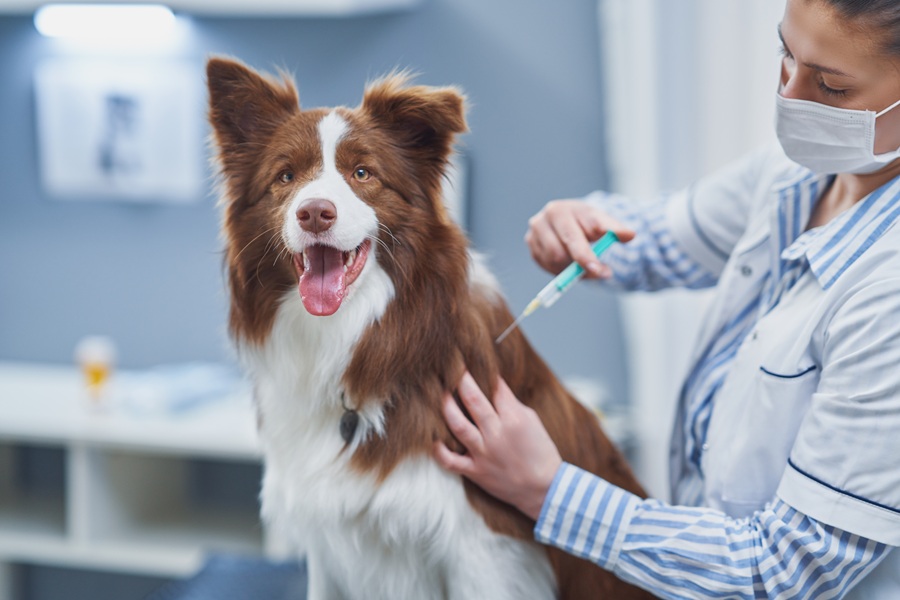
When we welcome pets into our families, we promise them love, care, and protection. One of the most powerful ways to keep that promise is through vaccinations. Vaccines act as a shield, protecting dogs and cats from life-threatening illnesses. With pet vaccinations, pet owners gain peace of mind knowing their companions are safeguarded from preventable diseases.
The Science Behind Pet Vaccines Made Simple
Vaccines train your pet’s immune system to recognize and fight off harmful bacteria and viruses. Much like in humans, this preparation means your pet is less likely to suffer from severe illnesses if exposed. Instead of facing a life-threatening infection, their bodies are ready to fight back quickly and effectively.
Core and Non-Core Vaccines: What’s the Difference?
Not all pets need the exact same set of vaccines. That’s why veterinarians separate vaccines into two categories:
- Core Vaccines – These protect against common, highly contagious, and potentially fatal diseases like rabies, parvovirus, and distemper. Every pet should have these.
- Non-Core Vaccines – These are recommended based on a pet’s lifestyle, environment, and exposure risk. For example, a cat who spends time outdoors may need extra protection compared to an indoor-only cat.
By consulting a veterinary professional specializing in pet vaccinations in Patchogue, you’ll receive guidance on which vaccines are most suitable for your pet’s needs.
Protecting Against Deadly but Preventable Diseases
Vaccinations aren’t just routine—they save lives. Unvaccinated pets are at higher risk of contracting illnesses such as rabies, parvovirus, distemper, and feline leukemia. Many of these diseases are not only dangerous but also extremely costly to treat. A simple vaccination appointment today can prevent heartache and heavy expenses in the future.
Why Your Pet’s Vaccines Protect Others Too
It’s easy to think vaccines only protect one animal at a time—but they also protect entire communities. When most pets are vaccinated, it creates herd immunity. This means fewer chances for diseases to spread among pets, including those too young or medically unable to receive vaccines. So each vaccination appointment doesn’t just protect your pet—it protects many others as well.
Timing Matters: Puppy, Kitten, and Adult Vaccination Schedules
Starting vaccinations early sets the tone for lifelong well-being.
- Puppies and Kittens receive a series of vaccines spaced out over the first few months of life.
- Adult Pets need booster shots to keep their immune defenses strong.
- Senior Pets may require tailored schedules depending on their health status.
Sticking to schedules recommended by your vet ensures maximum protection. Book regular checkups and stay consistent with pet vaccinations so your furry family member always remains up to date.
Busting Common Myths About Pet Vaccinations
Some pet owners may hesitate because they worry about side effects or think vaccines are unnecessary for indoor pets. In reality, vaccines are very safe, and side effects are usually mild, such as slight soreness at the injection site. Furthermore, indoor pets can still encounter viruses carried on shoes, clothing, or through open windows. So, vaccines truly are vital for every pet, regardless of lifestyle.
Preventing Stress: Making Vaccination Visits Easier for Pets
Trips to the vet don’t have to be stressful. You can prepare by:
- Bring a favorite blanket or toy.
- Rewarding your pet with treats afterward.
- Stay calm yourself, because pets often pick up on their owner’s emotions.
Our veterinary team will also ensure the process is quick and comfortable. At clinics offering pet vaccinations, the staff is experienced in making appointments smooth and reassuring for pets and owners alike.
FAQs About Pet Vaccinations
1. At what age should I start vaccinating my puppy or kitten?
Ans. Puppies and kittens typically start vaccinations at six to eight weeks of age, with boosters every few weeks until they are around 16 weeks old.
2. Are pet vaccines safe?
Ans. Yes, vaccines are very safe. Mild reactions can occasionally occur, but serious side effects are extremely rare compared to the dangers of unvaccinated illnesses.
3. Do indoor pets still need vaccinations?
Ans. Absolutely. Indoor pets can still be exposed to germs through other animals, contaminated items, or even insects. Vaccinations provide essential protection.
4. How often do pets need booster shots?
Ans. Most pets require annual or triennial boosters, depending on the vaccine type. Consult your vet for a customized schedule.
5. Can vaccines prevent every disease?
Ans. While vaccines prevent many dangerous illnesses, they cannot protect against all health conditions. That’s why regular check-ups remain important.
6. Where can I get reliable pet vaccinations?
Ans. Local veterinary clinics specializing in pet vaccinations provide professional and safe vaccination services tailored to your pet’s age and lifestyle.
Final Thoughts
Vaccinating your cat or dog is not just a medical decision—it’s an act of love. Vaccinations shield them from suffering, extend their lives, and protect the entire pet community. With the help of trusted veterinary professionals offering pet vaccinations, you can give your furry friend the healthy future they deserve.
Because when it comes down to it, a quick appointment today paves the way for years filled with energy, companionship, and joy.