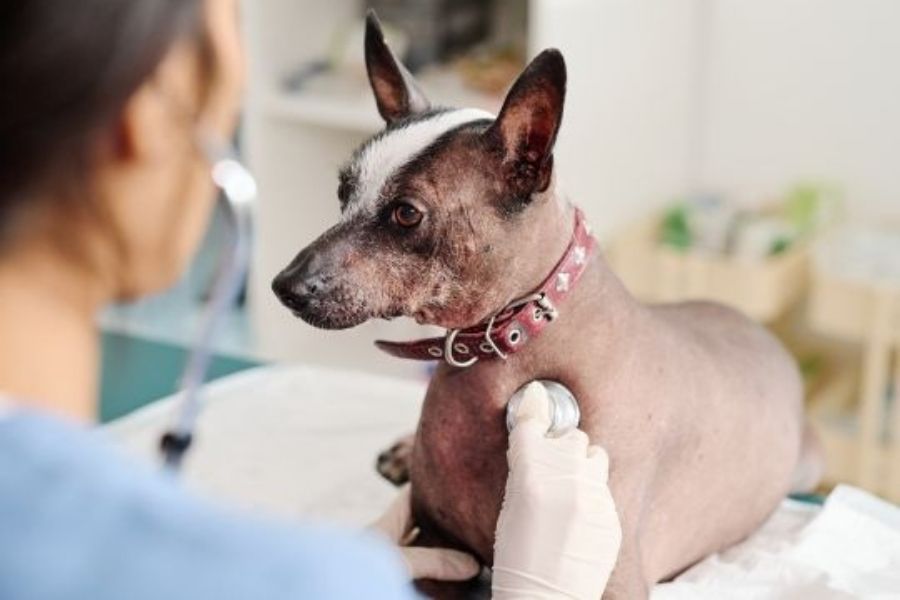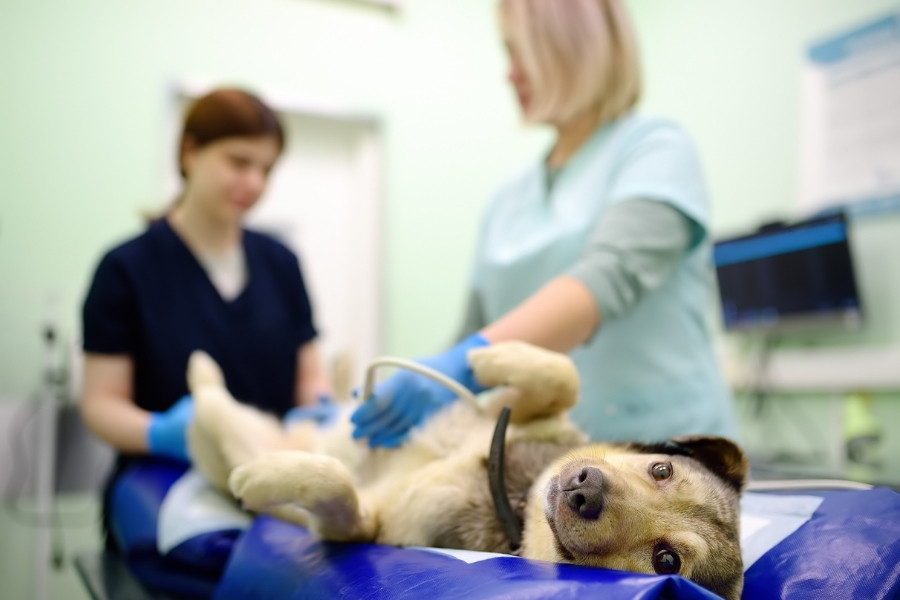
Our pets shower us with loyalty, affection, and joy. In return, we naturally strive to nurture their health for as long as possible. While feeding quality food, providing exercise, and regular love are vital, there is a pivotal component to pet care that is sometimes overlooked: diagnostic care. In Patchogue and beyond, this approach has become the gold standard for ensuring lifelong wellness and early detection of health concerns.
Why Diagnostic Care Matters
When a pet looks healthy, it’s tempting to assume all is well. However, pets are masters at hiding discomfort. Routine diagnostic care—such as bloodwork, urinalysis, and imaging—unveils what cannot be seen with the naked eye. Through these early screenings, veterinarians in Patchogue can catch diseases in their infancy, allowing for prompt and often less invasive treatments.
Even common maladies like kidney disease, diabetes, and thyroid disorders can remain silent until they are advanced. By the time symptoms appear, options may be limited. Diagnostic care pierces that veil, detecting shifts in organ function or subtle changes that reveal the true state of your pet’s health.
The Role of Baseline Diagnostics
Every pet is unique, and so are their “normal” lab values. Establishing these baselines when your companion is well is like mapping their health blueprint. Whenever something feels “off,” your vet compares new test results with the originals, pinpointing even faint trends that can signal trouble.
From kittens to senior dogs, creating these benchmarks allows diagnostic care in Patchogue to deliver personalized medicine. Whether your cat is suddenly lethargic or your dog just isn’t himself, having these baselines accelerates accurate diagnoses and tailored care.
Beyond Symptoms: Digging Deeper Than the Obvious
Sometimes pets exhibit distressing signs—vomiting here, a limp there, or persistent weight loss. In these situations, treating the symptom is simply not enough. Diagnostic care investigates the underlying cause, leading to precise and effective treatment strategies.
Suppose your dog can’t stop scratching. Is it allergies, parasites, or an underlying hormonal problem? Only thoughtful diagnostic testing can answer that question, ensuring your pet isn’t stuck in a cycle of recurring discomfort.
Ongoing Monitoring: Guarding Wellness Throughout the Years
Life is dynamic, and so is your pet’s health. As they age or if they have chronic conditions, regular diagnostic care maintains a protective watch over their well-being. For pets with diabetes or heart issues, scheduled bloodwork and checkups allow vets to tweak medications or recommend lifestyle changes before complications arise.
This proactive vigilance means peace of mind for families and more joyful, energetic years for pets.
Wellness Exams Reimagined: More Than Just a Check-Up
A modern wellness exam is more than a nose-to-tail look-over. Thanks to diagnostic care in Patchogue, your pet’s routine visit transforms into a comprehensive assessment. Vets examine everything from organ function to parasite exposure, creating a broad and detailed portrait that guides recommendations for nutrition, dental care, and even breeding decisions.
Think of it as giving your furry friend a yearly “health passport,” stamped and validated by science.
Building Trust
Diagnostic care isn’t just about numbers on a page. It’s about building a relationship of trust—with your veterinarian and with your pet. Open communication, transparent results, and a focus on comfort turn each visit into a collaborative journey toward wellness.
The compassionate veterinary teams in Patchogue know that every paw print is precious. They treat your pets as your companion whose health deserves to be safeguarded with the best tools modern medicine has to offer.
FAQs: Diagnostic Care & Your Pet’s Wellness
1. What types of diagnostic tests are most commonly recommended for pets?
Most vets recommend bloodwork, urinalysis, fecal exams, and, when needed, X-rays or ultrasound. These tests form the backbone of comprehensive pet wellness evaluations.
2. How often should my pet have diagnostics done?
Healthy adult pets should undergo routine tests at least once a year. Seniors or pets with chronic issues may require more frequent monitoring.
3. Can diagnostic care really catch diseases before symptoms appear?
Absolutely. Early screenings uncover subtle changes long before obvious symptoms develop, often leading to better outcomes and less invasive treatment.
4. Will my pet need to be sedated for diagnostic tests?
Most basic tests, like blood draws or urinalysis, require no sedation. Advanced imaging or specific procedures might need mild sedation for your pet’s comfort.
5. Why is “baseline” testing important if my pet seems healthy?
Baseline testing allows your veterinarian to understand your pet’s normal values. When changes occur over time, they can spot deviations sooner and react quickly.
6. How is diagnostic care different in Patchogue?
Veterinary clinics in Patchogue embrace state-of-the-art diagnostics and tailor their approach to your pet’s individual history, lifestyle, and risk factors, offering truly personalized wellness care.
Diagnostic care in Patchogue is more than a service—it’s a promise to safeguard the well-being of your beloved companion. Through early detection, personalized plans, and ongoing support, you’re giving your pet the best chance at a long, vibrant, and joyful life.