Bringing a new pet to the vet for the first time can feel overwhelming. Many first-time pet owners walk through our doors unsure of what will happen and nervous about how their pet will react. A pet wellness exam vet visit is one of the most important steps you can take for your animal’s long-term health. It sets a baseline for their well-being and gives your veterinarian the information they need to catch problems early. Most issues we find during a first wellness exam, including parasites, dental concerns, and early weight problems, are completely manageable when caught at the right time. This guide walks you through exactly what happens, how to prepare, and why skipping that first visit can cost your pet more than just good health. You will leave feeling confident and ready.
What Is a Pet Wellness Exam and Why Does It Matter
A veterinary wellness exam is a full nose-to-tail physical evaluation of your pet. It is not just for sick animals. The goal is to assess your pet’s overall health before any obvious problems develop.
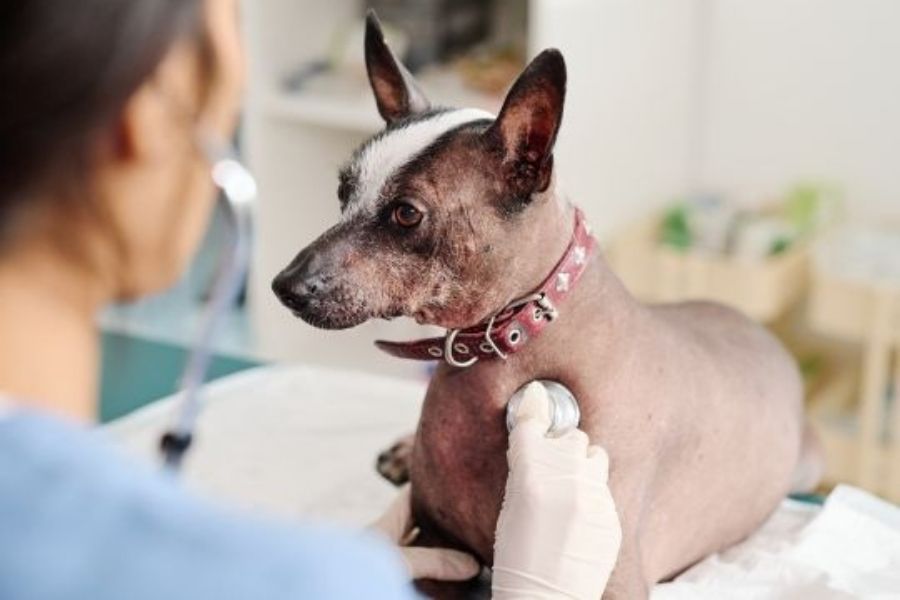
During a wellness exam, your vet checks your pet’s eyes, ears, teeth, coat, skin, heart, lungs, abdomen, and limbs. They also review your pet’s weight and note any early signs of concern. Dental disease affects an estimated 80% of dogs and 70% of cats over the age of three, and most of those cases begin before any visible symptoms appear.
What vets check at wellness exam visits goes beyond the physical. Vets also review your pet’s diet, lifestyle, and behavior to build a full picture of their health. This is preventive medicine at its most effective.
Signs Your New Pet Is Ready for Their First Visit
You do not need to wait for something to go wrong. First vet visit tips from most veterinary associations recommend scheduling within the first few days of bringing a new pet home.
Watch for these signs that your pet needs to be seen right away:
- Lethargy or lack of energy. Puppies and kittens are naturally playful. If yours is not, something may be off.
- Changes in appetite. Refusing food in the first 24 hours is common. Beyond that, have your pet evaluated.
- Coughing, sneezing, or discharge. These can signal respiratory infections that spread quickly in young animals.
- Loose stools or vomiting. Digestive upset can indicate parasites, dietary intolerance, or infection.
- Scratching, hair loss, or skin irritation. These are early signs of parasites, allergies, or fungal conditions.
Even if none of these apply, scheduling that first appointment within the first week is always the right call. In our experience, pets that receive early baseline exams tend to have better long-term health outcomes.
What Happens During Your Pet’s First Wellness Exam
Here is a step-by-step look at what you can expect when you arrive:
- Check-in and weight. Your pet is weighed, and a technician records their vitals. This creates a baseline for all future visits.
- Medical history review. You will share where you got your pet, what they eat, and any concerns you have noticed.
- Head-to-tail physical exam. The veterinarian examines your pet systematically from nose to tail, checking every major body system.
- Parasite screening. A fecal sample tests for internal parasites like roundworms, hookworms, and Giardia. Many pets carry parasites without visible symptoms.
- Vaccine review. Your vet will recommend a vaccine schedule appropriate for your pet’s age, lifestyle, and risk level. The AAHA provides vaccination guidelines updated regularly for dogs and cats.
- Nutritional and behavioral counseling. You will receive personalized guidance on feeding, exercise, and training basics.
- Discussion of spay/neuter options. For young pets, your vet will outline the recommended timing and benefits.
- Next steps and scheduling. You leave with a clear follow-up plan.
Pet owners often tell us that they were surprised by how thorough the exam was. Most visits take about 30 to 45 minutes. Come prepared with any prior vet records and a fresh fecal sample collected that morning.
Pet Preventive Care Benefits Every Owner Should Understand
One of the most common questions we get from new pet owners is whether wellness exams are really necessary when a pet seems healthy. The answer is always yes. Pet preventive care benefits are most visible over time, not immediately.
Catching a heart murmur, a parasitic infection, or an early weight issue at six months old is far less expensive and less stressful than treating the advanced version of those conditions at age five. Studies consistently show that pets receiving annual wellness care live longer, healthier lives than those seen only when ill.
A widespread misconception is that indoor pets do not need regular exams. We see this often with cats in particular. Even strictly indoor cats can develop dental disease, obesity, diabetes, kidney disease, and behavioral issues that a wellness exam helps detect early. The AVMA recommends annual wellness visits for all pets, regardless of whether they go outdoors.
How to Prepare for Your Pet’s First Wellness Visit
First vet visit tips from our team focus on keeping your pet calm and your visit efficient.
Here is what to do before you arrive:
- Collect a fresh fecal sample that morning and store it in a sealed container.
- Bring any vaccine or deworming records from the breeder, shelter, or previous vet.
- Write down any behavioral or physical concerns you have noticed, even small ones.
- Avoid feeding your pet a large meal right before the visit to reduce the chance of nausea.
- For cats, place the carrier out a few days in advance so it becomes a familiar space.
For puppies and kittens, the puppy-kitten checkup visit sets the tone for all future veterinary care. Pets that have early, positive experiences at the vet are significantly easier to examine and treat throughout their lives. We recommend bringing a few high-value treats to reward calm behavior during and after the exam.
At Paumanok Veterinary Hospital, we take extra time with first-time patients. We want both you and your pet to feel comfortable from the very first visit.
Conclusion
Your pet’s first wellness exam is one of the most valuable investments you can make in their health. It establishes a medical baseline, identifies early concerns, and builds a relationship between your pet and their care team. A pet wellness exam vet visit does not need to be stressful. With the right preparation and a team you trust, it becomes a routine part of responsible pet ownership. Pets that receive consistent preventive care live longer and experience fewer serious health problems over time. Puppies and kittens especially benefit from early exams because their first months set the foundation for a lifetime of well-being. Do not wait for a problem to appear before calling your vet. Your pet deserves a healthy start. Book an appointment today.
Frequently Asked Questions
How old should my pet be for their first wellness exam?
Ans: Puppies and kittens should have their first wellness exam as soon as possible after you bring them home, ideally within the first three to seven days. Most breeders and shelters recommend an exam within 72 hours. Adult rescue pets should be seen within the first week of adoption to establish a health baseline.
What should I bring to my pet’s first vet appointment?
Ans: Bring any prior vaccination or deworming records, a fresh fecal sample collected that morning, and a list of any concerns you have noticed. If your pet is on any supplements or medications, bring those along or note the names and dosages. Having this information ready helps your vet provide the most thorough care possible.
How long does a first wellness exam usually take?
Ans: Most first wellness exams take between 30 and 45 minutes. First visits are often longer than routine annual checkups because your veterinarian is gathering a complete history, conducting a thorough physical evaluation, and taking time to answer your questions. Plan accordingly and avoid scheduling it on a rushed day.
Will my pet need vaccines at their first wellness visit?
Ans: In most cases, yes. Your veterinarian will review your pet’s current vaccine status and recommend any vaccines appropriate for their age, species, and lifestyle. Vaccination schedules vary based on individual risk factors, so your vet will create a personalized plan. Never skip the vaccine discussion, even if you think your pet is already protected.
Is a wellness exam different from a sick visit?
Ans: Yes. A wellness exam is a scheduled preventive checkup for a healthy pet. A sick visit is an unscheduled appointment for a pet showing symptoms of illness or injury. Wellness exams follow a structured head-to-tail evaluation and include preventive services like parasite screening and vaccines. Sick visits are focused on diagnosing and treating a specific concern.