The diagnosis of chronic kidney disease (CKD) in your beloved feline companion can feel overwhelming. The term “chronic” itself carries a weight, suggesting a long-term journey with an incurable condition. However, while CKD is progressive, it is crucial to remember that with proactive management and unwavering care, you can significantly improve your cat’s quality of life and extend their time with you. This isn’t the end; it’s the beginning of a new chapter where careful attention and compassionate care take center stage.
Understanding Chronic Kidney Disease in Cats
Understanding CKD is the first step. In essence, CKD means your cat’s kidneys are gradually losing their ability to filter waste products from the blood, regulate hydration, produce essential hormones, and maintain electrolyte balance. Various factors, including age-related degeneration, genetic predisposition, infections, or toxins, can cause this decline. While we can’t reverse the damage, we can certainly slow its progression and alleviate its symptoms.
The Vital Role of Veterinary Guidance
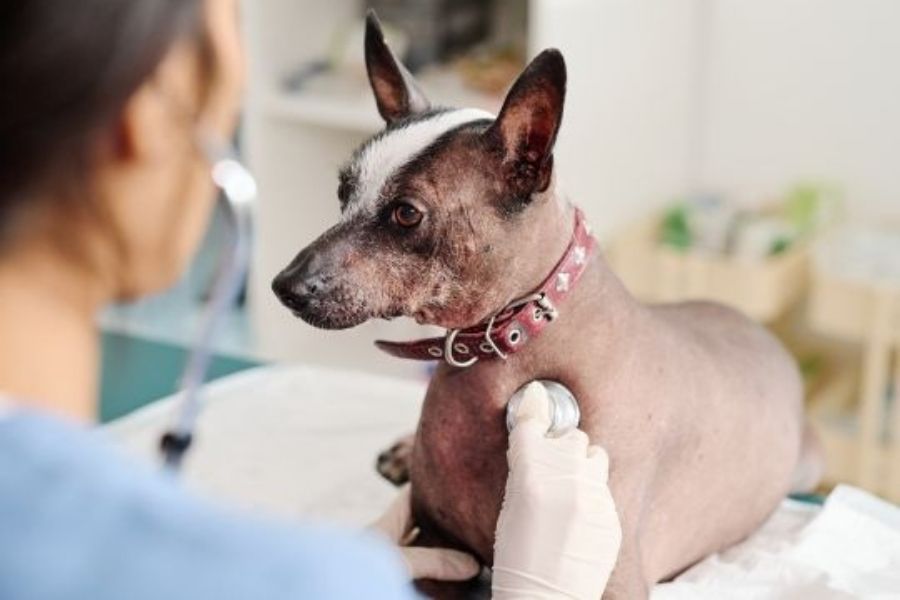
Working closely with your nearest veterinarian is paramount. Regular check-ups, including blood tests (measuring creatinine, BUN, phosphorus, and SDMA) and urine analysis, are essential for monitoring the disease’s progression and adjusting the treatment plan accordingly. Your veterinarian will guide you on the specific stage of chronic kidney disease (CKD) your cat is in and recommend tailored interventions.
Dietary Management: Fueling Kidney Health
One of the cornerstones of managing chronic kidney disease (CKD) is effective dietary management. Special renal diets, typically lower in protein, phosphorus, and sodium, and often supplemented with omega-3 fatty acids, can significantly reduce the workload on the kidneys and help manage symptoms. These diets are formulated to be palatable, but transitioning your cat gradually is key to avoiding food aversion. Your veterinarian can recommend the best options for your cat’s individual needs.
Hydration is Key: Keeping Kidneys Functioning
Maintaining adequate hydration is another critical aspect. Dehydration can exacerbate kidney damage. Ensure your cat has access to fresh, clean water at all times. Consider offering multiple water sources, such as different types of bowls (ceramic, stainless steel, glass), a pet water fountain, or even adding moisture to their food with low-sodium broth or wet food. Subcutaneous fluid administration, given at home under your vet’s guidance, can be a game-changer in keeping your cat well-hydrated, especially as the disease progresses.
Medications and Supplements: Managing Complications
Beyond diet and hydration, several medications and supplements can help manage specific complications of chronic kidney disease (CKD). Phosphate binders can help control high phosphorus levels, which are common in chronic kidney disease (CKD) and can contribute to further kidney damage. Medications for nausea and vomiting can improve your cat’s appetite and comfort. Erythropoietin-stimulating agents might be prescribed to address anemia, another potential complication. Always administer medications exactly as prescribed by your veterinarian.
Creating a Comfortable and Supportive Environment
Creating a comfortable and stress-free environment is also crucial. Cats with chronic kidney disease (CKD) may experience increased fatigue and sensitivity to stimuli. Please provide them with warm, comfortable resting places, ensure easy access to their litter box, food, and water, and avoid sudden changes in their routine. Gentle handling and minimizing stress can significantly improve their overall well-being.
Monitoring Quality of Life: A Continuous Assessment
It is essential to monitor your cat’s health daily. Observe if they are eating and drinking well, how much energy they have, their bathroom habits, and their overall mood. Writing these things down can help you and your vet keep track. This information helps the vet ensure that your cat’s treatment is effective and that they are comfortable.
Caring for a cat with long-term kidney problems can be challenging. There will be good days and bad days. Be patient with your cat and yourself. Be happy about the little things, like when your cat eats well or wants to play. Your vet is there to help, and talking to other pet owners with cats who have kidney disease can also be helpful. Keeping your pet and family safe during this time is essential. Remember that your love and care are making a big difference in your cat’s life, helping them feel better and giving you more time together. You’re doing a great job making their remaining time happy and peaceful. Book an appointment today.