Caring for your pet after a procedure can feel overwhelming, but proper care after surgery is the key to a smooth and stress-free recovery. Whether your cat has undergone a minor procedure or major veterinary surgery, knowing what to expect and how to help can make all the difference.
In this guide, we’ll walk you through 10 essential steps for post-surgery cat recovery, including monitoring healing, managing pain, and preventing complications. If you’re a pet parent, this article will help you confidently support your cat during recovery and understand typical cat surgery recovery time.
Why Proper Cat After Surgery Care Matters
After any veterinary surgery, your cat’s body needs time and support to heal. Cats are naturally good at hiding discomfort, which makes post-surgical care even more critical.
Proper care helps:
- Prevent infections
- Reduce pain and stress
- Speed up healing
- Avoid costly complications
Even routine procedures like spaying or dental work require careful monitoring at home.
Step 1 – Create a Quiet, Comfortable Recovery Space
Your cat needs a calm environment to rest and recover. After surgery, they may feel groggy, anxious, or disoriented.
Set up a recovery area with:
- A soft, clean bed
- Low lighting
- Minimal noise and activity
- Easy access to food, water, and litter
In busy households, it’s especially important to keep children and other pets away during the first few days.
Step 2 – Monitor Your Cat Closely
Careful observation is a major part of cat after surgery care. Keep an eye on your cat’s behavior and physical condition.
Watch for:
- Normal breathing and movement
- Alertness returning after anesthesia
- Eating and drinking habits
- Litter box use
If your cat seems overly lethargic or unresponsive beyond 24 hours, contact your vet immediately.
Step 3 – Follow Medication Instructions Exactly
Pain management is essential for post-surgery cat recovery. Your veterinarian may prescribe medications such as pain relievers or antibiotics.
Important tips:
- Give medications exactly as directed
- Never skip doses
- Avoid giving human medications
- Watch for side effects like vomiting or diarrhea
If you’re unsure about dosing, always consult your veterinary clinic before making changes.
Step 4 – Prevent Licking or Chewing of the Surgical Site
Cats instinctively lick wounds, but this can lead to infections or reopened stitches.
Use protective measures like:
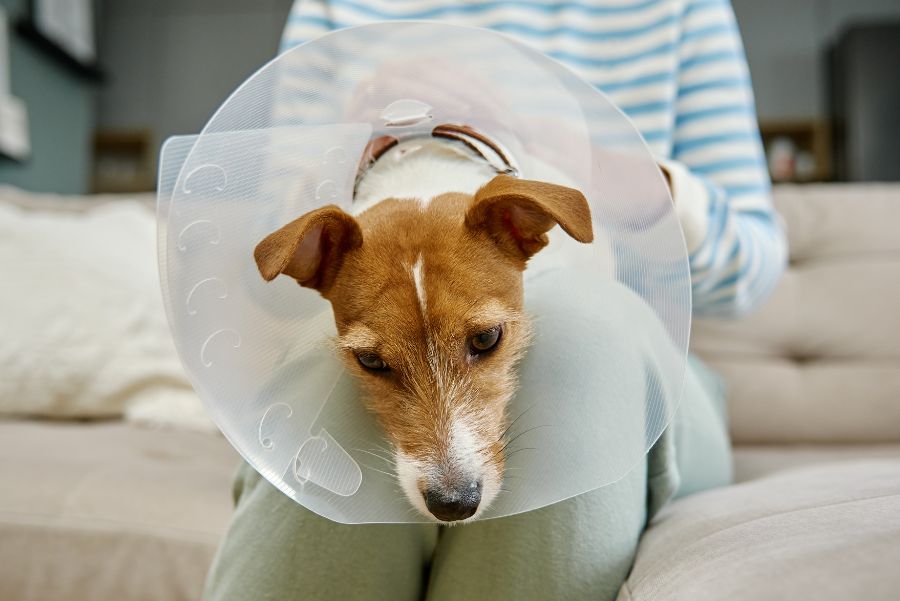
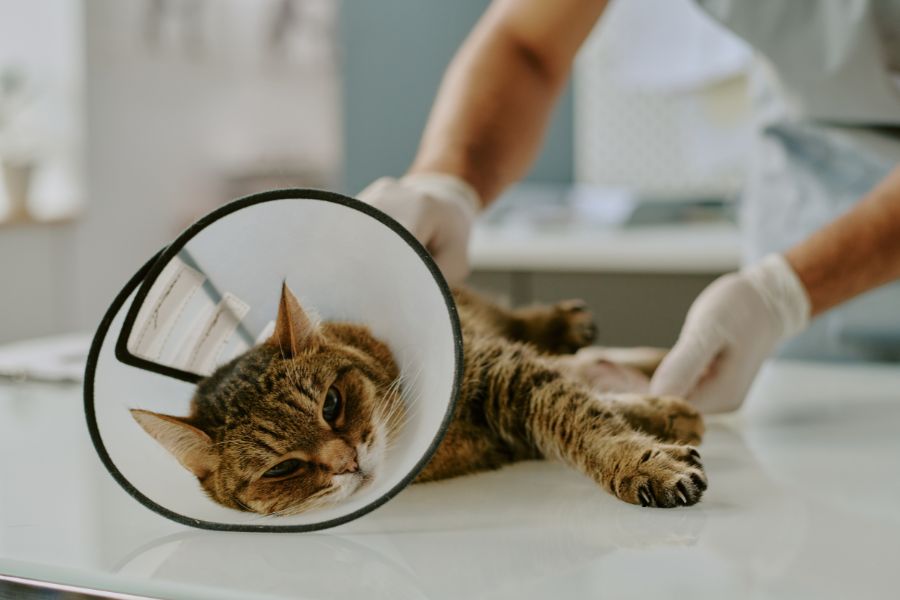
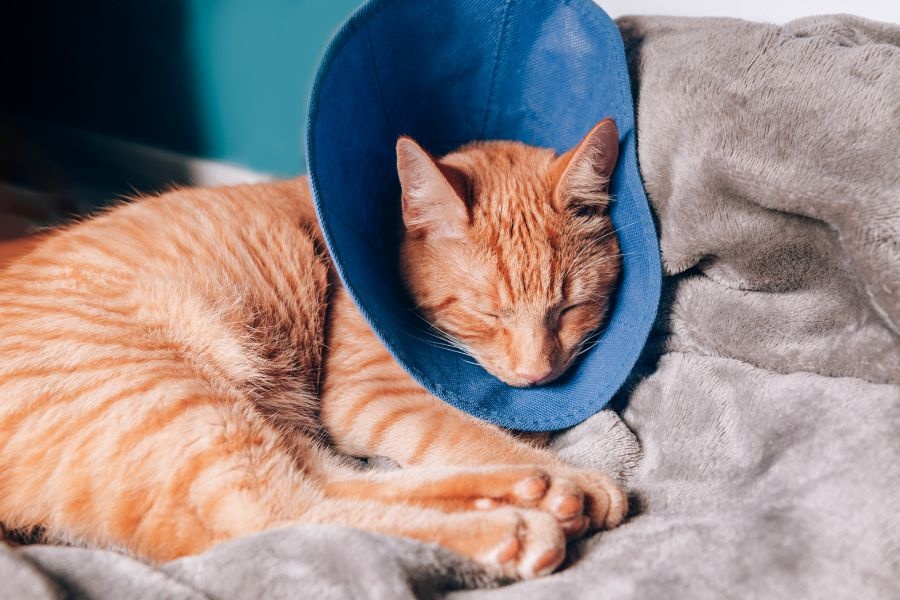
- Elizabethan collar (cone)
- Soft recovery collar
- Surgical recovery suit
While it may seem uncomfortable, preventing interference is crucial for proper healing.
Step 5 – Check the Incision Daily
Inspect the surgical site at least once a day. This is one of the most important parts of cat after surgery care.
A healthy incision should:
- Be clean and dry
- Have minimal redness
- Show no discharge or swelling
Call your vet if you notice:
- Pus or foul odor
- Excessive redness or heat
- Bleeding or opening of stitches
Early detection can prevent serious complications.
Step 6 – Limit Physical Activity
Even if your cat seems energetic, limiting movement is essential during your cat’s surgery recovery time.
Restrict activities like:
- Jumping on furniture
- Running or climbing
- Playing with other pets
Consider keeping your cat in a confined space or crate if necessary. Most cats need restricted activity for 7–14 days, depending on the procedure.
Step 7 – Maintain Proper Nutrition and Hydration
Your cat may have a reduced appetite after surgery, but nutrition plays a key role in healing.
Encourage eating by:
- Offering small, frequent meals
- Serving soft or wet food
- Ensuring fresh water is always available
If your cat refuses food for more than 24 hours, it could delay recovery and require veterinary attention.
Step 8 – Keep the Litter Box Clean and Accessible
After surgery, your cat may have difficulty moving comfortably. Make sure the litter box is easy to access.
Helpful adjustments:
- Use a low-entry litter box
- Keep it close to the resting area
- Clean it frequently to prevent infection
Good hygiene is an often-overlooked part of post-surgery cat recovery.
Step 9 – Watch for Signs of Complications
Even with proper care, complications can occur. Knowing the warning signs can help you act quickly.
Red flags include:
- Persistent vomiting or diarrhea
- Loss of appetite beyond 24–48 hours
- Swelling around the incision
- Difficulty breathing
- Sudden behavioral changes
If any of these symptoms appear, seek veterinary care immediately.
Step 10 – Attend Follow-Up Appointments
Follow-up visits are essential after veterinary surgery for a cat. Your vet will check healing progress and remove stitches if necessary.
Skipping these appointments can lead to unnoticed complications or delayed recovery.
How Long Is Cat Surgery Recovery Time?
The cat surgery recovery time varies depending on the procedure and your cat’s overall health.
Typical timelines:
- Minor procedures: 5–7 days
- Spay/neuter: 10–14 days
- Major surgeries: 2–6 weeks
Factors affecting recovery include:
- Age of the cat
- Type of surgery
- Pre-existing health conditions
- Quality of post-operative care
Patience and consistency are key during this period.
Tips for Cat Owners
If you live in Patchogue or nearby Long Island communities, seasonal factors can impact recovery.
- Winter: Keep your cat warm and indoors to avoid infection
- Summer: Ensure proper hydration and avoid overheating
- Busy households: Create a dedicated recovery room
Local veterinary clinics in Patchogue are always available for follow-up care and emergencies, so don’t hesitate to reach out if something feels off.
Conclusion
Proper care after surgery is essential for a safe and smooth recovery. By creating a calm environment, monitoring your cat closely, and following your vet’s instructions, you can significantly improve healing outcomes.
Remember, every cat heals differently, and attentive care during post-surgery cat recovery can prevent complications and speed up the process. If you have any concerns about your pet’s condition or recovery progress, don’t wait; contact your veterinarian.
Book an appointment at Paumanok Veterinary Hospital today to ensure your cat gets the expert post-surgical care they deserve.
FAQs
Q1: How do I know if my cat is healing properly after surgery?
Ans: A healthy recovery includes normal eating, minimal swelling, and a clean incision. Any discharge, redness, or unusual behavior should be checked by a vet.
Q2: Can I remove my cat’s cone after surgery?
Ans: Only remove it if your vet approves. Early removal can lead to licking, infection, and reopening of the surgical wound.
Q3: How long should I restrict my cat’s activity after surgery?
Ans: Most cats need limited activity for 10–14 days, but it depends on the procedure. Always follow your veterinarian’s specific recommendations.
Q4: What should I feed my cat after surgery?
Ans: Offer soft, easily digestible food in small portions. Ensure fresh water is available and monitor appetite closely during recovery.
Q5: When should I call the vet after my cat’s surgery?
Ans: Contact your vet if you notice vomiting, swelling, discharge, loss of appetite, or unusual behavior lasting more than 24 hours.