Pet surgery can feel overwhelming for any pet owner, but modern veterinary medicine has made procedures far safer than many people realize. From thorough pre-surgery testing to advanced monitoring and pain control, veterinarians take multiple steps to protect your pet at every stage. In this article, we’ll explain what vets do to make pet surgery safer, so you know exactly how your dog or cat is cared for before, during, and after surgery.
Why Pet Surgery Safety Is So Important
Surgery is sometimes necessary to treat injuries, remove tumors, fix dental problems, or even save a pet’s life. While any surgical procedure carries some level of risk, today’s veterinary standards are designed to minimize those risks as much as possible.
Veterinarians focus on three main goals:
- Keeping your pet stable under anesthesia
- Preventing complications during surgery
- Ensuring a smooth, comfortable recovery
For pet owners in Patchogue and surrounding communities, understanding these safety measures can bring real peace of mind.
Pre-Surgery Exams: The First Step in Safer Pet Surgery
Before any surgery, your vet performs a full physical exam. This helps identify hidden issues that could increase risk, such as heart murmurs, breathing problems, or signs of infection.
During this exam, vets check:
- Heart and lung function
- Weight and body condition
- Hydration level
- Dental health and airway structure
This step ensures your pet is healthy enough for anesthesia and helps the veterinary team plan the safest approach possible.
Pre-Anesthetic Blood Work and Testing
One of the most important ways vets make pet surgery safer is through pre-anesthetic testing. Blood work provides a clear picture of how well your pet’s organs are functioning.
Common tests include:
- Blood chemistry panels to check liver and kidney health
- Complete blood counts (CBC) to detect anemia or infection
- Additional tests for senior pets or breeds with known risks
These results allow vets to customize anesthesia drugs and dosages specifically for your pet, reducing the chance of complications.
Customized Anesthesia Plans for Each Pet
No two pets are the same, and veterinarians do not use a one-size-fits-all approach. Based on your pet’s age, breed, weight, and test results, a tailored anesthesia plan is created.
This includes:
- Selecting the safest anesthetic medications
- Adjusting doses for puppies, kittens, or senior pets
- Avoiding drugs that may stress certain organs
Customized anesthesia is a major reason why modern pet surgery is far safer than it was years ago.
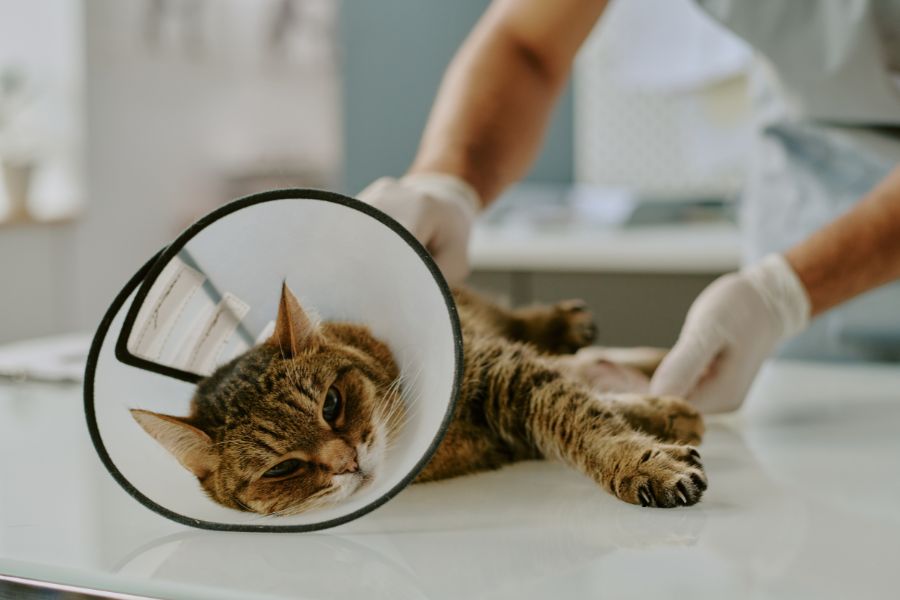
Advanced Monitoring During Surgery
While your pet is under anesthesia, a trained veterinary professional monitors them continuously. This real-time monitoring allows immediate action if something changes.
Vets closely watch:
- Heart rate and rhythm
- Oxygen levels
- Blood pressure
- Breathing rate and depth
- Body temperature
This level of monitoring is similar to what humans receive during surgery and is a key factor in keeping pets safe.
Sterile Surgical Techniques to Prevent Infection
Infection prevention is another critical part of surgical safety. Veterinary teams follow strict sterilization protocols to protect your pet.
These include:
- Sterilizing surgical instruments
- Wearing gloves, gowns, and masks
- Cleaning and prepping the surgical site thoroughly
- Maintaining a sterile operating area
By following these steps, vets greatly reduce the risk of post-surgical infections.
Pain Management Before, During, and After Surgery
Pain control isn’t just about comfort; it also helps pets heal faster and reduces stress on the body. Veterinarians use multi-layered pain management plans to keep pets comfortable.
Pain control may involve:
- Pre-surgery pain medications
- Local anesthetics during surgery
- Post-surgery pain relief tailored to the procedure
Keeping pain under control allows pets to rest, eat, and recover more smoothly.
Careful Temperature Control
Anesthesia can lower a pet’s body temperature, especially in small dogs and cats. Vets actively manage temperature throughout the procedure.
Common methods include:
- Warm blankets or heating pads
- Warmed IV fluids
- Constant temperature monitoring
Maintaining normal body temperature reduces complications and speeds up recovery.
IV Fluids for Stability and Support
Many pets receive intravenous (IV) fluids during surgery. Fluids help maintain blood pressure, support organ function, and allow quick medication delivery if needed.
IV fluids are especially important for:
- Longer surgeries
- Older pets
- Pets with kidney or liver concerns
This extra support plays a big role in overall surgical safety.
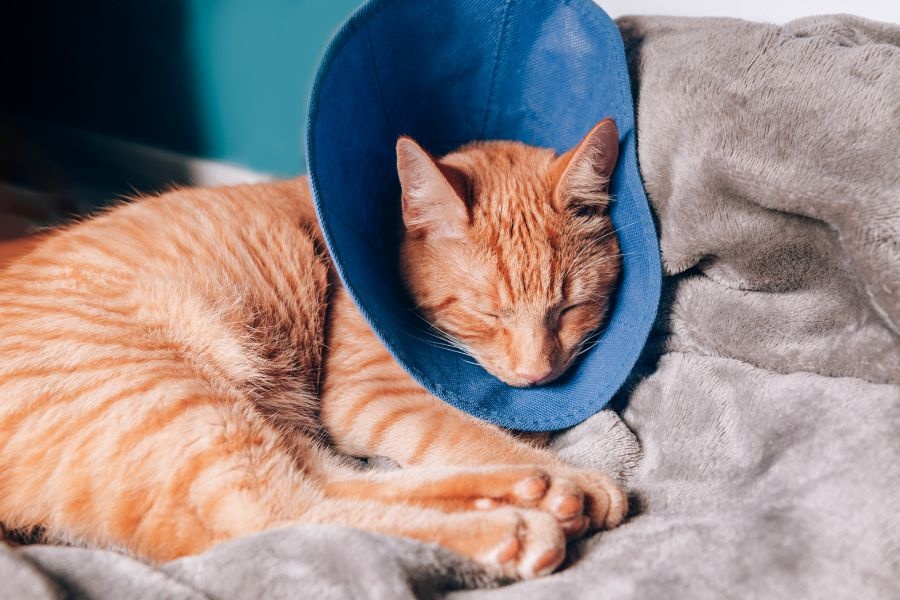
Post-Surgery Monitoring and Recovery Care
Safety doesn’t stop when surgery ends. After the procedure, pets are closely monitored as they wake up from anesthesia.
During recovery, vets check:
- Heart and breathing patterns
- Pain levels
- Incision site condition
- Body temperature
Pets are not discharged until they are stable, alert, and comfortable.
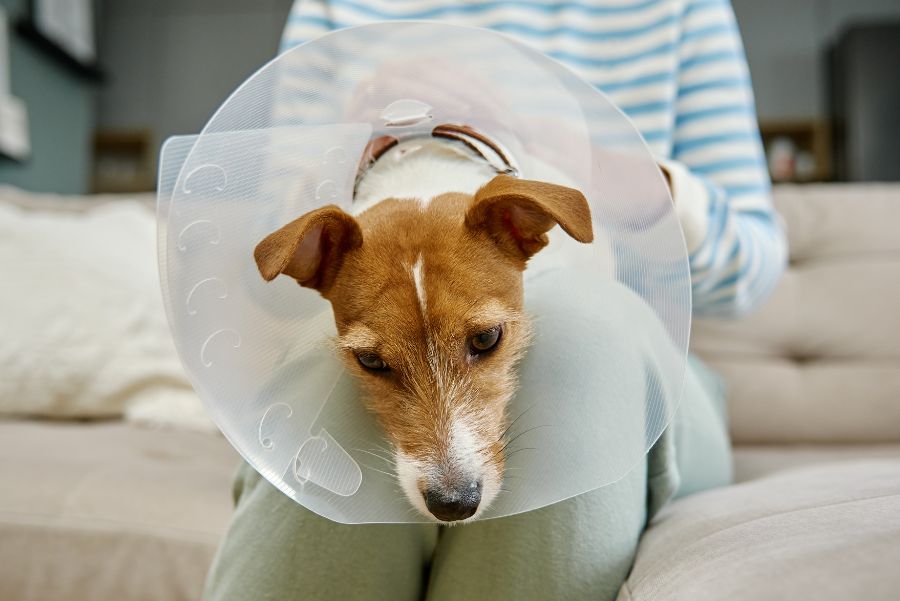
Clear Home Care Instructions for Pet Owners
Once your pet goes home, proper aftercare is essential for a safe recovery. Vets provide detailed instructions so you know exactly what to do.
These instructions usually include:
- How and when to give medications
- Activity restrictions
- Feeding guidelines
- Signs of complications to watch for
Following these directions carefully helps prevent setbacks and ensures a smooth healing process.
Extra Safety Measures for Senior or High-Risk Pets
Older pets or those with chronic conditions need additional precautions. Veterinarians often recommend extra testing or monitoring to keep these pets safe.
This may include:
- Chest X-rays or heart evaluations
- Adjusted anesthesia protocols
- Extended recovery monitoring
These steps allow even senior pets to undergo necessary surgery as safely as possible.
Local Expertise and Trusted Veterinary Care
For pet owners in Patchogue, NY, having access to a veterinary team that follows modern safety standards makes all the difference. Local hospitals understand the needs of Long Island pets—from active dogs that enjoy nearby parks to senior cats who need gentle, careful handling.
At Paumanok Veterinary Hospital, patient safety is a top priority, with comprehensive surgical protocols designed to protect pets at every stage of care.
Conclusion
Vets perform thorough exams, run critical tests, customize anesthesia, monitor pets closely, manage pain, and provide careful recovery support. These layers of protection work together to reduce risks and promote faster healing.
If your pet needs surgery or you have concerns about an upcoming procedure, schedule a consultation with your local veterinarian in Patchogue to discuss the safest options for your furry family member.
Frequently Asked Questions
Q1: Is pet surgery safe with anesthesia?
Ans: Yes, modern anesthesia combined with monitoring and testing makes pet surgery very safe for most healthy pets.
Q2: Why does my pet need blood work before surgery?
Ans: Blood tests help detect hidden health issues and allow vets to choose the safest anesthesia plan.
Q3: How long does it take for pets to recover after surgery?
Ans: Recovery time varies, but many pets start feeling better within a few days and heal fully in a few weeks.
Q4: Are senior pets at higher risk during surgery?
Ans: Senior pets can have higher risks, but extra testing and monitoring greatly improve safety.
Q5: What signs of complications should I watch for after surgery?
Ans: Watch for swelling, discharge, loss of appetite, lethargy, or signs of pain, and contact your vet if you notice anything unusual.