Pet foreign body surgery is a common but serious procedure that many pet owners may face at some point. Whether your dog swallowed a sock or your cat ingested a string, these situations can quickly become life-threatening. In this guide, we’ll break down everything you need to know about pet foreign body surgery, including signs, treatment options, recovery, and prevention tips to keep your furry friend safe.
What Is Pet Foreign Body Surgery?
Pet foreign body surgery is a procedure performed when an animal swallows something it shouldn’t—like toys, bones, socks, or household items—that gets stuck in the digestive system. These objects can cause blockages, prevent food from passing, and lead to severe complications if not treated promptly.
Pets, especially curious dogs and playful cats, are prone to chewing or swallowing non-food items. veterinarians frequently see cases involving objects like:
- Socks and clothing items
- Small toys or balls
- Corn cobs or bones
- String, yarn, or hair ties
- Rocks or sticks
When these items can’t pass naturally, surgery becomes necessary to remove the obstruction and prevent further damage.
Common Signs Your Pet May Need Surgery
Recognizing the early warning signs can make a life-saving difference. If your pet has swallowed something unusual, watch closely for symptoms.
Key Symptoms to Look For:
- Vomiting or repeated gagging
- Loss of appetite
- Lethargy or unusual tiredness
- Abdominal pain or bloating
- Constipation or difficulty passing stool
- Diarrhea
- Excessive drooling (especially in cats)
In many cases, symptoms can appear within hours, but sometimes they develop gradually over a few days. If you notice any of these signs, it’s important to seek veterinary care immediately.
How Vets Diagnose a Foreign Body
Diagnosing a foreign body requires a combination of physical exams and imaging tests. Your veterinarian will start by asking about your pet’s recent behavior, especially if they had access to unusual objects.
Diagnostic Tools Include:
- X-rays: Often the first step to identify solid objects
- Ultrasound: Helps detect soft or non-visible items
- Blood tests: Evaluate overall health and detect infection
- Physical examination: Checking for abdominal tenderness
In some emergency cases, especially when symptoms are severe, surgery may be recommended right away without extensive testing.
What Happens During Pet Foreign Body Surgery?
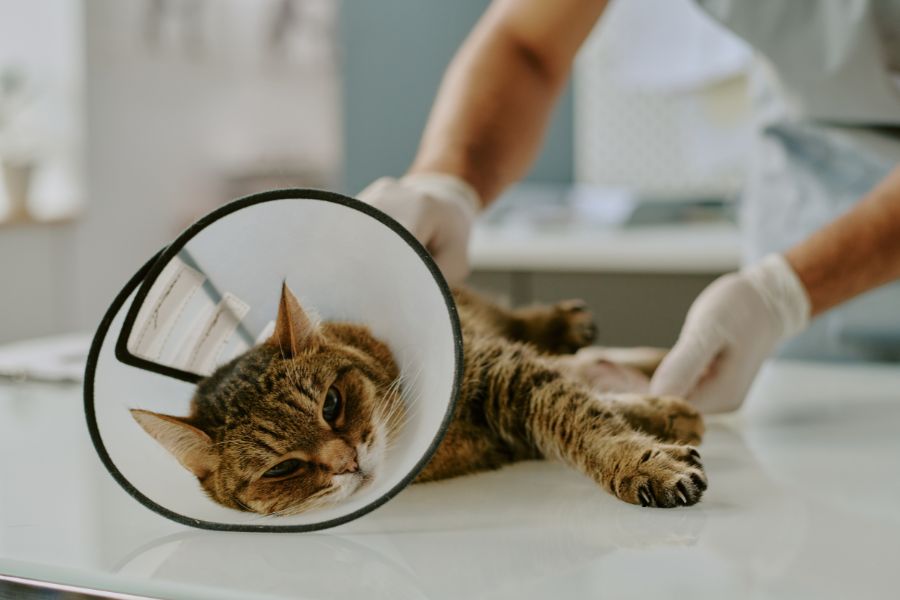
Pet foreign body surgery is typically performed under general anesthesia. The goal is to safely remove the object while minimizing damage to the digestive tract.
The Surgical Process:
- Your pet is placed under anesthesia
- The veterinarian makes an incision in the abdomen
- The blocked section of the stomach or intestines is located
- The object is carefully removed
- The incision is closed and monitored
In more serious cases, if the blockage has caused tissue damage, part of the intestine may need to be removed. This is known as a resection and anastomosis, and it requires more intensive recovery.
Recovery After Surgery: What to Expect
Recovery plays a crucial role in your pet’s healing process. Most pets stay at the clinic for 1–3 days after surgery for monitoring.
Post-Surgery Care Tips:
- Limit activity: Keep your pet calm and restrict movement
- Administer medications as prescribed (pain relief, antibiotics)
- Feed a bland, vet-recommended diet
- Monitor the incision site for redness or swelling
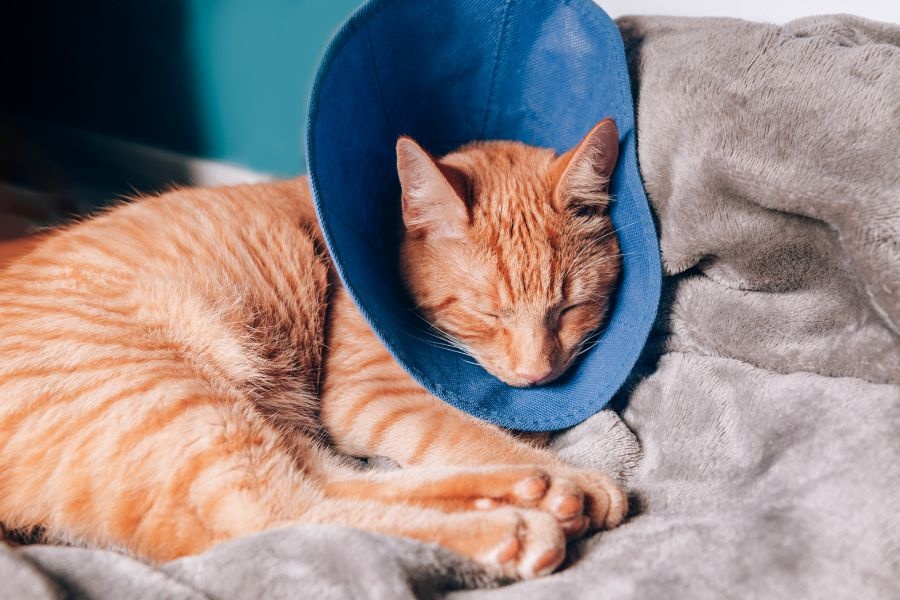
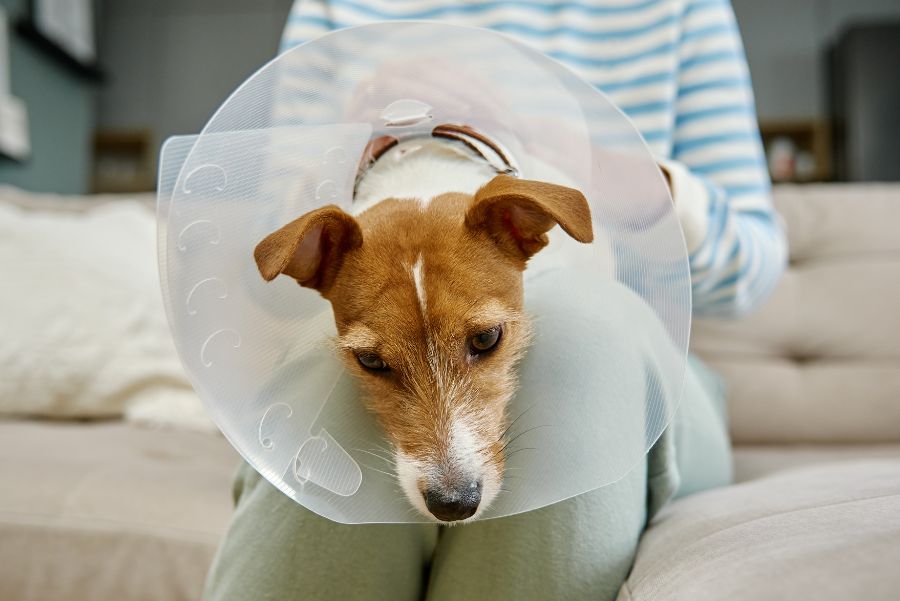
- Prevent licking with an e-collar
Most pets recover fully within 10–14 days, but follow-up visits are essential to ensure proper healing.
Local pet owners often benefit from having a trusted veterinary team nearby for follow-ups and emergency support, especially during the first week after pet surgery.
Risks and Complications to Be Aware Of
While pet foreign body surgery is generally safe, like any surgical procedure, it carries some risks.
Possible Complications:
- Infection at the surgical site
- Leakage from the intestines
- Delayed healing
- Reaction to anesthesia
Early detection and prompt treatment significantly reduce these risks. That’s why acting quickly when symptoms appear is critical.
How to Prevent Foreign Body Emergencies
Prevention is always better than treatment. Simple steps at home can greatly reduce the risk of your pet needing surgery.
Prevention Tips:
- Keep small objects out of reach
- Avoid giving bones or unsafe chew toys
- Supervise playtime, especially with new toys
- Dispose of trash securely
- Train pets to avoid chewing household items
For dog owners, especially those with puppies, teething can increase the risk of chewing and swallowing objects. Providing safe chew alternatives can make a big difference.
When to Call Your Vet Immediately
If you suspect your pet has swallowed something unusual, don’t wait for symptoms to worsen.
Seek Immediate Help If:
- Your pet is vomiting repeatedly
- There’s visible discomfort or pain
- Your pet hasn’t eaten for more than 24 hours
- You witnessed them swallowing a foreign object
Quick action can often mean the difference between a simple procedure and a life-threatening emergency.
Timely intervention and expert pet surgery care can help ensure the best possible outcome for your pet.
Conclusion
Pet foreign body surgery is a serious but often life-saving procedure that every pet owner should understand. From recognizing early symptoms to knowing what recovery looks like, being informed can help you act quickly and confidently in an emergency.
By keeping your home safe and staying attentive to your pet’s behavior, you can reduce the risk of foreign body incidents. If you ever have concerns, don’t hesitate to reach out to a trusted local veterinary clinic in Patchogue.
If your pet is showing signs of a blockage or has swallowed something unusual, schedule a wellness visit at Paumanok Veterinary Hospital today for an urgent evaluation and protect your pet’s health.
FAQs
Q1: How do I know if my pet needs foreign body surgery?
Ans: If your pet shows symptoms like vomiting, loss of appetite, or abdominal pain after swallowing something unusual, surgery may be required.
Q2: Can a foreign object pass without surgery?
Ans: Some small objects can pass naturally, but larger or sharp items often require surgical removal.
Q3: How long does pet foreign body surgery take?
Ans: Most procedures take between 1–2 hours, depending on the complexity and location of the blockage.
Q4: Is pet foreign body surgery risky?
Ans: While generally safe, risks include infection or complications, especially if treatment is delayed.
Q5: How can I prevent my pet from swallowing foreign objects?
Ans: Keep hazardous items out of reach, supervise playtime, and provide safe toys designed for pets.