Surgery day can feel overwhelming for any pet owner. Whether your dog needs a routine spay or your cat requires a more complex procedure, knowing how to prepare your pet for surgery makes a real difference in how smoothly the day unfolds. Many pet owners arrive at the clinic anxious and unsure of what they should have done beforehand. The good news is that preparation is straightforward once you know what to focus on. This guide walks you through everything: pre-surgery fasting, managing stress, what happens on the day, and how to support your pet’s recovery once they come home. When you follow your veterinarian’s instructions closely and show up prepared, you give your pet the best possible start.
What Happens During Veterinary Surgery and Why Preparation Matters
Veterinary surgery covers a wide range of procedures, from routine spays and neuters to orthopedic repairs and tumor removals. Regardless of the type of procedure, every surgery involves anesthesia, and that is where pre-surgical preparation has the greatest impact on your pet’s safety.
Anesthesia affects how a pet’s body processes food and fluid. If a pet eats before going under anesthesia, there is a real risk of aspiration, where stomach contents enter the lungs. This is a serious complication that proper fasting prevents entirely.
Beyond anesthesia safety, your vet will also want to know your pet’s current health status, weight, and any medications they are taking. Studies suggest that pre-surgical assessments, including bloodwork, can detect underlying conditions in a significant percentage of pets who appear outwardly healthy. Catching those conditions early allows your veterinary team to adjust the anesthesia protocol and reduce risk.
Preparation is not just about following rules. It is about giving your pet the safest possible surgical experience from the moment you walk in the door.
Fasting Before Pet Surgery: What You Need to Know
Fasting before pet surgery is one of the most critical steps you can take as a pet owner, and it is also one of the most commonly misunderstood.
For most adult dogs and cats, the standard recommendation is to withhold food for 8 to 12 hours before the scheduled procedure. Water is typically allowed until a few hours before surgery, though your vet will confirm the exact cutoff time for your pet.
Common signs that a pet has not been fasted properly include:
- Vomiting before or during anesthesia induction
- Delayed recovery from anesthesia
- Increased nausea and discomfort post-procedure
- Elevated aspiration risk during intubation
Always follow the specific fasting instructions your veterinarian gives you. Puppies, kittens, diabetic pets, and very small animals may require a different fasting schedule. A blanket rule does not apply to every patient. If you are unsure, call the clinic the evening before and confirm.
One thing many pet owners do not realize: a pet that eats even a small snack after midnight can result in the surgery being postponed for safety reasons. It is not worth the risk.
What to Expect on Pet Surgery Day: A Step-by-Step Look
Knowing what to expect on the day removes a lot of anxiety, both for you and your pet. Here is a straightforward walkthrough of how surgery day typically unfolds.
- Morning drop-off: You will arrive at the clinic at the time your vet schedules, typically in the morning. Bring any medical records, current medications, and your pet’s ID tags.
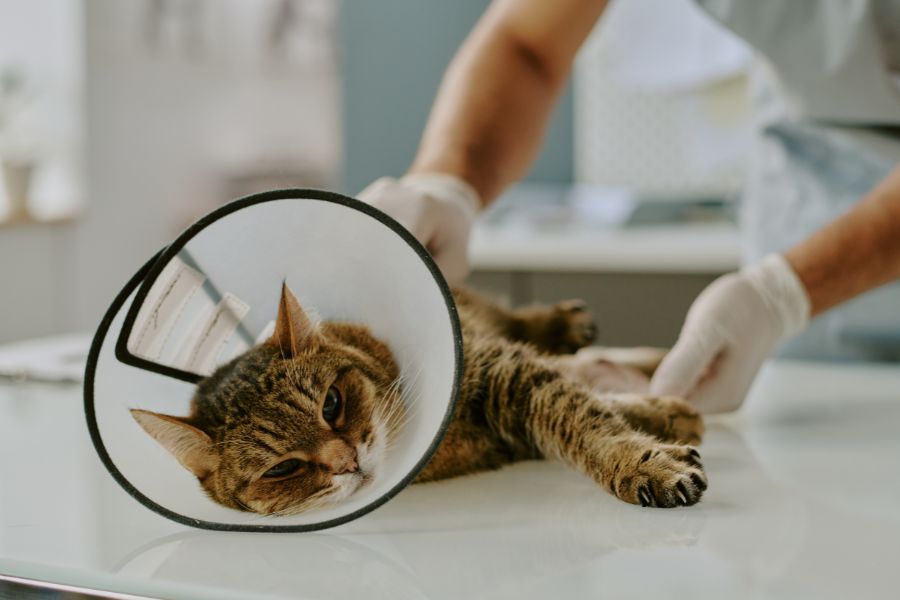
- Pre-surgical exam: A veterinary technician will take your pet’s weight, temperature, and vitals. The veterinarian will conduct a brief physical examination to confirm your pet is stable for anesthesia.
- Pre-anesthetic bloodwork: If not done at a prior visit, bloodwork may be drawn at this stage to check organ function and catch any red flags.
- IV catheter placement: An IV catheter is placed so the team can administer fluids and medications quickly and safely throughout the procedure.
- Anesthesia induction: Your pet will be sedated and then moved to the surgical suite. Monitoring equipment tracks heart rate, oxygen levels, blood pressure, and breathing throughout.
- The procedure: Depending on complexity, surgery can range from 20 minutes to several hours.
- Recovery: Your pet wakes up in a warm, quiet recovery area where staff monitor them closely as the anesthesia clears.
- Discharge: You will receive detailed at-home care instructions before taking your pet home.
In Patchogue, NY, our veterinary team walks every pet owner through these steps before the day arrives so there are no surprises.
Recognizing Signs of Pet Surgery Stress and How to Reduce It
Pre-surgical anxiety is real in pets, and signs of pet surgery stress are worth taking seriously in the days leading up to the procedure.
Watch for these behavioral signs in the days before surgery:
- Hiding or seeking excessive closeness
- Refusing food (outside of the fasting window)
- Panting, pacing, or whining without an obvious cause
- Trembling or shaking when handled
- Unusual aggression or withdrawal
We often see pets who are already showing stress behaviors before they arrive at the clinic. Those pets can take longer to settle under anesthesia and may have a rougher initial recovery.
Here is what actually helps. Maintain your pet’s normal routine in the days before surgery. Avoid making a big emotional production of the drop-off moment, as pets pick up on your anxiety. Bring a familiar blanket or item with your scent for them to lie on in recovery. Speak calmly and matter-of-factly when handling them on surgery morning. If your pet has a history of extreme anxiety around vet visits, speak with your vet in advance. There are safe, short-term options to reduce stress that will not interfere with the procedure.
Pet Surgery Aftercare Tips That Make Recovery Smoother
The work does not end when your pet comes home. What happens in the first 24 to 72 hours after surgery is just as important as what you did to prepare.
Pet surgery aftercare tips to follow closely:
- Keep your pet confined and calm. No running, jumping, or rough play. A crate or a small, quiet room is ideal.
- Monitor the incision site twice daily. Look for redness, swelling, discharge, or any sign that your pet has been licking or chewing the site.
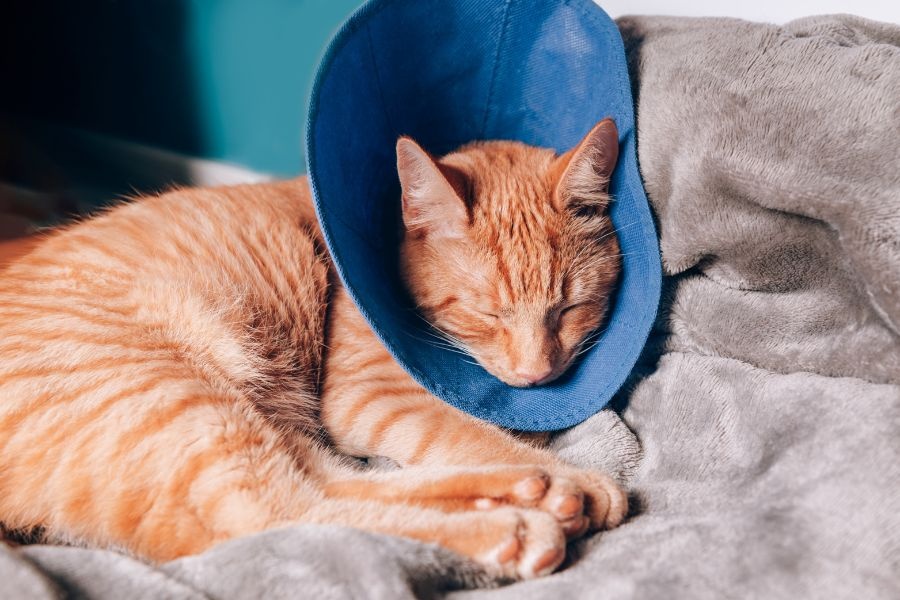
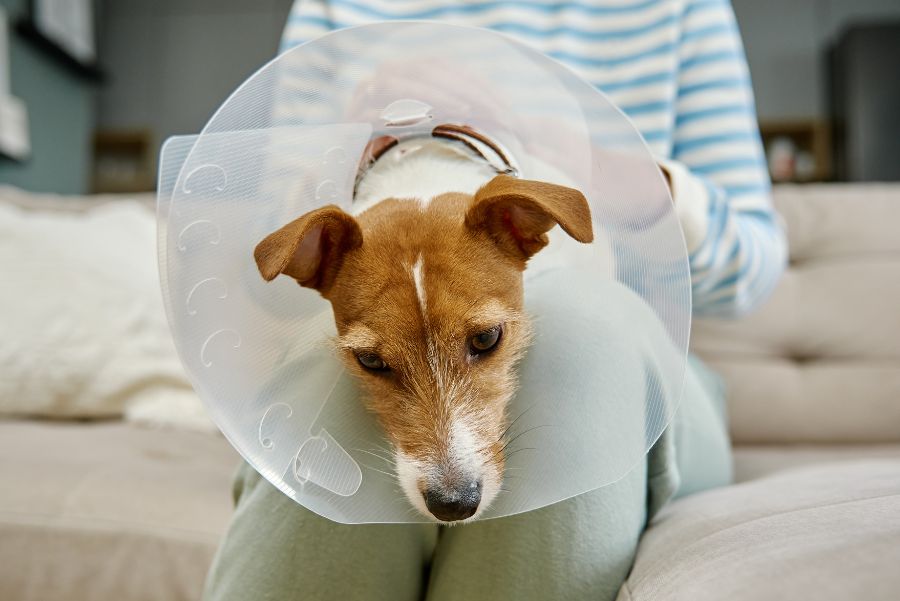
- Use the E-collar as directed. It is uncomfortable, but it prevents your pet from interfering with the incision during the critical healing window.
- Offer small amounts of water and food. Start with a small meal in the evening if your pet seems alert. Some nausea is normal after anesthesia.
- Administer medications as prescribed. Do not skip doses or stop pain medications early because your pet seems comfortable.
Pets who receive consistent post-operative care at home typically heal faster and with fewer complications. What to expect pet surgery recovery to look like in the first few days: your pet will likely sleep a lot, be less interested in food, and want quiet. That is all completely normal.
At Paumanok Veterinary Hospital, our team sends every client home with written discharge instructions so nothing is left to memory. If you have any questions during recovery, do not hesitate to call us.
Conclusion
Knowing how to prepare a pet for surgery is one of the most valuable things you can do for your animal companion. Follow your vet’s fasting instructions, stay calm on surgery day, and have your home ready for a quiet recovery. The more prepared you are, the more comfortable your pet will be at every stage of the process. From pre-surgical bloodwork to post-operative aftercare, every step matters. The team at Paumanok Veterinary Hospital is here to guide you through the process and answer every question along the way. Book an appointment today.
Frequently Asked Questions
Q: How long should my pet fast before surgery?
Ans: Most adult dogs and cats should fast for 8 to 12 hours before surgery. Water is generally permitted until a few hours beforehand. Always confirm the exact fasting window with your veterinarian, as puppies, kittens, and pets with certain health conditions may require a different schedule.
Q: Can I give my pet their regular medication on the morning of surgery?
Ans: It depends on the medication. Some medications should be given as usual with a small sip of water, while others should be held until after surgery. Contact your veterinarian the day before to confirm which medications your pet should or should not receive on surgery morning.
Q: What should I bring when I drop my pet off for surgery?
Ans: Bring any current medications your pet takes, relevant medical records if you are visiting a new clinic, and a familiar blanket or comfort item if your pet tends to be anxious. Make sure your pet is wearing an ID tag and that your contact information is current with the clinic.
Q: How will I know if my pet is in pain after surgery?
Ans: Signs of post-surgical pain include restlessness, guarding the incision site, loss of appetite, whimpering, or unwillingness to move. Your veterinarian will prescribe appropriate pain management before you leave. If you feel your pet is uncomfortable despite medication, call the clinic promptly rather than waiting.
Q: When can my pet resume normal activity after surgery?
Ans: Activity restrictions vary depending on the type of procedure. Minor soft tissue procedures may require 7 to 10 days of restricted activity, while orthopedic surgeries can involve weeks of limited movement. Follow your veterinarian’s discharge instructions and attend any recommended recheck appointments to confirm healing is on track.